The Chevrolet Corvette stands as a quintessential symbol of American automotive passion, seamlessly blending raw power with striking design. Since its debut in 1953, it has embodied values of innovation, freedom, and rebellion, capturing imaginations through its evolving performance and iconic aesthetics. Yet, is its legendary status merely mythic, fueled by marketing and cultural storytelling? This preview peels back the layers, examining how the Corvette’s impressive milestones— from fiberglass bodies to mid-engine marvels—are tempered by practical realities like maintenance costs and shifting technological landscapes. While media narratives elevate its allure, the truth reveals a nuanced picture: a vehicle rooted in genuine achievement but also shaped by myth. As rivals in Europe and the electric era challenge its dominance, the Corvette’s legacy teeters between storied legend and evolving innovation. Could it retain its mythic allure in a rapidly changing automotive world, or is the myth surpassing its measurable impact?
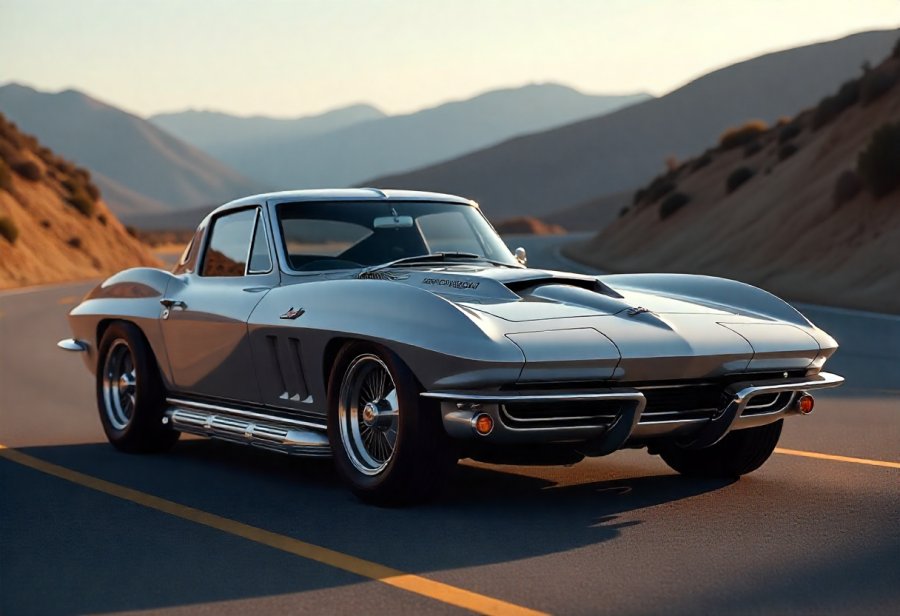
The Chevrolet Corvette: An American Icon in Motion
The Chevrolet Corvette is more than just a car; it’s an icon deeply woven into the fabric of American automotive culture. Since its debut in 1953, the Corvette has symbolized the nation’s drive for innovation, performance, and style. Its sleek, aggressive lines and powerful engines set it apart from other vehicles, quickly earning a reputation as a true American sports car. Over the decades, each new generation has built on this legacy, blending cutting-edge technology with timeless design to keep the Corvette at the forefront of automotive excitement.
What makes the Corvette truly special is its ability to embody core American values like boldness, accessibility, and a passion for speed. Unlike European rivals that often emphasize refinement or exclusivity, the Corvette leans into raw power and striking aesthetics. Its lightweight construction and innovative features have made high-performance driving more attainable for enthusiasts, turning it into a symbol of muscle car heritage—an icon that delivers exhilarating speed without sacrificing personality.
Beyond its engineering, the Corvette has become a staple in popular culture. It’s appeared in countless movies, TV shows, and music, often portrayed as a vehicle of rebellion, freedom, and individuality. This cultural presence reinforces its status not just as a car, but as a lifestyle—one rooted in adventure and self-expression. For many owners, driving a Corvette isn’t only about transportation; it’s about embodying a daring spirit that resonates far beyond the road.
Throughout its history, the Corvette has evolved alongside technological advances. From fiberglass bodies in its early days to modern mid-engine configurations, each iteration pushes the boundaries of speed, handling, and design. This ability to adapt while maintaining its distinctive identity has helped it stay relevant and desirable amid shifting trends and consumer tastes.
The Corvette’s legacy is also built on stories—memories of adrenaline, pride, and freedom. Whether it’s the iconic split-window Stingray or the sleek C8 with its fighter-jet-inspired aerodynamics, each model continues to inspire a sense of wonder. More than just a machine, it’s a symbol of American passion for speed, style, and innovation that continues to captivate new generations.
In essence, the Corvette’s significance goes beyond its performance specs. It represents a bold spirit of possibility and rebellion that has defined American muscle cars for nearly seven decades. Its enduring legacy is a testament to the power of design, engineering, and cultural storytelling—making it a true symbol of American automotive ambition.
The Corvette’s Enduring Legacy and Cultural Influence
The Chevrolet Corvette has long transcended its role as a mere high-performance vehicle to become a symbol of American automotive passion. Its bold design and impressive performance have cemented its status as an icon that embodies the ideals of freedom, rebellion, and innovation. From the early days, the Corvette’s striking looks and powerful engines helped establish a reputation that resonated deeply with enthusiasts and casual drivers alike, making it a staple in movies, music, and media that celebrate the American spirit.
What truly sets the Corvette apart is its ability to capture the core values of American automotive identity—boldness, accessibility, and raw performance. Unlike European rivals that often focus on refinement or exclusivity, the Corvette’s character is rooted in aggressive styling and exhilarating driving experience, appealing to a broad audience. Its lightweight frames and high-powered engines created a vehicle that was both thrilling to drive and attainable for many, reinforcing its status as a muscle car icon synonymous with excitement and independence.
The Corvette’s influence extends well beyond its technical specs. It helped shape the American muscle car movement of the 1960s, setting standards for performance, style, and attitude that others aspired to emulate. The iconic split-window Stingray of that era, with its sleek lines and distinctive rear, became a visual shorthand for American innovation and daring. This blend of aesthetic appeal and performance elevated the muscle car from a niche performance machine to a cultural phenomenon rooted in freedom, adventure, and self-expression.
Driving a Corvette stirs powerful emotions—its thunderous roar, its aerodynamic silhouette, and the tactile feedback from its controls foster a visceral connection. It’s more than transportation; it’s an extension of a driver’s desire for liberation and speed. Over decades, despite evolving designs and engineering, that emotional core remains intact, making the Corvette a true reflection of American passion and resilience.
Throughout its history, the Corvette has continually pushed the boundaries of automotive technology. From fiberglass bodies in its early models to the modern mid-engine layouts, each generation has contributed to its legendary status. Its ability to adapt while maintaining a distinctive identity has kept it relevant and desirable, reinforcing its role as a lasting symbol of innovation and muscle car heritage.
The cultural impact of the Corvette endures through its appearances in films, TV shows, and advertisements, reinforcing its image as a vehicle of rebellion and style. Behind the glossy exterior, however, owners often face practical realities—costly maintenance, limited cargo space, and everyday usability—that temper the mythic narrative. Recognizing these realities adds depth to its legendary status, reminding us that even icons have their limits.
In sum, the Corvette’s legacy is a complex blend of genuine achievements and compelling storytelling. Its influence as a symbol of American automotive passion remains unmatched, inspiring generations of drivers and enthusiasts. Its story continues to evolve, but at its core, the Corvette embodies a bold spirit of innovation, rebellion, and freedom—an enduring icon of American muscle car heritage.
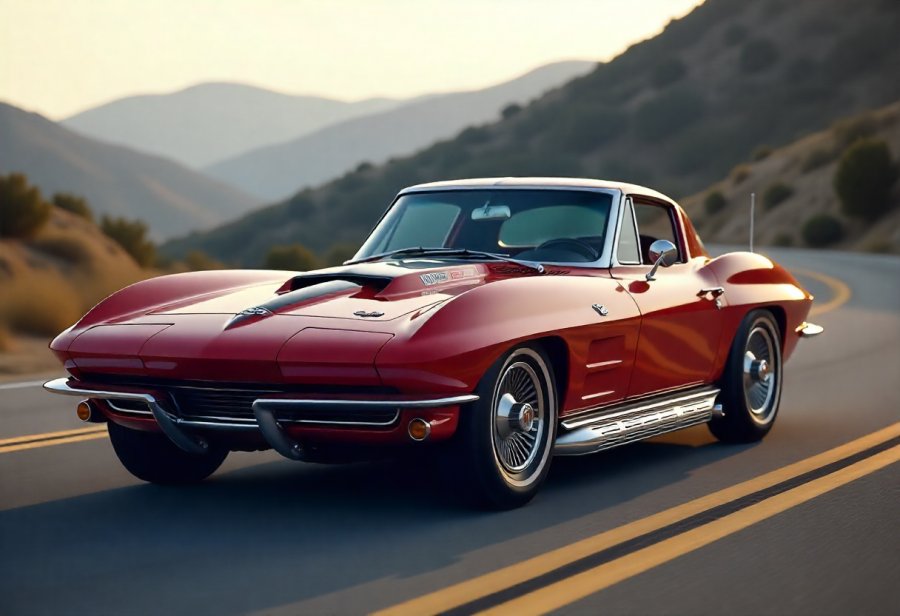
Perception Versus Reality: The Corvette Today
Today, the Chevrolet Corvette continues to hold a prominent spot in the world of automotive icons. Its sleek, modern design and impressive performance keep it firmly in the spotlight, frequently featured in movies, TV shows, and magazines celebrating American muscle and innovation. The latest C8 model, with its mid-engine layout and cutting-edge tech, highlights how far the Corvette has come, reinforcing its reputation as a speed and style benchmark. For many, it remains a symbol of freedom and excitement on the road, embodying the thrill of driving something truly special.
However, beneath the shiny exterior, some critics argue that the mythic status of the Corvette isn’t always grounded in everyday reality. While newer models boast impressive statistics, actual driving experiences sometimes reveal that rivals—especially European sports cars or emerging electric performance vehicles—can match or even surpass the Corvette in handling, comfort, and efficiency. Enthusiasts and reviews often elevate the Corvette into a near-perfect symbol of performance, but owners face practical issues like high maintenance costs and limited cargo space that temper its legendary allure.
Media and marketing play a big role in shaping the Corvette’s image. Its racing heritage, aggressive styling, and rebellious persona are heavily emphasized in advertising and pop culture, often romanticizing its capabilities. While these stories are rooted in truth, they can create an idealized perception that doesn’t always match real-world ownership. The adrenaline-fueled narratives and iconic imagery tend to overshadow the everyday realities—costly upkeep, limited practicality—that potential owners should consider. This gap between myth and reality can inflate expectations but also adds layers to its enduring appeal.
Technological advancements have kept the Corvette relevant, yet they also shift the narrative. From fiberglass bodies in its early days to today’s lightweight composites and electronic aids, each generation pushes performance forward. Still, with electric and hybrid options gaining ground, the traditional muscle car image faces new challenges. The Corvette’s reputation as an all-American, combustion-engine icon remains strong, but future models will need to balance performance with innovative tech to stay at the top of the game.
Recognizing these factors, it’s clear that the Corvette’s legendary status is a mixture of genuine achievement and storytelling. While its influence and emotional appeal are undeniable, the myths often amplify its virtues beyond what’s realistically achievable. Appreciating this balance allows us to see the Corvette not just as a symbol of American speed and style, but as a complex icon whose true worth lies in both its accomplishments and the stories that continue to fuel its myth.
Reevaluating the Myth: Tools and Perspectives for Honest Assessment
To honestly evaluate the Corvette’s legendary reputation, it’s essential to look beyond stories and marketing hype and focus on tangible data. Performance numbers like horsepower, acceleration times, and top speeds provide clear benchmarks, helping distinguish fact from fiction. While early models such as the C2 Stingray made waves with their design and power, today’s rivals—especially European sports cars and emerging electric high-performance vehicles—often match or surpass the Corvette in handling, comfort, and efficiency. Recognizing these facts keeps the conversation grounded, showing that the Corvette was revolutionary in its time but no longer holds an uncontested position at the top.
Expert insights deepen this perspective. Automotive historians highlight the Corvette’s role in technological progress, from fiberglass bodies in the early days to advanced aerodynamics. Engineers emphasize ongoing innovation—developing high-performance engines and lightweight materials—that has kept the Corvette relevant. Enthusiasts speak to the emotional thrill of driving one, which fuels its iconic status. Yet, industry insiders acknowledge that some of the mythic reputation is amplified by marketing and storytelling rather than solely by technical superiority.
Comparing the Corvette’s story with its real-world impact reveals a nuanced picture. Its appearances in movies, TV shows, and advertisements have crafted a narrative of speed and rebellion, reinforcing its image as an American icon. However, owners often face practical realities—costly maintenance, limited cargo space, and everyday usability issues—that temper the myth. These realities serve as reminders that even the most celebrated vehicles have their flaws, and understanding this balance is key to a fair assessment.
Media and marketing heavily influence perceptions. The Corvette’s branding relies on its racing heritage and aggressive styling to elevate its image. While rooted in truth, these stories sometimes create an idealized version of the car’s capabilities. Enthusiast narratives focus on adrenaline and design, often overlooking the mundane aspects of ownership. Recognizing this helps temper expectations and provides a more complete view of what owning a Corvette truly entails.
Technological progress has kept the Corvette competitive, but it also shifts the narrative. From fiberglass early bodies to today’s composites and electronic aids, each generation pushes performance forward. Still, as electric and hybrid models emerge, the traditional muscle car identity faces new challenges. Future models will need to blend raw performance with advanced tech, ensuring the Corvette’s story remains relevant without losing sight of its roots.
Applying these tools—performance data, expert insights, cultural context, and technological review—reveals that the Corvette’s legend is a mix of genuine achievement and compelling storytelling. Its influence is undeniable, yet stories often elevate its virtues beyond reality. Appreciating this balance allows us to respect the Corvette’s accomplishments while understanding that its myth is as much a product of narrative as engineering. This perspective keeps its legacy authentic and its story compelling.
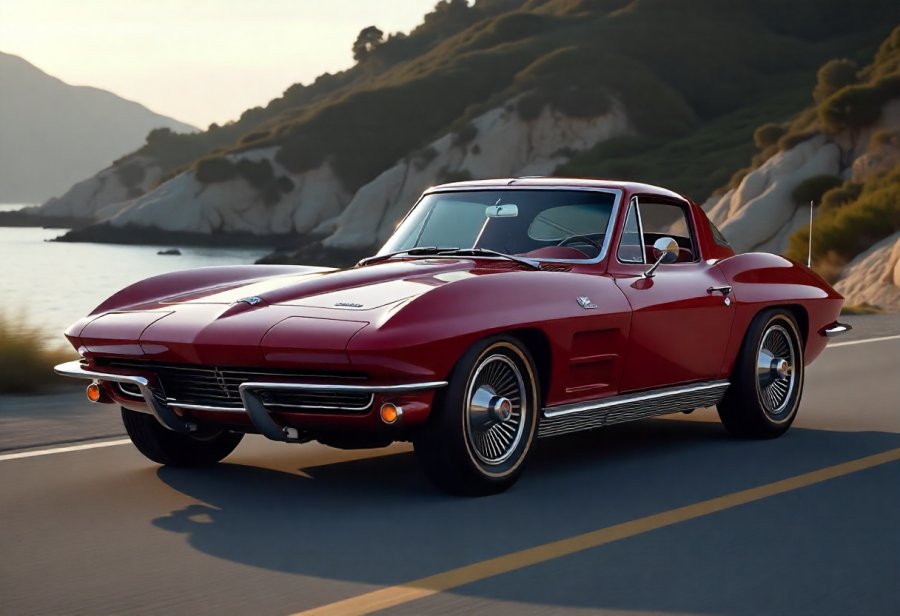
The Final Word: Balancing Achievement and Myth in the Corvette’s Legend
The story of the Chevrolet Corvette is rooted in genuine achievements that have left an undeniable mark on American automotive history. From its pioneering fiberglass bodies to continuous innovations in performance and design, the Corvette has consistently pushed boundaries and inspired generations of enthusiasts. Its reputation as a symbol of speed, style, and American ingenuity is well earned, reflected in milestones that continue to resonate today. Yet, beneath the impressive surface lies a mix of fact and storytelling—stories that have elevated the Corvette into a cultural icon but sometimes oversimplify its true capabilities.
The mythic status of the Corvette often exceeds what it can deliver in everyday driving. Media portrayals, racing victories, and stories of rebellion have helped craft an aspirational image that fuels desire. However, real-world ownership reveals practical limitations—costly maintenance, limited cargo space, and performance parity with newer rivals—that challenge the notion of an unassailable legend. Recognizing these realities doesn’t diminish its legacy but provides a more balanced perspective that respects both its achievements and its limitations.
Comparing the Corvette against modern competitors, especially in an era of electrification and advanced technology, shows a shifting landscape. Rivals in Europe and electric models now offer comparable or superior handling, comfort, and efficiency. The Corvette’s reputation as an all-American muscle car remains strong, but it’s increasingly part of a larger, more complex story. Future models will need to blend performance with innovative tech to sustain its iconic status and adapt to an evolving automotive world.
Evaluating the Corvette’s influence involves looking at performance data, cultural impact, and technological progress. While specific figures highlight impressive milestones, the emotional bond owners feel—driving the car, the roar of its engine, its distinctive style—adds a layer that data alone can’t capture. This emotional connection keeps the Corvette relevant, even as new technologies reshape the landscape. Its legacy is a mix of tangible achievements and powerful narratives that continue to reinforce its place as a true American icon.
In the end, the Corvette’s mythic reputation is a blend of truth and storytelling. Its influence is undeniable, yet stories often amplify its virtues beyond what’s realistic. Appreciating this balance allows us to see the Corvette not just as a remarkable vehicle, but as a cultural phenomenon whose true worth lies in both its accomplishments and the stories that continue to fuel its legend. Its legacy will endure, grounded in reality yet elevated by the passion and imagination it inspires.