Cleopatra VII is often remembered for her beauty and romantic liaisons, yet her true legacy lies in her extraordinary intellect, strategic diplomacy, and resilience. Could a ruler’s true power be rooted in their mind rather than their allure? This compelling portrait reveals her as a masterful diplomat fluent in multiple languages, who skillfully navigated Egypt’s perilous political landscape through alliances, treaties, and cultural literacy. Her leadership wasn’t just about personal relationships; it was a calculated effort to preserve her kingdom’s independence amid expanding empires like Rome. Cleopatra’s ability to adapt swiftly, respond with patience, and influence perceptions through symbolism and timing exemplifies timeless leadership qualities. Her story challenges stereotypes of women in power, highlighting that influence derives from insight, resilience, and strategic patience. What lessons does her reign offer modern leaders striving to leave an enduring legacy based not on force, but on wisdom, understanding, and adaptability?
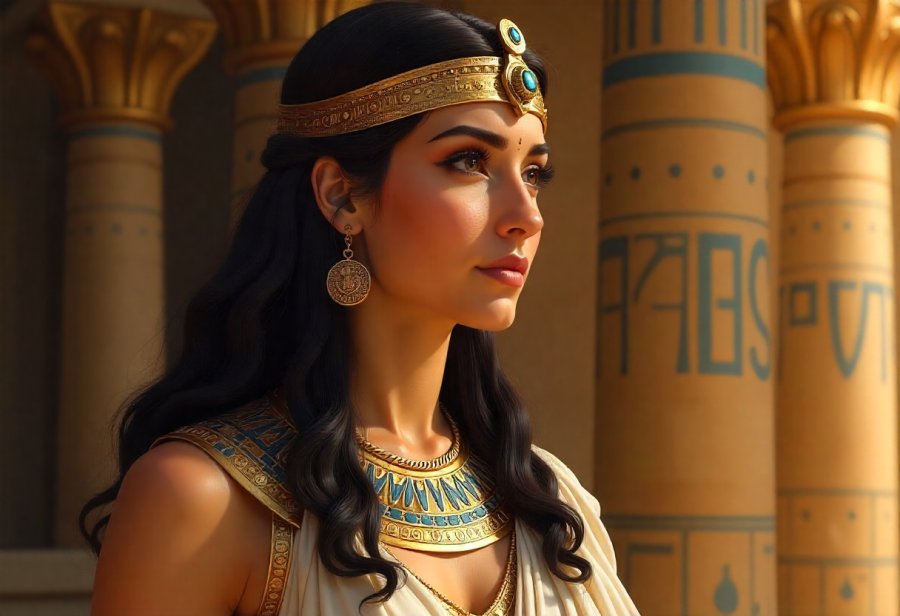
Unveiling Cleopatra: More Than a Beauty, a Strategist and Scholar
Cleopatra VII is often remembered for her beauty and her romantic liaisons with powerful Roman figures, but her true legacy runs much deeper. She was a highly intelligent and strategic ruler who skillfully navigated a complex political landscape to protect Egypt’s independence. Her reign was marked not just by personal relationships, but by sharp diplomacy, cultural literacy, and resilience. Cleopatra’s mastery of languages, sciences, and governance made her a formidable leader, challenging the stereotype of her as merely a seductress.
As the last ruler of the Ptolemaic dynasty, Cleopatra inherited a kingdom rich in history yet under constant threat from expanding empires, especially Rome. Her ability to adapt and negotiate through alliances, marriages, and treaties demonstrated her keen strategic mind. She understood the importance of perception and timing, using her diplomatic skills to maintain her throne amid internal rivalries and external pressures. Her relationships with Julius Caesar and Mark Antony weren’t just personal—they were carefully calculated moves to safeguard Egypt’s sovereignty.
Recent scholarship highlights her intellectual prowess, revealing that Cleopatra was fluent in multiple languages and deeply engaged in scholarly pursuits. Her cultural literacy enabled her to communicate directly with diverse allies and enemies, giving her a distinct advantage in negotiations. This combination of education, political acumen, and resilience made her a leader who wielded her intelligence as her most powerful tool—qualities that continue to inspire and inform modern leadership.
Moving beyond the romanticized tales, Cleopatra’s story reveals a woman whose strategic thinking and diplomatic finesse defined her reign. Her legacy is rooted in her ability to combine knowledge with resilience, demonstrating that true power often lies in the mind. Exploring her life offers valuable lessons on adaptability, cultural understanding, and patience—traits that remain relevant in today’s complex political landscape.
Egypt at a Crossroads: The Political and Cultural Landscape of Cleopatra’s Reign
Cleopatra’s Egypt stood at a crossroads of history, blending ancient Egyptian traditions with the vibrant influence of Hellenistic culture. As the last of the Ptolemaic rulers, she inherited a kingdom that was both a cradle of civilization and a strategic hub connecting Africa, Asia, and the Mediterranean. This position made Egypt a prime target for expanding empires, especially Rome, which sought to extend its influence into the region. Navigating this complex landscape required sharp diplomacy and a deep understanding of regional power dynamics.
Her reign was marked by constant internal rivalries and external threats. Cleopatra faced factions within her court eager to challenge her authority, while external powers, notably Rome, sought to dominate her land. She responded with swift, calculated actions—forming alliances, forging marriages, and negotiating treaties—all aimed at preserving Egypt’s independence. These moves weren’t just personal gambits; they were strategic efforts to strengthen her position amid turbulent times.
Culturally, Alexandria was a beacon of learning and scholarship. Its legendary Library and Museum attracted scholars, scientists, and philosophers from across the Mediterranean, making the city a hub of intellectual activity. Cleopatra’s engagement with this scholarly environment reflected her own curiosity and her recognition of knowledge as a vital tool of leadership. She cultivated a reputation for cultural literacy, which helped her communicate effectively and negotiate from a position of strength.
Egypt’s geographical importance made it a coveted prize for Rome’s expansion. Cleopatra skillfully balanced her kingdom’s sovereignty by leveraging diplomacy and cultural ties. Her ability to read the shifting power landscape, respond adaptively, and build strategic alliances kept her in power longer than many expected, demonstrating her mastery of both political and cultural intelligence.
A Queen’s Mind: Exploring Cleopatra’s Intellectual and Linguistic Mastery
Cleopatra’s reputation as a scholar-queen is well-earned and central to her leadership style. She was fluent in multiple languages, including Egyptian, Greek, and Latin, which allowed her to communicate directly with a diverse range of allies and rivals. This linguistic mastery was not just a practical skill; it was a strategic tool that enhanced her diplomatic finesse and cultural literacy. Being able to speak the language of her enemies and allies alike gave her a distinct advantage in negotiations and alliance-building, enabling her to project strength through intelligence rather than force.
Her engagement with sciences, philosophy, and literature went beyond mere curiosity. Cleopatra immersed herself in Alexandria’s legendary Library and Museum—centers of learning that attracted scholars from across the Mediterranean. Her participation in this intellectual environment reflected her recognition of knowledge as a vital asset of governance. She understood that scientific and philosophical ideas could inform her decisions and give her diplomatic leverage, allowing her to craft policies grounded in wisdom and cultural insight.
Cleopatra’s cultural literacy extended into her political strategies. She studied political texts, philosophical doctrines, and scientific theories to interpret motives and craft nuanced approaches. Her broad understanding of ideas from various fields enabled her to communicate effectively across cultures and avoid missteps that could jeopardize her reign. Her leadership was rooted in her ability to adapt ideas from different disciplines, turning intellectual pursuits into practical tools of statecraft.
Surrounding herself with scholars and scientists, Cleopatra fostered an environment where ideas flourished. Her critical thinking and swift adaptation were supported by her broad knowledge base, making her a leader who wielded her intellect as her most formidable weapon. This fusion of learning and strategic insight helped her navigate turbulent political waters with resilience and confidence, reinforcing her reputation as a ruler whose true power lay in her mind.
Her dedication to learning also served to project an image of sophistication and strength. Cleopatra understood that intellectual authority could complement and even surpass traditional notions of power. By demonstrating mastery of sciences, languages, and the arts, she commanded respect from her subjects and enemies alike. Her scholarly pursuits were not separate from her political life—they were intertwined, reinforcing her image as a ruler whose influence was rooted in her vast knowledge and cultural literacy.
This emphasis on intellectual mastery offers a lasting lesson in leadership. Cleopatra’s example shows that influence depends on understanding complex ideas, mastering languages, and engaging with diverse cultures. Her ability to communicate across boundaries and leverage knowledge as a diplomatic asset underscores the importance of continuous learning and curiosity. Her legacy reminds us that true leadership often resides in the mind, shaping perceptions and forging alliances through insight and wisdom.
In the end, Cleopatra’s scholarly pursuits helped forge a legacy rooted in intelligence and resilience. Her mastery of multiple disciplines and her engagement with the scholarly community made her a leader who wielded her intellect as her most powerful resource. Her example continues to inspire those who see knowledge as the foundation of influence, demonstrating that the strongest leaders are often those who lead with their minds as much as their hearts.
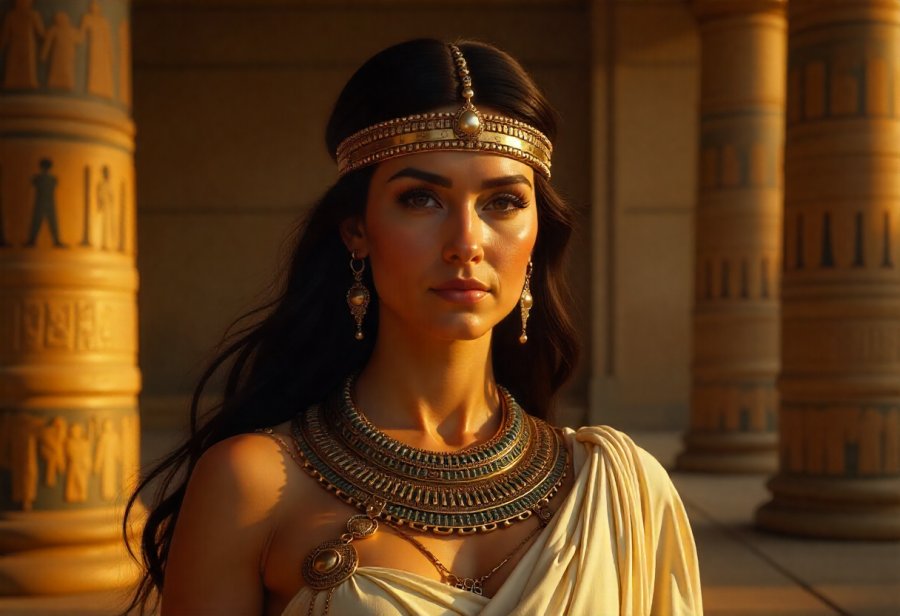
Master of Influence: Cleopatra’s Diplomatic Genius and Political Acumen
Cleopatra’s diplomatic skills were the backbone of her ability to preserve Egypt’s independence amid a shifting and often hostile regional landscape. She was a master negotiator, skillfully using marriages, treaties, and subtle political maneuvers to forge alliances that protected her kingdom’s strategic interests. Her relationship with Julius Caesar was more than a romantic story; it was a calculated move that helped her reclaim her throne and stabilize her rule. Cleopatra understood the importance of timing and perception, shaping her image to maximize influence and project strength when it mattered most.
Her alliance with Mark Antony further showcased her diplomatic finesse. Rather than relying solely on military might, she used cultural symbolism, personal rapport, and the art of political optics to solidify her position. Cleopatra was quick to read shifting power dynamics, turning potential threats into opportunities for survival. Her ability to respond swiftly to enemies’ moves kept her steps ahead in a complex web of regional diplomacy, often transforming crises into strategic wins.
Beyond personal relationships, her linguistic prowess and cultural literacy allowed her to communicate directly with diverse powers, building trust and avoiding misunderstandings. Cleopatra’s mastery of perception—through symbolism, gestures, and well-timed actions—helped her project an image of strength even when her position was vulnerable. This nuanced approach to influence wasn’t just about power; it was about shaping how others saw her, fostering respect and loyalty.
Throughout her reign, Cleopatra balanced internal stability with external diplomacy, managing court factions while deftly navigating external threats. Her resilience and strategic foresight turned mounting pressures into opportunities, prolonging her rule longer than many expected. Her leadership demonstrated that influence depends as much on perception and patience as on raw force, making her a master of the subtle arts of diplomacy.
Her story offers a timeless lesson: effective leadership hinges on understanding complex social and political currents. Cleopatra’s ability to craft nuanced strategies, leverage cultural literacy, and exercise patience created a legacy rooted in influence built on insight rather than domination. Her diplomatic finesse remains a powerful example of how perception, timing, and strategic engagement can shape history—and inspire future leaders to lead with intelligence, resilience, and grace.
Lessons from a Legend: Leadership and Resilience in Cleopatra’s Legacy
Cleopatra’s leadership offers timeless lessons that remain highly relevant today, especially for those navigating complex political and strategic environments. Her ability to adapt swiftly to changing circumstances—whether shifting alliances, external threats, or internal dissent—highlights the importance of flexibility. Leaders who stay attuned to their environment, make quick adjustments, and focus on long-term goals tend to build stronger influence and resilience.
Resilience stands out as one of Cleopatra’s most defining traits. Despite betrayals, invasions, and internal rivalries, she maintained her composure and kept pushing forward. Her calm confidence in turbulent times shows that resilience is not just endurance but also the capacity to learn from setbacks and emerge stronger. Modern decision-makers can draw from her example, understanding that setbacks are inevitable but how they respond shapes their influence and legacy.
Another key lesson is the power of perception. Cleopatra understood that influence often hinges on how others see you. She carefully crafted her image through symbolism, timing, and strategic gestures, shaping trust and respect even when her position was vulnerable. Mastering these subtle arts of influence can help today’s leaders project authority without force, fostering loyalty through perception and emotional intelligence.
Her mastery of knowledge and cultural literacy also offers valuable insight. Being fluent in multiple languages and deeply engaged with scholarly communities allowed her to communicate across cultures and build alliances rooted in mutual understanding. Leaders who prioritize continuous learning and cultural awareness can better navigate diverse environments, forging stronger partnerships and avoiding misunderstandings.
Ultimately, Cleopatra exemplifies that true leadership combines wisdom, patience, and strategic insight. Her ability to build alliances based on shared interests and mutual benefit demonstrates that influence rooted in understanding and trust endures longer than shortcuts or coercion. Embracing these qualities can help modern leaders foster sustainable impact and inspire lasting respect.
Her legacy encourages us to see leadership as a continuous journey of learning, adaptation, and resilience. Influence built on insight, cultural awareness, and strategic patience remains powerful across ages. Cleopatra’s story reminds current and future leaders that leading with intellect and resilience can leave a legacy far beyond immediate gains, shaping a more enduring and meaningful impact.
Women Who Changed History: Cleopatra’s Impact as a Female Power Player
Women in power have often faced unique challenges, yet many have left lasting marks through their intelligence, resilience, and strategic vision. Cleopatra VII stands out among these figures as a leader who combined sharp political acumen with cultural literacy, breaking the stereotypes that have long marginalized female rulers. Her reign proved that influence isn’t confined by gender but rooted in wisdom and adaptability.
Navigating a male-dominated political landscape, Cleopatra relied on her intelligence, language skills, and strategic alliances rather than just royal authority. Her relationships with Julius Caesar and Mark Antony weren’t merely personal; they were calculated moves to secure Egypt’s independence and stability. Her ability to craft alliances through diplomacy and diplomacy alone set her apart from many of her contemporaries.
Throughout history, female leaders have often been underestimated or dismissed, but Cleopatra demonstrated that leadership depends on insight and resilience. She challenged prevailing stereotypes, showing that influence comes from cultural literacy, political savvy, and strategic patience. Her story continues to inspire, emphasizing that leadership qualities like adaptability and knowledge are universal.
Cleopatra joins a lineage of remarkable queens—Hatshepsut, Elizabeth I, Catherine the Great—each of whom reshaped history by embracing innovation and strength. Her unique blend of Egyptian tradition and Hellenistic influence made her a pioneering figure, demonstrating that effective leadership often involves cultural adaptation and bold vision.
Her legacy underscores that women’s influence in history is profound when guided by intellect and resilience. Cleopatra’s ability to command respect in a world that often marginalized female authority highlights that strategic thinking and wisdom are powerful tools, regardless of gender. Her example continues to inspire future generations to lead with insight and confidence.
Breaking through gender barriers, Cleopatra showed that influence relies on understanding complex environments and exercising patience. Her mastery of perception, symbolism, and timing allowed her to project strength and forge loyalty without relying solely on force. This nuanced approach to leadership remains relevant today.
Her story reminds us that true leadership combines wisdom, cultural literacy, and strategic insight. Cleopatra’s ability to build alliances rooted in mutual understanding and shared interests proves that sustainable influence depends on trust and knowledge. Her legacy encourages leaders to embrace learning, resilience, and adaptability as the keys to lasting impact.
In the broader view, Cleopatra’s leadership challenges outdated notions about women in power. She exemplifies how intelligence, resilience, and strategic patience can redefine what it means to lead. Her influence persists as a testament to the fact that leadership rooted in mind and character can reshape history, inspiring a future where gender is no barrier to greatness.
Modern Leadership Lessons from Cleopatra’s Intellectual and Strategic Power
Cleopatra’s ability to adapt swiftly to changing political landscapes offers valuable lessons for today’s leaders. Her focus on flexibility—shifting tactics in response to new alliances or threats—remains a cornerstone of effective governance. Instead of rigidly sticking to one plan, she carefully read her environment and made strategic adjustments that kept her steps ahead of rivals. Modern leaders can learn to prioritize agility, remaining open to innovative approaches when circumstances shift unexpectedly.
Resilience was central to Cleopatra’s leadership style. Facing betrayals, invasions, and internal dissent, she maintained her composure and stayed committed to her long-term vision. Her calm confidence under pressure shows that resilience isn’t just about endurance but about turning setbacks into opportunities for growth. Leaders today can draw inspiration from her ability to remain steady and learn from adversity, recognizing that how they respond defines their influence and legacy.
Cultural literacy played a crucial role in her strategic toolkit. Cleopatra’s mastery of multiple languages and her deep engagement with Alexandria’s scholarly community enabled her to communicate effectively across diverse cultures. Cultivating cultural awareness and continuous learning helps modern leaders build trust and foster collaboration in an interconnected world. Understanding different customs and ideas broadens influence and prevents misunderstandings that can derail progress.
Timing and perception also underpinned her success. Cleopatra knew when to push forward and when to hold back, using symbolism and well-timed gestures to shape how others saw her strength. Mastering these subtle arts of influence can help leaders project authority without overt force, creating loyalty and respect through perception. Her approach reminds us that influence often depends on how you are perceived, not just what you can physically command.
Her example shows that true leadership combines wisdom, patience, and strategic insight. By building alliances based on shared interests and mutual respect, Cleopatra demonstrated that influence rooted in understanding and trust endures longer than shortcuts or coercion. Embracing these qualities allows modern leaders to foster sustainable impact, inspiring loyalty and admiration that stand the test of time.
Looking ahead, Cleopatra’s legacy encourages leaders to see influence as a continuous journey of learning and adaptation. In a world marked by constant change, flexibility, resilience, and cultural literacy remain vital. Her story reminds us that leading with intellect and resilience can create a legacy far beyond immediate gains—shaping a better, more connected future through strategic insight and unwavering resolve.
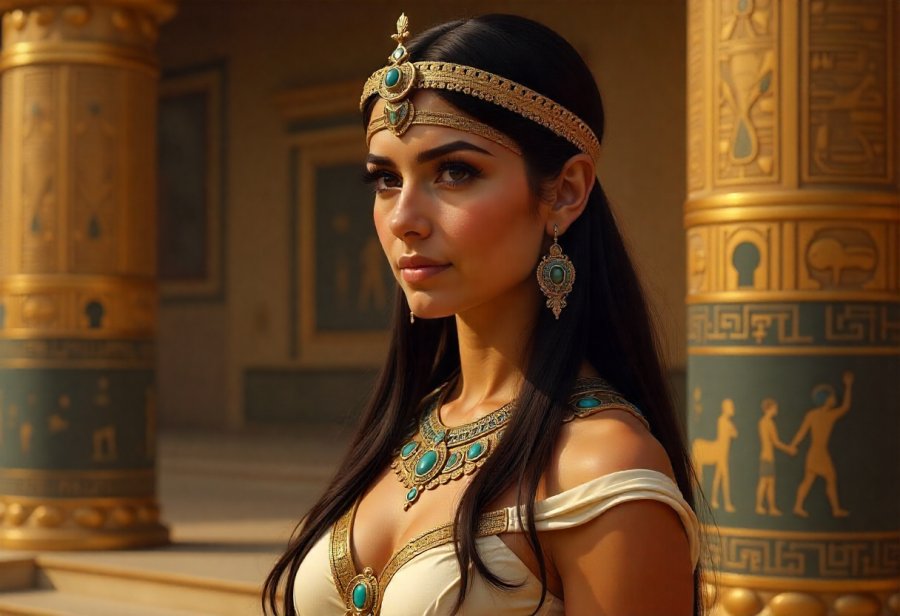
Enduring Influence: Reflecting on Cleopatra’s Lessons for Future Leaders
Cleopatra’s influence endures because her leadership was rooted in qualities that remain vital today: intelligence, resilience, and strategic thinking. Her ability to adapt quickly to shifting political and cultural landscapes shows that flexibility is essential for long-term success. Leaders who can read their environment, adjust their tactics, and remain patient in the face of setbacks tend to build stronger, more sustainable influence. Cleopatra’s mastery of diplomacy and perception underscores the importance of strategic communication—shaping how others view you can often be more powerful than sheer force.
Her legacy also highlights the lasting value of cultural literacy. Cleopatra’s fluency in multiple languages and her deep understanding of different customs allowed her to forge genuine alliances and disarm potential adversaries. Today, cultivating cultural awareness and continuous learning can open doors and foster trust across diverse environments. These qualities enable leaders to navigate complex global challenges with finesse and to build relationships based on mutual understanding rather than coercion.
Another key lesson from Cleopatra is that influence relies on timing and perception. She understood when to act boldly and when to hold back, using symbolism and strategic gestures to reinforce her authority. Modern leaders who master these subtle arts of influence can better shape how others perceive them, creating a sense of strength and stability without relying solely on authority or coercion. This approach can foster loyalty and respect that endure beyond immediate crises.
Cleopatra’s story reminds us that true leadership isn’t just about wielding power—it’s about exercising wisdom, patience, and insight. Her ability to build alliances rooted in shared knowledge and mutual benefit demonstrates that sustainable influence depends on understanding complex dynamics and acting with purpose. These timeless lessons continue to resonate, showing that leadership rooted in mind and resilience can leave a legacy that endures far beyond the immediate moment.
Looking ahead, her example encourages future leaders to embrace a broader view of influence—one that values intellect, cultural literacy, and strategic patience. In an increasingly interconnected world, these qualities will be crucial for navigating uncertainty, fostering meaningful alliances, and maintaining stability. Cleopatra’s legacy is a reminder that influence built on wisdom and resilience is not only enduring but also essential for shaping a better future.