Learning to drive marks a pivotal milestone for teenagers, symbolizing independence yet often accompanied by intense nerves and self-doubt. Behind the wheel, feelings of empowerment clash with fear of mistakes, creating an emotional rollercoaster that can hinder progress. As teens grapple with anxiety—triggered by unfamiliar roads, traffic, and the weight of responsibility—they need patience, reassurance, and practical strategies like gradual exposure, positive reinforcement, and calming techniques. These experiences foster not just driving skills but emotional resilience, self-awareness, and maturity. Can navigating the complexities of the road truly ease their internal struggles? The future of driver education promises technological innovations and emotional support that help young drivers transform nerves into confidence. By combining gradual learning, supportive environments, and evolving tools, teens can develop the independence they crave—on and off the road—building lifelong skills rooted in patience, perseverance, and self-trust.

Navigating the Emotional Road to Independence
Learning to drive is a major milestone for teenagers, marking their first step toward independence and adulthood. But behind the excitement, there’s often a swirl of complex emotions—nerves, self-doubt, and fear—that can feel overwhelming. It’s normal for teens to feel excited about gaining freedom, yet simultaneously anxious about handling a vehicle in unfamiliar situations. These internal struggles aren’t just about learning the mechanics; they’re about managing vulnerability and uncertainty as they face new challenges on the road.
Many teens find themselves caught between pride and apprehension. Sitting behind the wheel can evoke feelings of empowerment, but it can also trigger worry about making mistakes or causing harm. This emotional tug-of-war can slow progress, especially when faced with busy intersections or complex traffic rules. The internal dialogue often becomes a cycle of second-guessing and hesitation, which can dampen confidence just when they need it most.
It’s important to recognize that these feelings are a natural part of the learning process. As teens navigate their first drives, they confront fears about losing control or disappointing their parents. These worries can add to their stress, making it harder to focus and absorb new skills. Yet, understanding that everyone experiences some level of doubt can normalize their emotions, helping them see setbacks as part of growth rather than signs of failure.
Supporting teens through this emotional maze requires patience and reassurance. Encouraging small victories—like mastering a turn or parking spot—can build their confidence gradually. Creating a safe, low-pressure environment for practice, whether in quiet neighborhoods or during calm times of day, helps ease anxiety. Over time, these positive experiences nurture resilience, transforming nervousness into a sense of capability.
Ultimately, learning to drive isn’t just about controlling a car; it’s a journey of emotional development. Each challenge and success on the road helps teens build self-awareness, patience, and independence. Recognizing and supporting these inner struggles can turn the driving experience into a powerful stepping stone toward confidence and maturity, setting the foundation for a resilient, responsible approach to life beyond the driver’s seat.
Understanding and Overcoming Nervousness in Teen Drivers
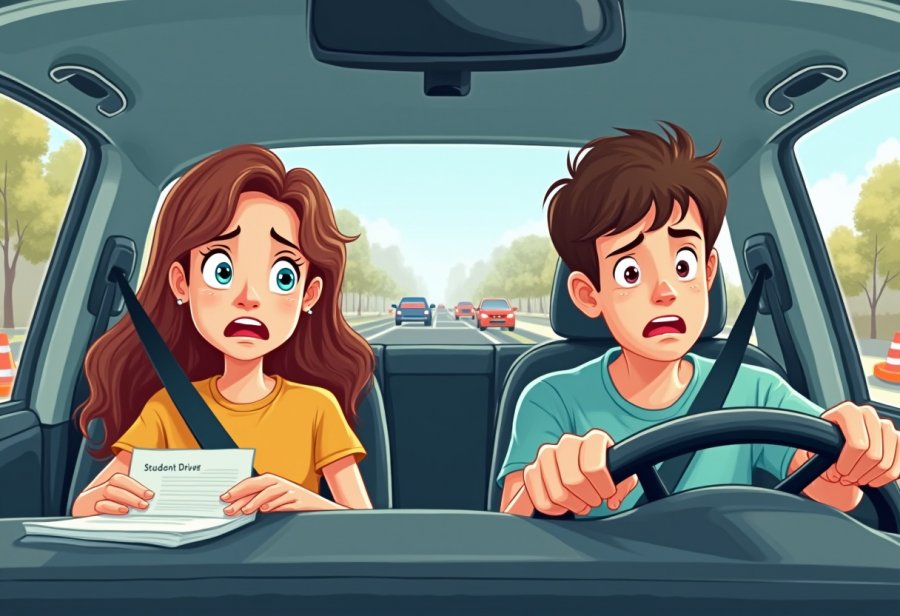
Nervousness and anxiety are almost unavoidable for teen drivers, especially during those first few lessons. When they sit behind the wheel for the first time or face more complex situations, feelings of overwhelm often take hold. The unfamiliarity of the car, the rules of the road, and the weight of responsibility can trigger physical signs like sweating, trembling, or a racing heartbeat, along with mental signs such as intrusive thoughts or self-doubt. It’s common for teens to worry about messing up, causing an accident, or just not being good enough, which only feeds hesitation and second-guessing.
This anxiety doesn’t come out of nowhere. It’s rooted in a fear of the unknown—fear of traffic, mistakes, or losing control. For many teens, the idea of handling a multi-ton vehicle adds an extra layer of stress that extends beyond just learning the mechanics. They often fear failure more than the actual task, creating a cycle where nervousness intensifies, making it harder to focus and absorb new skills. Recognizing these reactions as normal can help teens see that their feelings are shared by many and don’t mean they’re doomed to fail.
Helping teens cope starts with identifying these signs early. When they notice trembling hands or racing thoughts, simple techniques like deep breathing can make a big difference. Taking slow, deliberate breaths can calm the physical response and help them regain focus. Visualizing a successful drive before starting can also boost confidence and reduce anxiety. These small strategies turn nervous energy into a tool for concentration instead of a barrier, encouraging a more present and calm mindset.
Building confidence takes time and patience. Setting small, achievable goals—like making a smooth stop or navigating a quiet street—gives teens tangible wins. Celebrating these moments, no matter how minor, fosters a sense of progress and encourages continued effort. When teens feel supported and not judged, they’re more likely to see mistakes as natural steps in learning rather than failures, which helps them stay motivated and resilient.
The environment plays a significant role in easing nerves. Practicing in calm, familiar settings like residential neighborhoods helps reduce stress. As they gain experience, gradually exposing them to busier roads or more challenging scenarios builds their confidence without overwhelming them. This step-by-step approach allows nerves to transform into assurance, making the road less intimidating and more manageable.
For some teens, persistent or intense anxiety might require additional support. If anxiety starts to interfere with their ability to focus or enjoy driving, professional guidance can be a valuable resource. Understanding that these feelings are common and manageable can make a big difference. With patience, practical strategies, and support, teens can learn to turn their anxiety into focus—building not just driving skills, but emotional resilience that benefits all areas of life.

Fostering Emotional Resilience Through Driving Challenges
Learning to drive is more than just mastering the mechanics of operating a vehicle; it’s a journey that deeply supports a teen’s emotional growth. Every successful maneuver, whether it’s merging onto a highway or parking in a tight spot, acts as a confidence booster. These small wins prove that challenges can be overcome, helping teens build resilience and mental toughness. Facing unpredictable situations, like navigating busy intersections or adjusting to sudden weather changes, teaches them to stay calm and adapt quickly. Over time, these experiences reinforce that setbacks are part of growth, and perseverance leads to progress, laying a foundation for emotional strength that extends well beyond the road.
Driving also encourages teens to develop a clearer sense of self-awareness. As they reflect on their progress, they begin to recognize their strengths and pinpoint areas needing improvement. This honest self-assessment fosters a better understanding of how they respond to stress, frustration, or uncertainty. Watching their skills improve through practice helps build confidence, making them more aware of their capabilities and limits. Recognizing their own growth provides tangible proof that effort and patience pay off, reinforcing a positive mindset that fuels further development both behind the wheel and in life.
The act of learning to drive naturally cultivates emotional maturity. Teens learn to manage frustration when mistakes happen and develop patience as they encounter slow progress or setbacks. Taking responsibility for a vehicle requires self-control and accountability, which accelerates their emotional development. Facing new challenges pushes them to see themselves as capable and independent, fostering a sense of responsibility that extends to other areas of life. This growing maturity helps them understand how their choices impact themselves and others, encouraging more responsible behavior both on the road and off.
Driving also teaches patience and perseverance. Teens often face moments of doubt or anxiety, but pushing through these feelings builds resilience. Repeated practice, even amid frustration, helps develop a growth mindset—understanding that progress often occurs gradually. Viewing setbacks as opportunities to learn rather than insurmountable obstacles helps nurture emotional strength. This mindset not only makes them better drivers but also prepares them to handle future challenges with confidence and composure, knowing that persistence and self-awareness are key to overcoming difficulties.
Supporting teens throughout their driving journey involves more than technical instruction; it’s about guiding their emotional development. Creating a safe, encouraging environment where they feel supported to ask questions and express fears makes a significant difference. Celebrating small successes fosters a sense of achievement and helps normalize setbacks as part of the learning process. As teens gain experience and confidence, they develop resilience, self-awareness, and emotional maturity—qualities that will serve them well far beyond the driver’s seat. Their growth behind the wheel becomes a powerful step toward becoming responsible, confident individuals ready to face life’s many roads.
Practical Strategies for Easing the Driving Transition
Supporting teens through their driving journey in real-world settings calls for practical, hands-on approaches that build confidence step by step. Starting in calm, familiar environments like quiet neighborhoods allows teens to develop basic skills without feeling overwhelmed. As they gain comfort, gradually introducing busier roads and more complex traffic situations helps them adapt without panic. Setting clear, achievable goals—such as mastering parallel parking or navigating a roundabout—gives teens a sense of progress and purpose, transforming learning into manageable steps rather than daunting challenges.
Consistent practice remains key to reducing anxiety and reinforcing skills. Establishing regular driving routines, like weekly sessions, helps teens build muscle memory and familiarity with different scenarios. Using tools like driver education apps or checklists enables them to review traffic rules and safety tips outside of actual lessons, making practice more engaging and less stressful. This layered approach fosters a sense of control and confidence, ensuring that they feel prepared when they hit the road.
Incorporating simulation technology offers another valuable tool. Driving simulators and virtual reality programs let teens experience challenging situations—like merging onto a busy highway or bad weather conditions—in a safe, controlled environment. This exposure helps reduce real-world anxiety by familiarizing them with difficult scenarios beforehand, making actual driving less intimidating. Many driving schools now include such technology, which can be especially helpful for teens who feel anxious about unfamiliar or stressful situations.
Parents and instructors play a vital role in creating a supportive atmosphere. Patience and positive reinforcement encourage teens to ask questions and express concerns without fear of judgment. Demonstrating calm, confident driving behavior provides a powerful example, reinforcing that confidence is built through experience, not perfection. Celebrating small successes along the way—like smooth stops or successful lane changes—boosts motivation and helps teens see their progress as a series of wins, not just hurdles.
Addressing practical barriers such as limited access to quality lessons or safe practice spaces can be challenging but essential. Finding local community programs, online tutorials, or affordable driving schools makes consistent practice more feasible. Scheduling practice sessions during less congested times or in less busy areas prevents overwhelm and supports steady skill development. Overcoming these obstacles with patience and resourcefulness ultimately creates a more supportive environment, helping teens progress confidently and safely toward independence.
Embracing the Future: Innovations and Support in Teen Driver Education
Looking ahead, the landscape of teen driver education is poised for meaningful change, driven by technological innovation and a deeper understanding of emotional support. Virtual reality and advanced driving simulators are becoming more accessible, offering teens a safe space to practice challenging scenarios like highway merges or adverse weather conditions. These tools help reduce anxiety by familiarizing young drivers with difficult situations in a controlled environment, making real-world experience less intimidating and more manageable. As these technologies evolve, they are likely to become standard components of driver training, helping teens build confidence more quickly and effectively.
In addition, digital resources such as mobile apps and personalized coaching platforms are gaining prominence. These tools enable teens and their families to track progress, reinforce safety habits, and receive tailored feedback, turning learning into an ongoing journey rather than a one-time lesson. Integrating these innovations with traditional instruction creates a more holistic approach, nurturing resilience, self-awareness, and emotional growth alongside technical skills. This combination empowers teens to develop not only competent driving abilities but also the emotional strength needed for lifelong independence.
Support from parents and instructors continues to be vital. Emphasizing patience and understanding creates a safe space where teens feel comfortable expressing fears and asking questions. Leading by example—demonstrating calm, confident driving—reinforces that confidence is cultivated through experience and perseverance, not perfection. Celebrating small wins along the way helps sustain motivation and normalizes setbacks as natural parts of the learning process, fostering a growth mindset that extends beyond the vehicle.
Gradual, structured learning models, such as graduated licensing systems, will remain central to safe, confident development. These systems progressively introduce more complex driving environments, reducing overwhelm and allowing teens to build skills step by step. When combined with technological advancements and emotional support strategies, they create a comprehensive framework that encourages steady progress, patience, and resilience. This approach makes the journey toward independence feel less daunting and more achievable.
Awareness around mental health and emotional well-being is increasingly shaping driver education programs. Incorporating lessons on stress management, decision-making, and self-regulation helps teens develop emotional resilience that benefits all facets of life. Peer mentorship and community networks further normalize the challenges of learning to drive, fostering shared experiences and mutual encouragement. This sense of belonging can transform the road from a source of anxiety into an arena for growth and self-discovery.
As these trends continue to evolve, the focus will shift toward empowering teens not just as drivers but as responsible, confident individuals ready to face future challenges. The integration of technology, emotional support, and community engagement promises a smoother, more supportive pathway to independence. Teens will learn to navigate roads with skill and poise, but also with self-awareness and resilience that extend well beyond the driver’s seat.
In this future, driving becomes more than a skill—it transforms into a vital life lesson. The journey from nerves to confidence is ongoing, shaped by innovation and understanding. As young drivers gain mastery behind the wheel, they also develop the emotional maturity necessary to handle the complexities of life with grace and strength. The road ahead is one of opportunity, growth, and empowerment, preparing a new generation to face their futures with confidence—both on the road and beyond.