Imagine transforming your daily dog walks from chaotic pulls and distractions into peaceful, mutually rewarding moments. Mastering calm walking not only enhances your pet’s behavior but deepens the trust and understanding between you. This guide unveils essential principles—clear communication, proper gear, and patience—that serve as the foundation for success. Step-by-step training strategies, from starting in quiet environments to gradually introducing challenges, make the journey manageable and effective. But what happens when obstacles like distractions, leash pulling, or anxiety arise? The answer lies in tailored responses, consistent reinforcement, and your own calm presence, turning setbacks into opportunities for growth. Could these small, deliberate adjustments reshape your outings into bonding experiences full of confidence and harmony? This approach promises more than obedience—it offers a stronger, calmer connection, transforming every walk into a shared moment of trust and joy.
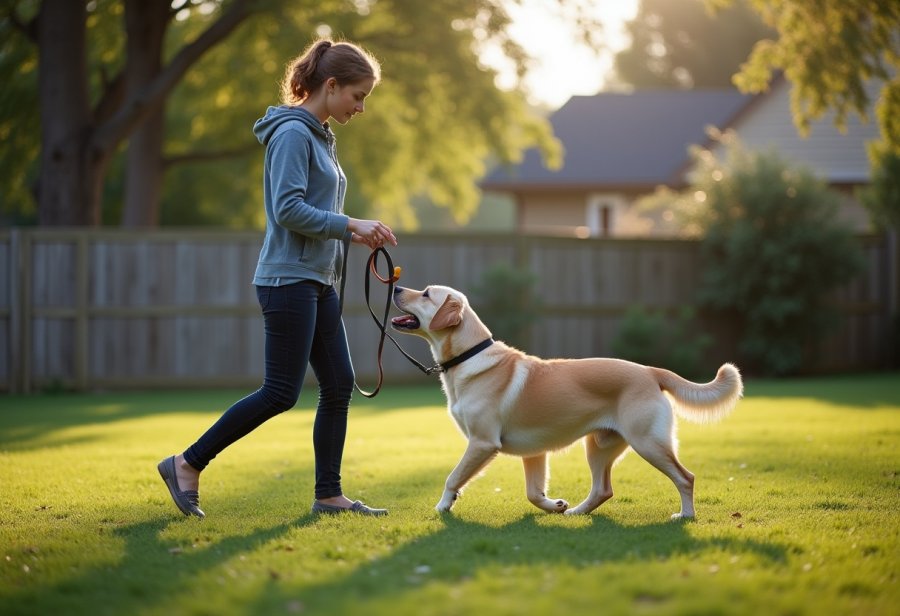
Mastering Calm Dog Walking to Strengthen Your Bond
Mastering calm dog walking isn’t just about teaching your pet to stay by your side—it’s about strengthening the trust and understanding between you both. When your dog learns to walk relaxed and focused, those outings become more than just exercise; they turn into moments of connection and mutual respect. A calm walk transforms what can be a chaotic or stressful experience into a peaceful shared activity, making every step more enjoyable for everyone involved.
A relaxed walk also offers practical benefits. It reduces the chances of sudden lunges or pulling, which can lead to accidents or heightened stress. When your dog is attentive and calm, they’re more receptive to commands, making training more effective and less frustrating. Over time, this approach helps address common behavioral issues like leash pulling and lunging, smoothing out daily routines and creating a more harmonious walking experience.
Beyond behavior, calm walking deepens your bond in subtle yet powerful ways. It’s a quiet moment where communication flows smoothly, and your dog learns to trust your guidance. This trust encourages your dog to stay attentive and confident, whether in a busy park or a quiet neighborhood. These peaceful walks become a foundation for a stronger, more positive relationship that extends beyond just leash time.
Many owners aim to turn everyday walks into opportunities for connection rather than chaos. Achieving this takes patience and consistency, but the rewards are worth it. When your dog walks calmly at your side, each outing becomes a chance to enjoy each other’s company more fully and build a bond rooted in trust, calmness, and shared understanding.
Foundations of Dog Walking: Principles and Preparations
Getting started with calm dog walking requires a solid understanding of some core principles that set the stage for success. Clear communication is key—dogs respond best when they understand what you want. Using consistent cues and positive reinforcement helps your dog trust you and recognize which behaviors earn praise. Being patient and rewarding your dog immediately after they stay calm or follow commands strengthens the connection between action and reward.
Equipping your dog with the right gear is equally important. A well-fitting harness or collar combined with a sturdy leash provides both comfort and control, making training sessions smoother and more effective. Knowing your dog’s temperament and energy level allows you to tailor your approach, ensuring your methods suit their individual needs and personality. This personalized touch makes a big difference in how quickly they learn.
Building a calm, reliable walk begins with establishing routines that your dog can understand. Consistent signals and predictable behaviors foster a sense of safety, encouraging your dog to follow your lead. Using treats or praise as immediate rewards reinforces good walking habits and deepens trust. Recognizing signs of stress or excitement helps you respond appropriately, preventing unintentional reinforcement of undesirable behaviors and keeping training positive.
Understanding dog behavior is essential. Dogs are social animals with instincts rooted in their past, which influence how they react to new environments or distractions. By interpreting signs of stress, excitement, or hesitation, you can adjust your training accordingly. This responsiveness helps your dog feel secure and encourages calm cooperation during walks, making each outing a step toward better behavior and stronger bonds.
Remember, patience and consistency are your best tools. Progress may be slow at first, but steady effort builds a foundation of trust and reliability. When you focus on these fundamentals, walking together becomes less of a challenge and more of a shared journey toward harmony and connection.
Step-by-Step Guide to Calm Walking and Heel Training
Teaching your dog to walk calmly at your side works best when you follow a clear, step-by-step plan. Begin in a quiet space, like your backyard or a calm park, where distractions are minimal. Gather your equipment—such as a well-fitting harness, a sturdy leash, and some treats—and have everything ready before you start. This preparation keeps the focus on training and sets your dog up for success from the outset.
Start by teaching your dog to focus on you. Use a simple cue like “look” or “focus,” and reward immediately when they make eye contact or stay attentive. Once this behavior is reliable, introduce the “heel” command. Walk slowly, guiding your dog into position beside you with treats, and praise when they stay in place. If they pull ahead or lag behind, stop walking, call them back to your side, and reward when they return to the correct spot.
Gradually add challenges, like passing quiet distractions or changing your pace. When your dog pulls or gets overly excited, pause and reset. This teaches that calmness and focus lead to rewards, while pulling or rushing forward doesn’t. Repeating stops and resets helps your dog understand boundaries and what’s expected during walks.
Consistency is key—use the same commands and rewards each time. Practice in short, regular sessions of five to ten minutes to keep your dog engaged without frustration. Over time, your dog will learn to walk politely and confidently at your side, transforming walks into moments of trust and harmony. Patience and persistence make this process rewarding and effective, building a foundation for calm, joyful outings.
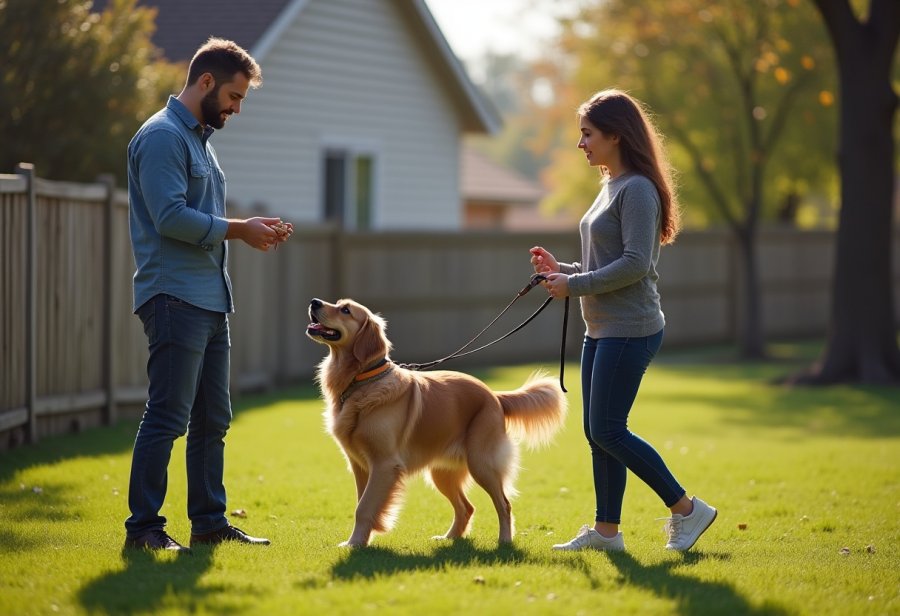
Practical Tips for Maintaining Calm During Walks
Maintaining calm during walks starts with your own attitude. Dogs are highly perceptive and tend to mirror your energy, so staying relaxed and steady helps them stay composed. Practice deep breaths, move at a smooth, consistent pace, and avoid sudden stops or jerky movements that could excite or confuse your dog. Speaking in a calm tone and using confident body language reinforce a peaceful atmosphere, making it easier for your dog to focus and stay relaxed.
Reward your dog consistently when they demonstrate good behavior, such as ignoring distractions or walking calmly beside you. Immediate praise and treats create positive associations with attentive, quiet walking. Remember, timing matters: rewards should follow the behavior right away to be most effective. This reinforces what you want and encourages your dog to repeat calm habits.
Incorporating short breaks into your routine can make a big difference. If your dog gets overly excited or distracted, gently pause and give them a moment to settle down. These pauses serve as reset points, teaching your dog that calmness leads to rewards and a more enjoyable walk. Over time, they’ll learn to self-regulate and stay focused, even amid stimuli that might normally cause pulling or lunging.
Plan your walks with manageable sessions—five to ten minutes at first—to prevent fatigue and frustration. Keep routines predictable and positive, which helps your dog develop confidence and trust. As they improve, you can gradually increase the duration or introduce new environments, always rewarding calmness and attentiveness along the way.
Choosing the right timing and environment also plays a crucial role. Quieter areas and less busy times reduce stress and help your dog stay relaxed. As confidence builds, you can slowly expose your dog to busier settings, always reinforcing calm behavior with praise and treats. This gradual process makes walks more productive and enjoyable.
Stay consistent with your approach, and be patient with setbacks. Celebrating small wins keeps motivation high and builds your dog’s trust. Remember, calm, confident handling sets the tone for every walk, transforming a potentially chaotic outing into a peaceful, bonding experience. With time and effort, your routines will become smoother, fostering a stronger, more relaxed partnership between you and your dog.
Enhancing Your Routine for Better Walks and Stronger Connection
Enhancing your dog-walking routine can turn everyday outings into more effective and enjoyable experiences for both of you. Changing up your routes—exploring new parks, quiet streets, or scenic trails—keeps your dog engaged and prevents boredom. These varied environments expose your dog to different sights and sounds, helping them build confidence and stay calm in diverse settings. The more positive experiences they have outside familiar territory, the better they’ll handle new or busy places.
Incorporating small training exercises during walks can significantly boost focus and reinforce good habits. Pausing for a quick “focus” cue or practicing a gentle sit before moving forward turns routine walks into mini training sessions. Rewarding your dog for maintaining attention and walking politely deepens your bond and makes training feel natural rather than separate from daily life. These moments of reinforcement turn simple walks into opportunities for steady learning.
Your own energy influences your dog’s behavior. Moving at a consistent, relaxed pace and speaking in a calm tone create a peaceful atmosphere that encourages your dog to mirror your mood. Gentle gestures and clear commands reinforce a sense of security, making it easier for your dog to stay focused and composed. When you project confidence and patience, your dog is more likely to remain calm amid distractions.
Treats and praise remain essential tools. When your dog ignores distractions or walks beside you without pulling, immediate positive reinforcement strengthens those behaviors. Over time, this builds a habit of attentive, calm walking and transforms routine outings into moments of connection and trust. Consistency in rewarding good behavior helps your dog understand what’s expected and creates a positive feedback loop.
Planning your walks during quieter parts of the day or in less crowded areas can help your dog stay relaxed. As they become more confident, you can gradually introduce busier environments, always rewarding calmness and focus along the way. This gradual exposure helps your dog learn to remain composed in more stimulating settings, making walks more productive and less stressful.
Mixing up your routine with short, consistent outings keeps training fresh and engaging. Keeping sessions brief prevents fatigue and frustration, supporting steady progress. Over time, these small adjustments turn daily walks into meaningful bonding moments that reinforce your shared calmness and harmony, making every stroll a step toward a stronger, more relaxed partnership.
Implementing Your Calm Walking Training Plan Successfully
To effectively start your calm walking routine, set clear, realistic goals based on your dog’s current behavior. Begin in a quiet, low-distraction environment like your backyard or a calm park. Gather all necessary equipment—such as a well-fitting harness, a sturdy leash, and tasty treats—and have everything ready before you begin. Being prepared keeps the session focused, giving your dog the best chance to succeed from the start.
Keep training sessions short and consistent, ideally around five to ten minutes. Use simple cues like “focus” or “heel” and reward your dog immediately when they respond correctly—walking beside you calmly or maintaining focus. Reinforcing small wins builds their confidence and helps them learn that calm, attentive walking brings positive results. Remember, patience is key; progress may be slow initially, but steady effort pays off over time.
When your dog pulls ahead or becomes overly excited, pause and gently reset. Stop walking, call them back to your side, and reward once they return to the proper position. This teaches that calmness and focus lead to rewards, while pulling or rushing forward do not. Consistently practicing this pattern of stopping and resetting helps your dog understand boundaries and expectations during walks.
As your dog gains reliability, gradually introduce mild distractions like passing cars or other dogs. Always reward calm behavior and avoid rushing the process. Consistency and patience are essential—every successful step reinforces good habits and deepens trust. Over time, your dog will learn to walk confidently and peacefully at your side, transforming everyday outings into moments of connection and mutual respect.
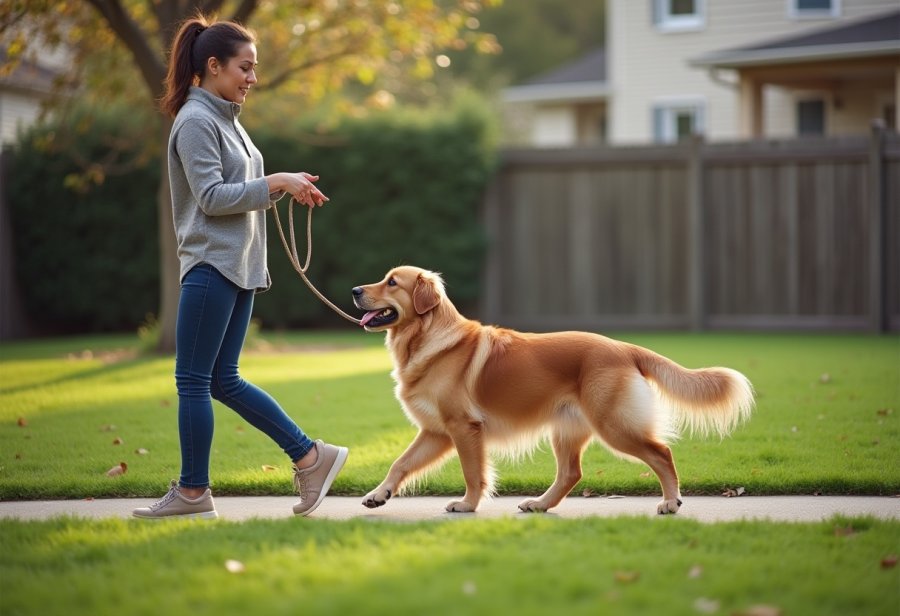
Overcoming Common Challenges on Your Calm Dog Walking Journey
When training your dog to walk calmly, obstacles like distractions and stubbornness are inevitable, but they also present valuable opportunities to adapt your approach. If your dog gets distracted by other dogs, loud noises, or bustling crowds, gradually introduce these stimuli in controlled settings. Reward your dog for maintaining focus instead of reacting, reinforcing that calm attention is what earns praise and treats.
Leash pulling is a common hurdle. Often, it’s a sign your dog is eager to explore or testing boundaries. When pulling happens, stop immediately and gently pull back on the leash. Call your dog back to your side and reward them once they return to a relaxed, focused position. Consistently showing that pulling doesn’t lead anywhere, while calm persistence does, gradually reshapes their behavior.
Anxiety or hesitation can slow progress, especially in unfamiliar or noisy environments. Introducing new areas gradually, with plenty of praise and treats, helps build your dog’s confidence. If they resist or show signs of stress, back off to familiar territory and rebuild their comfort step by step. Patience and gentle encouragement prevent frustration and keep training positive.
Sometimes, stubbornness or resistance to commands requires revisiting basic routines. Use high-value treats and consistent cues to motivate your dog. Reinforce good habits with praise and patience, understanding that each dog learns at their own pace. Persistence pays off as your dog begins to respond more reliably and calmly.
Throughout this process, your own calm, confident energy sets the tone. Dogs are experts at picking up on your mood, so stay steady even when challenges arise. Avoid punishing or reacting harshly—this can create confusion or fear. Instead, maintain a positive, reassuring attitude that encourages your dog to stay relaxed and cooperative.
Remember, setbacks are part of learning. With patience, consistency, and a positive mindset, most obstacles become opportunities for growth. Each challenge you overcome not only improves your dog’s walking habits but also deepens the trust and bond you share. Over time, these efforts lead to more peaceful, enjoyable outings for both of you.