Learning to ride a bike captures more than just balance; it embodies courage, perseverance, and the deep bonds of family support. As children wobble and fall, they confront fears that threaten to hold them back, yet with reassurance from loved ones, each stumble becomes a stepping stone toward independence. This journey teaches resilience—not just in physical skills but in emotional strength, illustrating that setbacks are integral to growth. The shared experience fosters trust, confidence, and lasting memories, transforming anxiety into triumph. But does the fear of falling outweigh the thrill of freedom? As children master their bikes, they’re not only navigating pedals and turns but also forging a mindset prepared to tackle life’s challenges. Ultimately, this rite of passage reveals that vulnerability, combined with support, cultivates resilience—turning wobble into wisdom and fear into freedom.
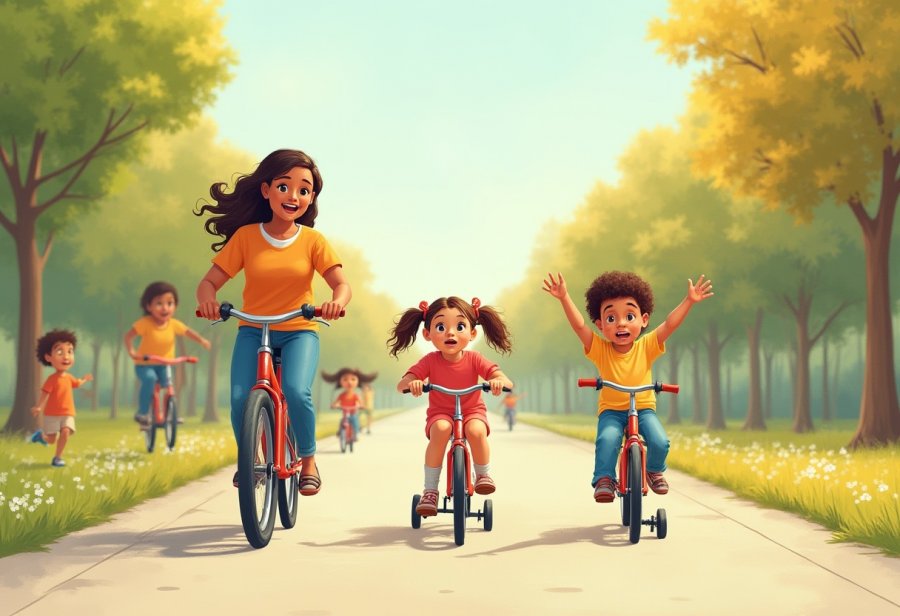
The Journey of Courage and Family Bonds Through Bike Riding
Learning to ride a bike isn’t just about balancing on two wheels; it’s a milestone packed with meaning. For children, that first wobble or shaky pedal stroke often marks a moment of courage—an initial step toward independence. It’s a rite of passage that turns nervous anticipation into triumphant joy, especially when family members are there to share in the experience. These early efforts create a foundation of trust and support, fostering a sense of togetherness that lasts long after the bike is put away.
The act of learning to ride becomes a bonding ritual, where parents and caregivers play a vital role. Whether they’re holding the seat, walking alongside, or offering encouraging words, their presence reassures children that they’re not alone in the challenge. These small acts of support help transform the fear of falling into a shared adventure, deepening emotional connections and building confidence along the way. It’s in these moments that families forge memories rooted in perseverance and trust.
Cycling also symbolizes freedom—an open door to explore the world beyond familiar surroundings. As children gain balance and control, they begin to see themselves as capable and autonomous. Riding a bike becomes more than a physical skill; it’s a metaphor for stepping into new territories, both literally and figuratively. With each wobble and fall, kids learn resilience—understanding that setbacks are just part of growth, and that persistence leads to mastery.
This journey often sparks a mix of emotions: excitement, nervousness, and sometimes even fear. The fear of falling can feel overwhelming, but it’s also a powerful teacher. When supported by family, children learn to face their anxieties head-on, turning hesitation into determination. These experiences teach them that courage isn’t the absence of fear, but the willingness to try despite it. Through every stumble, they discover that with patience and encouragement, they can overcome obstacles and go farther than they thought possible.
Ultimately, learning to ride a bike embodies more than just physical coordination—it’s about building emotional resilience and confidence. The support of loved ones transforms a challenging task into an empowering experience. As children pedal forward, they’re not just mastering a skill—they’re stepping into a world of possibilities with courage and trust. This shared journey reminds us all that growth often begins with a wobble, and that with a little help, we can all find our balance and move toward independence.
Building Foundations: Skills and Emotions in Learning to Ride
Learning to ride a bike involves more than just figuring out how to pedal and steer; it’s about developing core physical and emotional skills that foster confidence and independence. At its heart, riding requires balance—staying upright without wobbling or falling—and mastering this takes patience and practice. Young riders often start with shaky movements, but through persistence, they learn to control their bodies and find a steady rhythm that keeps them upright. This physical mastery naturally boosts their confidence, encouraging them to try more complex maneuvers.
Pedal control is equally vital. Learning to push the pedals smoothly and consistently helps children develop coordination and fine motor skills. As they gain control over steering and braking, they begin to see themselves as capable and autonomous. Each small success—whether it’s balancing longer or making a turn—reinforces their belief in their abilities and motivates them to push further.
But riding isn’t just about mechanics; it’s about cultivating resilience. Kids will inevitably wobble or fall, and those moments can be discouraging. However, each wobble or tumble offers a valuable lesson in perseverance. Kids learn that setbacks are normal parts of learning, not signs of failure. Supporting them through these challenges helps build patience, emotional strength, and a growth mindset that values effort over perfection.
The emotional aspect is just as important as the physical. Children often feel nervous or hesitant at first, worried about falling or losing control. Building trust in their abilities involves reassurance and encouragement from family and friends. When caregivers stand by, offer steadying hands, or simply cheer from the sidelines, they help transform fears into confidence. These moments of support turn tentative attempts into moments of pride and joy, fueling further effort.
Learning to ride a bike is also a journey of emotional growth. Facing fears head-on, even when wobbling or falling, teaches children resilience and patience. They discover that overcoming obstacles isn’t about avoiding fear but learning to move through it with support. This process helps them develop a mindset that embraces challenges as opportunities for growth, both on and off the bike.
Physical skills like balancing, pedaling, and steering lay the foundation, but emotional resilience makes the difference in long-term confidence. As children practice, they begin to see themselves as capable individuals, ready to face new challenges. Each victory, no matter how small, becomes a stepping stone toward independence—an essential part of their development.
In the end, learning to ride a bike is a powerful symbol of growth. It’s about more than just staying upright; it’s about trusting oneself, embracing setbacks, and knowing that with support, perseverance pays off. This experience shapes not only a child’s ability to ride but also their attitude toward challenges in life, teaching that resilience and confidence are built one wobble at a time.
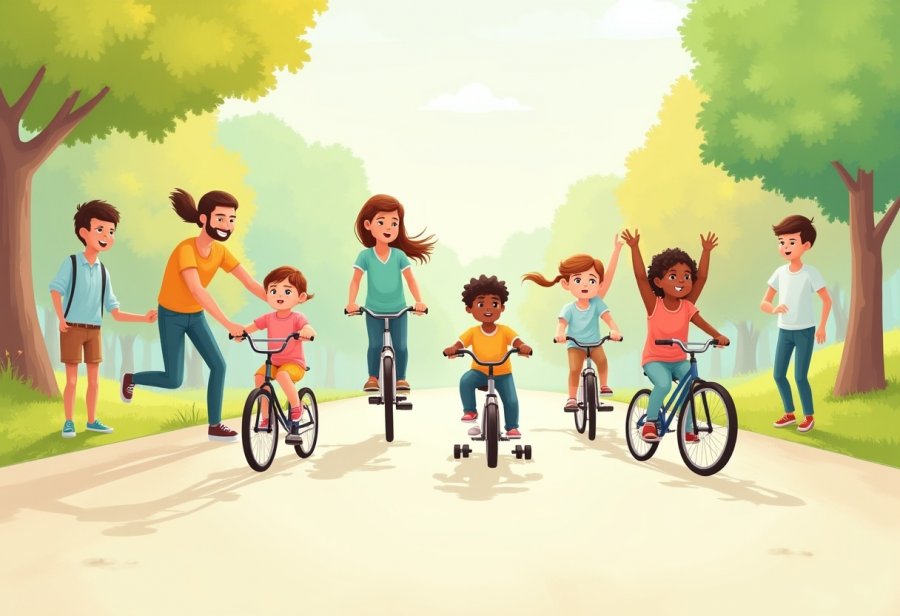
Emotional and Psychological Insights into the Bike Learning Adventure
Learning to ride a bike is as much an emotional journey as it is a physical skill. For many children, the initial attempts are filled with a mix of excitement and nerves—fears of falling and doubts about their abilities can feel overwhelming. These feelings are natural, often manifesting as hesitation or reluctance to try. Overcoming them requires patience and resilience; kids need to learn that setbacks, like wobbling or tumbling, are just part of the process. Support from family and friends helps turn anxiety into confidence, making each attempt less intimidating and more a step toward mastery.
Family support plays a pivotal role in this process. When parents cheer them on, hold their hand, or simply stand nearby with an encouraging smile, it creates a safe space for children to face their fears. These moments of reassurance transform what could be a discouraging experience into a shared victory. Watching a loved one believe in their ability—even when wobbling or falling—fosters trust and resilience. Children start to see that falling isn’t failure but a natural part of learning, and that perseverance is key to progress.
The social aspect of learning to ride also influences how children approach the challenge. Kids often imitate those they admire—whether it’s a sibling, parent, or friend confidently pedaling along. Seeing others succeed encourages them to keep trying, reinforcing the idea that mastery is within reach. Sharing these moments with family and peers deepens emotional bonds, making the journey memorable and motivating them to push through frustrations. Celebrating small milestones together, like balancing without support or making a turn, builds confidence and perseverance.
Emotionally, facing fears head-on helps children develop resilience that extends beyond biking. Each wobble or fall teaches patience and persistence, shaping a mindset that challenges are opportunities for growth rather than obstacles. Over time, this emotional toughness influences their approach to future hurdles, fostering a belief that setbacks are temporary and manageable. This resilience becomes a foundation for tackling new challenges with confidence, both on and off the bike.
The journey of learning to ride also reveals how children build a sense of independence and self-trust. Conquering fears and mastering skills provide a sense of pride that boosts their belief in themselves. These small victories—like balancing longer or making their first turn—become powerful confidence boosters, encouraging them to try new things. As they grow, the emotional strength gained from overcoming riding fears creates a resilient attitude that supports their ongoing development.
While the path can be filled with frustrations, it’s also rich with moments of pride and joy. Every wobble overcome and fall turned into a lesson helps children build not just biking skills but also emotional resilience. They learn that facing fears with support turns vulnerability into strength. This process shapes confident individuals ready to embrace new challenges with courage and perseverance, all rooted in the shared experience of overcoming their initial fears.
Supporting Strategies for Confident and Safe Cycling
Supporting children in learning to ride a bike safely and confidently begins with creating an environment that encourages exploration while minimizing risks. Choosing flat, traffic-free spaces such as parks or driveways provides a safe setting where kids can focus on developing their skills. Keeping the area free of distractions and hazards helps children concentrate on balancing, pedaling, and steering without feeling overwhelmed. Equipping them with essential safety gear—helmets, knee pads, and elbow pads—does more than protect; it signals that safety matters, boosting their confidence to try new maneuvers and push their limits gradually.
Breaking the learning process into small, manageable steps makes progress feel less daunting. Starting with balance exercises—like walking along a line or riding a balance bike—builds core stability before moving on to pedaling. Once children are comfortable balancing, introducing pedaling gradually helps develop coordination and control. Support from caregivers—whether holding the bike, offering a steady hand, or walking alongside—provides reassurance and helps children feel secure, encouraging them to try with greater confidence. Celebrating each small milestone, like maintaining balance or making a turn, reinforces their sense of achievement and motivates further effort.
Positive reinforcement is key in keeping enthusiasm high. Praising effort rather than perfection encourages children to persist through wobbling or falls, which are natural parts of learning. Sharing personal stories of your own early biking adventures or highlighting peers’ successes can inspire perseverance. Reminding kids that setbacks are normal and temporary helps them view challenges as opportunities for growth rather than failures. Consistent encouragement turns nervous attempts into moments of pride, making the process enjoyable and rewarding.
Family involvement amplifies the learning experience, transforming it into a bonding activity. Holding the seat, offering steady support, or simply standing nearby with an encouraging smile makes children feel supported and safe. Your presence reassures them that they’re not alone in their efforts, turning anxiety into excitement. Demonstrating riding techniques or sharing your own experiences reinforces trust and motivates kids to keep trying. These shared moments of support and encouragement foster emotional security, making each attempt a step toward independence.
Patience remains essential as every child learns at their own pace. Rushing can lead to frustration or fear, so maintaining a gentle, encouraging approach helps sustain motivation. Focus on celebrating small wins—like balancing longer or making their first successful turn—which build resilience and confidence. Providing consistent support and emphasizing effort over speed cultivate a growth mindset, helping children see challenges as opportunities to improve. When adults nurture patience and positivity, children develop not only biking skills but also the emotional strength to face future hurdles with confidence.
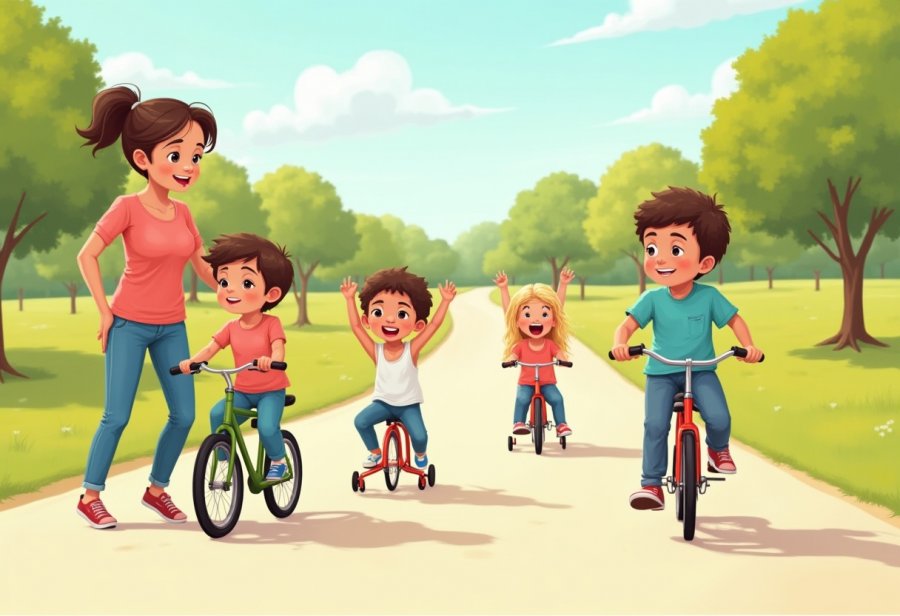
Reflections on Courage, Support, and Growth in Bicycle Learning
Learning to ride a bike is more than just a physical skill; it’s a powerful lesson in courage, resilience, and trust. When children take on the challenge of balancing on two wheels, they discover that overcoming fear is just as important as mastering mechanics. The support and patience of family members turn these moments of doubt into opportunities for growth, fostering a sense of confidence that extends well beyond the bike path.
Fears of falling are natural, but they don’t have to hold kids back. Instead, they become stepping stones toward independence. When loved ones stand by—offering reassurance, steadying hands, or simply sharing a smile—they help children face their anxieties. This shared effort transforms tentative attempts into triumphant milestones, reinforcing that setbacks are part of the journey, not final failures. Through persistence and support, children learn that resilience is built one wobble at a time.
The emotional journey of learning to ride shapes more than just biking ability; it cultivates a mindset that embraces challenges. Kids discover that setbacks don’t define them—they are merely chapters in their growth story. Each fall or wobble encourages patience and perseverance, teaching that progress often comes in small, steady steps. This resilience becomes a foundation for tackling future obstacles with a confident heart and a calm mind, both on and off the bike.
Family involvement amplifies this process, turning it into a shared adventure. Celebrating small wins together—like balancing longer or making a first turn—builds pride and motivation. These moments deepen emotional bonds, making the experience memorable and reinforcing the idea that they are supported every pedal of the way. When children feel secure and encouraged, they are more willing to take risks and push their boundaries, knowing they have a team behind them.
As children conquer their fears and master new skills, they carry forward a vital message: courage is cultivated step by step, and trust in oneself grows through persistence. The lessons learned during these early rides—trust, patience, resilience—shape not only capable bikers but confident individuals prepared to face challenges in all areas of life. Each wobble and fall becomes a building block for a resilient spirit that can navigate life’s ups and downs.
In the end, learning to ride a bike reminds us that growth often begins with vulnerability and support. It’s about embracing the wobble, trusting the process, and recognizing that every fall is an opportunity to rise stronger. When families come together to nurture courage and perseverance, they don’t just teach a child to pedal—they help shape resilient, confident minds ready to take on whatever challenges lie ahead.