In an era where effective communication can make or break a business, how can organizations unlock seamless, adaptable, and scalable telephony solutions? Grandstream’s innovative devices promise to transform traditional systems into dynamic, future-ready networks. Imagine deploying high-quality IP phones tailored for mass deployment, managed effortlessly through centralized platforms that streamline configuration and monitoring. But are these customizable solutions capable of supporting the growing complexity of modern workplaces—remote, hybrid, and multi-location teams alike? With IP telephony and VoIP technology underpinning this revolution, businesses can reduce costs, enhance call quality, and integrate with CRM and collaboration tools, all while maintaining security and resilience. The challenge lies in navigating the balance between robust infrastructure and flexible management—can Grandstream’s comprehensive solutions meet this need? This guide explores how forward-thinking organizations are leveraging these tools to create responsive communication ecosystems, paving the way for more efficient workflows and enriched customer experiences.
Transform Your Business Communication with Customizable Telephony Solutions
In today’s fast-moving business landscape, effective communication isn’t just a plus—it’s a necessity. Companies need systems that are not only reliable but also adaptable to their unique workflows and growth trajectories. Traditional phone systems often fall short, feeling rigid and difficult to customize, which can hinder both internal efficiency and customer satisfaction. That’s where customizable telephony solutions come into play, offering a flexible approach to managing how your organization communicates.
These solutions empower businesses to tailor their entire communication infrastructure to match specific operational needs. Whether it’s routing calls based on department priorities, integrating with customer management tools, or supporting multiple locations seamlessly, customization ensures your phone system works for you, not the other way around. This level of flexibility means you can implement changes quickly as your business evolves, avoiding costly hardware upgrades or lengthy downtime.
The real advantage of modern, customizable telephony lies in its ability to grow alongside your company. Instead of being locked into a one-size-fits-all setup, you can modify features like call handling, voicemail, or device configurations with ease. This adaptability enhances the customer experience by enabling faster, more personalized service, and streamlines internal processes by aligning communication flows with your organizational structure. As your business expands or shifts focus, your telephony system can adapt without missing a beat.
In addition, choosing solutions designed for scalability and ease of management makes deployment simpler and more cost-effective. Devices like Grandstream’s IP phones are built with customization at their core, allowing for role-specific configurations and quick adjustments. Centralized management platforms further streamline oversight, enabling remote configuration, monitoring, and updates across hundreds or thousands of devices. This reduces administrative overhead and ensures consistency across your entire network, no matter the size.
Beyond hardware, these solutions support integration with other critical business systems, such as CRMs and collaboration platforms. This interconnected environment creates a unified communication ecosystem that boosts productivity and enhances responsiveness. Whether your team is working from the office, remotely, or in a hybrid setup, customized telephony systems provide the tools and flexibility needed to stay connected and efficient, no matter where employees are located.
Ultimately, investing in customizable telephony isn’t just about technology; it’s about transforming how your business communicates. It’s about creating a system that can adapt to your needs today and evolve with you tomorrow. When you prioritize flexibility, scalability, and seamless integration, you set the stage for more effective workflows, better customer interactions, and a future-ready communication strategy.

Unveiling the Core of Telephony Technology: IP, VoIP, and Network Foundations
Telephony technology has come a long way from the days of traditional landlines, transforming into digital systems that are more adaptable, scalable, and cost-efficient. At the heart of this evolution is IP telephony, which uses internet protocols to transmit voice data rather than relying solely on dedicated phone lines. This shift allows businesses to utilize their existing internet infrastructure, reducing costs while opening up new possibilities for communication and collaboration.
Voice over IP, or VoIP, is the practical embodiment of IP telephony. It converts analog voice signals into digital packets that travel over the internet, enabling calls from a variety of devices such as computers, smartphones, and IP phones. VoIP’s advantages are clear: lower long-distance and international call costs, along with advanced features like call forwarding, voicemail-to-email, and conference calling—capabilities that were once only available through expensive legacy systems. These features give businesses the flexibility to handle communication more efficiently and professionally.
Supporting these digital voice services requires a solid network infrastructure. High-quality routers, switches, and sufficient bandwidth are essential to manage voice, video, and data traffic simultaneously without sacrificing call quality. Network reliability and security are paramount, as voice data is sensitive and must be transmitted smoothly and securely. Proper configuration of Quality of Service (QoS) settings ensures that voice packets are prioritized, maintaining clear and consistent calls even during peak usage. This focus on network health directly impacts the clarity, stability, and professionalism of your communications.
The move toward IP-based telephony emphasizes scalability and ease of management. Cloud platforms and management tools now make it simple to add new users, expand to additional locations, or update features without disruptive hardware changes. This flexibility supports growing organizations and those operating across multiple sites, allowing them to adapt quickly to changing business needs. With centralized control, IT teams can remotely configure, monitor, and troubleshoot devices, reducing administrative overhead and ensuring the system remains up to date and secure.
Understanding these core concepts—IP telephony, VoIP, and network infrastructure—is vital for designing or upgrading an effective communication system. Recognizing how voice data travels across networks highlights the importance of network quality and security. It also underscores the benefits of cloud management and scalable solutions, which enable businesses to grow without being hamstrung by hardware limitations. Mastering these fundamentals ensures your telephony system is not only reliable today but prepared for the innovations of tomorrow.
Navigating the Modern Business Communications Landscape: Infrastructure and Innovation
The landscape of business communication has transformed dramatically in recent years, driven by rapid technological advancements and shifting workplace dynamics. Today’s networks are designed to support a wide array of digital tools—voice calls, video conferencing, instant messaging, and collaborative platforms—all operating seamlessly within IP-based systems. This evolution demands infrastructure that’s not only high-capacity and reliable but also flexible enough to handle the diverse needs of modern organizations.
Many companies face challenges in adapting legacy systems that struggle with maintaining call quality across multiple locations. As the number of connected devices grows, managing these systems becomes increasingly complex and costly. Scaling or integrating new features often involves hardware upgrades and downtime, disrupting day-to-day operations. With remote and hybrid work models now commonplace, organizations need solutions that are agile, easy to manage, and capable of supporting a distributed workforce without sacrificing performance.
The shift to IP-based communication systems offers significant advantages in flexibility and scalability. Unlike traditional landlines, digital systems leverage existing internet infrastructure, enabling businesses to add users and locations rapidly. Cloud platforms and management tools make onboarding, configuring, and updating devices straightforward, often remotely. This reduces the need for physical interventions, cuts costs, and accelerates deployment, supporting organizations as they expand or pivot their service offerings.
Modern networks are built to support not just voice but an integrated ecosystem of communication tools. High-quality routers, switches, and sufficient bandwidth are essential to handle voice, video, and data traffic simultaneously without degradation of quality. Implementing Quality of Service (QoS) settings ensures voice packets are prioritized, maintaining clear, professional calls even during network congestion. This focus on network health directly impacts customer experience and internal productivity, making reliable connectivity a cornerstone of day-to-day business operations.
As organizations grow, their communication systems must evolve to match their expanding needs. Cloud-managed solutions facilitate this by enabling centralized control over thousands of devices across multiple locations. Administrators can configure, monitor, and troubleshoot remotely, reducing operational overhead and minimizing disruptions. Such flexibility allows businesses to respond swiftly to market changes, whether that means onboarding new teams or deploying advanced features without hardware overhauls.
Integration plays a critical role in creating a unified communication environment. Connecting telephony with customer relationship management (CRM), collaboration tools, and enterprise apps streamlines workflows and enhances responsiveness. Employees can access relevant information during calls, transfer data effortlessly, and collaborate more effectively. This interconnected approach not only improves efficiency but also positions organizations to deliver a more personalized, responsive customer experience.
Security and network optimization are equally vital. Implementing encryption, access controls, and network segmentation safeguards sensitive communications from cyber threats. Properly configured security measures, combined with high-quality hardware, minimize risks and ensure consistent call quality. Regular monitoring and proactive maintenance keep the infrastructure resilient, even during peak usage or unforeseen issues, building trust in the reliability of your communication channels.
Looking ahead, the future of business communication will continue to integrate emerging technologies like AI-driven analytics, IoT, and enhanced cloud solutions. Building a robust, scalable network now sets the foundation for adopting these innovations smoothly. Organizations that invest in high-performance infrastructure and flexible management platforms will be better equipped to stay competitive, adapt quickly, and deliver seamless, efficient communication regardless of how the landscape evolves.

Empowering Your Organization with Grandstream’s Scalable and Customizable Devices
Grandstream’s portfolio of devices makes deploying scalable, customizable telephony systems straightforward and reliable, no matter the size of your organization. Designed with flexibility in mind, their products serve everything from small teams to large enterprises, ensuring your communication infrastructure can grow alongside your business. The hallmark of Grandstream’s solutions is their ability to deliver high-quality performance while allowing tailored configurations suited to specific operational needs.
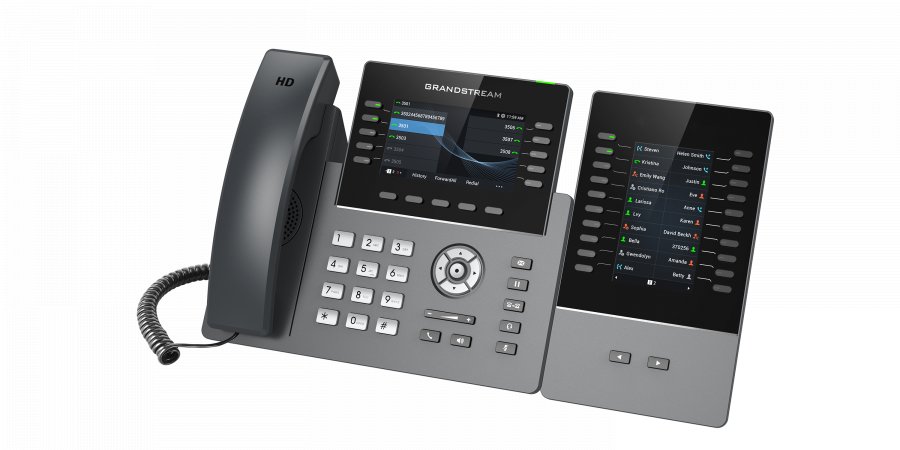
At the core are the GRP series IP phones, engineered for mass deployment and centralized management. These devices combine crisp audio quality with advanced features like programmable keys, enabling quick access to frequently used functions. Whether supporting a busy reception, customer service team, or remote workers, these phones can be configured to streamline workflows and improve efficiency. Their customization options help ensure each user has the right tools, leading to more effective communication and better customer interactions.
Managing a large fleet of devices becomes effortless with Grandstream’s Device Management System (GDMS). This centralized platform allows administrators to configure, monitor, and update hundreds or even thousands of endpoints remotely. Firmware updates, feature rollouts, and troubleshooting can all be handled from a single interface, reducing manual effort and minimizing the risk of errors. This level of control simplifies ongoing maintenance and ensures consistency across your entire network, saving time and resources.
Grandstream also offers a range of gateways and video conferencing solutions, supporting hybrid environments. These devices facilitate seamless integration between traditional PSTN lines and IP networks, enabling a smooth transition without losing legacy capabilities. Their video conferencing units support remote collaboration, making it easier for teams across different locations to connect and work together effectively. Meanwhile, their network hardware ensures a robust infrastructure that maintains high call quality and data security.
One of the key strengths of Grandstream’s solutions is their adaptability. Devices support a wide spectrum of configurations—from simple call forwarding to complex call routing integrated with CRM systems. This level of personalization helps streamline workflows and enhances the user experience, whether through programmable keys, custom interfaces, or firmware modifications tailored to your operational needs. The ability to pre-configure devices using batch provisioning further accelerates deployment, ensuring consistency and reducing setup time.
Finally, network optimization plays a crucial role in maximizing the potential of Grandstream devices. Proper setup of Quality of Service (QoS) settings prioritizes voice and video traffic, preserving call clarity even during busy periods. Built-in security features like encryption and access controls safeguard sensitive communications from cyber threats. When combined with a well-designed network infrastructure, these measures create a reliable, secure, and high-performing telephony environment capable of supporting your evolving communication needs.