Nylon, a staple of modern life—from clothing to industrial materials—owes its existence to petrochemical processes that carry profound environmental costs. Its production relies on fossil fuels, which fuel habitat destruction, pollution, and climate change, while chemical reactions release greenhouse gases and toxic byproducts. Despite its durability and versatility, nylon’s resistance to biodegradation means discarded fibers linger for centuries, contaminating oceans and soils with microplastics that threaten wildlife and human health. The shedding of microfibers during washing adds to this crisis, infiltrating ecosystems and food chains. As we benefit from nylon’s convenience, are we overlooking the hidden toll it exacts on our planet? Addressing these challenges necessitates a shift towards recycling, bio-based alternatives, and stricter pollution controls—an urgent step toward a sustainable future that balances technological progress with environmental responsibility.

Unveiling the Hidden Costs of Nylon: From Comfort to Environmental Crisis
Nylon is one of the most common synthetic fibers in our daily lives, found in everything from clothing and carpets to industrial materials. Its popularity stems from its durability, elasticity, and affordability—traits that revolutionized the textile industry when it was first introduced in the 1930s by scientists at DuPont. Almost overnight, nylon replaced natural fibers like silk and cotton in many applications, offering a cheaper and more resilient alternative. Over the decades, its versatility has only expanded, powering everything from parachutes and sportswear to household goods, embedding itself deeply into modern manufacturing.
Despite its widespread use and convenience, nylon’s roots are closely tied to fossil fuels. Its raw materials—hexamethylenediamine and adipic acid—are derived from oil and natural gas through energy-intensive chemical reactions. This dependency means every fiber produced contributes to the depletion of finite fossil fuel reserves. Extracting these resources involves disruptive drilling and mining operations that threaten ecosystems and pollute water sources. The process of refining hydrocarbons into nylon ingredients releases pollutants like greenhouse gases and toxic chemicals, significantly impacting climate change and local air quality.
The environmental footprint of nylon doesn’t end at manufacturing. It continues through its use and disposal. Washing nylon garments releases tiny microplastic fibers that bypass water filtration systems, ending up in oceans and lakes. Marine animals ingest these microfibers, mistaking them for food, which can cause injury, reproductive issues, and disrupt entire ecosystems. Because nylon fibers are resistant to natural breakdown, discarded products can persist in landfills for hundreds of years, slowly fragmenting into microplastics that contaminate soil and water. This long-lasting pollution adds to the growing global plastic waste crisis.
Nylon’s durability, while beneficial during use, becomes a major environmental challenge after disposal. Its resistance to biodegradation means that once thrown away, it remains in landfills for centuries. During this time, microplastics leach into the environment, infiltrating soil and water systems. These tiny particles are ingested by terrestrial animals and plants, entering the food chain and affecting ecosystems far beyond the original waste site. Managing nylon waste has become increasingly difficult and costly, transforming what is a convenient material into a persistent environmental contaminant.
The reliance on fossil fuels for nylon production also drives habitat destruction and pollution. Oil drilling and natural gas extraction disturb ecosystems, threaten wildlife, and pollute water sources. The chemicals used in manufacturing are toxic and require significant energy to produce, further amplifying their environmental impact. This cycle of resource extraction, chemical processing, and waste generation perpetuates environmental degradation, making nylon a symbol of the broader challenges posed by petrochemical products.
Addressing these issues calls for a shift toward sustainable alternatives. Recycled nylon, made from waste plastics like fishing nets and carpets, offers a promising way to reduce reliance on virgin resources and cut down on waste. Bio-based nylons, derived from renewable plant materials, are emerging as potential options, though they are not yet mainstream. Industry efforts to enforce stricter pollution controls and improve waste management practices are also crucial to mitigating nylon’s environmental impact. Transitioning away from traditional nylon isn’t simple, but it’s essential for aligning manufacturing with environmental responsibility.
Understanding nylon’s environmental impact reveals the hidden costs behind many products we use daily. From resource extraction to microplastic pollution, every stage underscores the urgent need for change. It’s a reminder that convenience often comes with a price—one paid by ecosystems and future generations. Moving forward, innovation, regulation, and consumer awareness will be vital in fostering a more sustainable relationship with synthetic fibers. Rethinking nylon’s role in our lives is not just about protecting the environment but about fostering a more mindful approach to consumption and production.
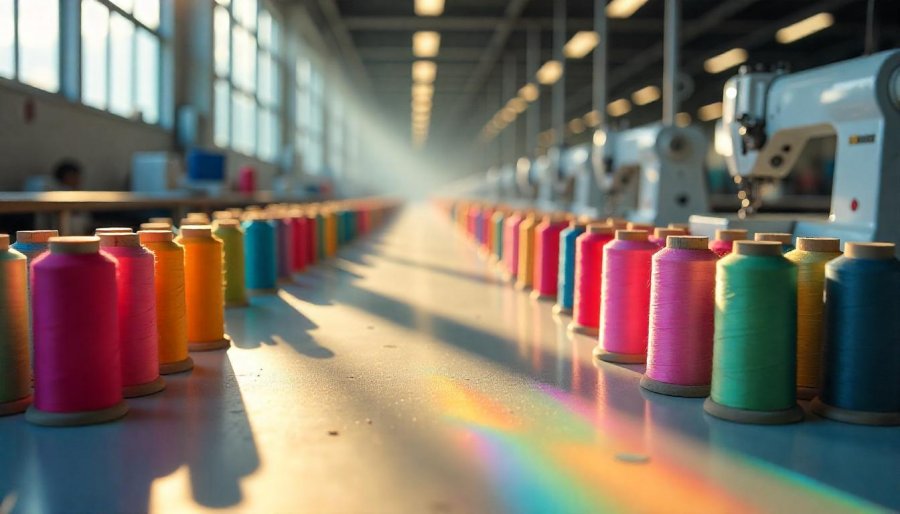
Decoding Nylon’s Chemistry: How Raw Materials Shape a Synthetic Marvel
Nylon’s production begins with a chemical process called polycondensation, where small molecules are linked into long, repeating chains to form a durable synthetic polymer. The key building blocks are diamines and dicarboxylic acids, which react under specific conditions to create nylon’s characteristic structure. For example, nylon 6,6 results from combining hexamethylenediamine with adipic acid. These raw materials are derived from fossil fuels—mainly oil and natural gas—making nylon inherently dependent on non-renewable resources. The chemical bonds formed during this process give nylon its strength, elasticity, and resistance to wear, traits that have made it a staple in textiles, carpets, and industrial applications.
Creating nylon isn’t a simple affair. It requires high temperatures, precise catalysts, and carefully controlled conditions to ensure the chemical reactions proceed efficiently and produce high-quality polymer chains. The manufacturing process begins with extracting hydrocarbons from oil or natural gas, which are then refined into the specific chemicals needed for nylon synthesis. These chemicals are reacted in large industrial reactors where polycondensation occurs—water molecules are removed to extend the polymer chains. This step is highly energy-intensive, consuming vast amounts of fossil fuels and releasing pollutants such as greenhouse gases and volatile organic compounds into the atmosphere.
Understanding the chemistry behind nylon reveals why it’s so widely used and how its properties are rooted in its molecular structure. The long chains of repeating units formed during production give nylon its remarkable combination of strength, flexibility, and chemical resistance. This makes it ideal for a wide range of applications, from clothing and carpets to industrial parts. However, this same durability means nylon doesn’t biodegrade easily. Once discarded, it can persist in landfills or ecosystems for decades, gradually breaking down into microplastics that contaminate soil and water and pose risks to wildlife and human health.
The history of nylon’s development highlights its revolutionary impact on manufacturing. Discovered in the 1930s by Wallace Carothers and his team at DuPont, nylon represented the first successful synthetic fiber, offering a cheaper, more durable alternative to natural fibers like silk and cotton. Its debut in 1935 marked a breakthrough, and during World War II, its strength made it essential for military gear such as parachutes and ropes. Post-war, nylon’s versatility fueled widespread adoption in textiles, plastics, and household goods, embedding itself deeply into the fabric of modern life. Yet, its rapid growth often outpaced awareness of its environmental footprint, setting the stage for ongoing challenges.
Despite its many benefits, nylon’s production relies heavily on fossil fuels, which fuels environmental degradation at several points in its lifecycle. The extraction of oil and natural gas involves disruptive drilling and mining that threaten ecosystems, pollute water sources, and displace wildlife. Refining these hydrocarbons into chemical feedstocks releases pollutants like sulfur oxides and greenhouse gases, contributing to climate change and local air quality issues. The energy-intensive chemical reactions required to produce nylon further depend on fossil fuels, creating a cycle that links nylon’s creation directly to environmental harm. This dependence underscores how the very materials that make nylon useful also make its environmental impact profound and persistent.
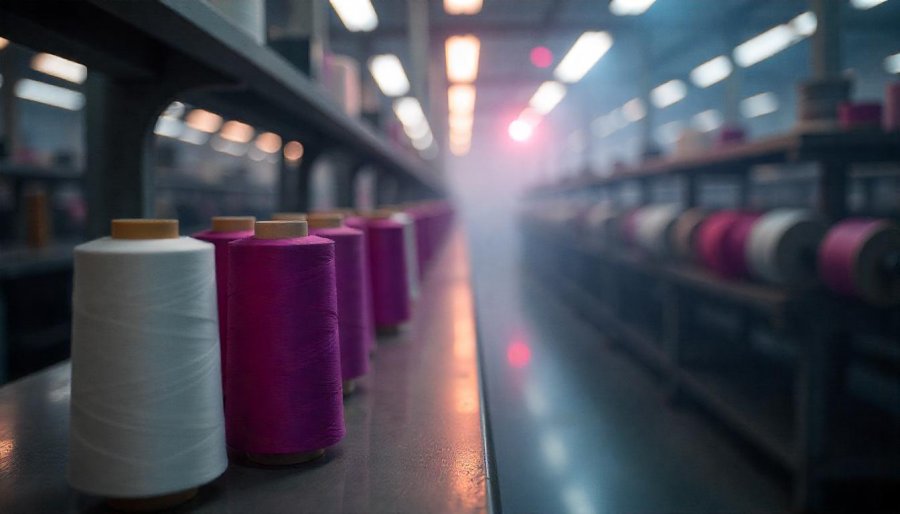
The Environmental Toll of Nylon: Pollution, Microplastics, and Ecosystem Damage
Nylon’s environmental challenges are extensive and affect nearly every stage of its lifecycle, from raw material extraction to waste disposal. The journey begins with the extraction of fossil fuels—primarily oil and natural gas—which are essential for producing nylon’s chemical building blocks. This process often involves disruptive drilling and mining operations that threaten ecosystems, pollute water sources, and displace wildlife. Once extracted, refining these hydrocarbons into the chemicals needed for nylon creates a cascade of pollution, including volatile organic compounds, sulfur oxides, and greenhouse gases. These emissions contribute directly to climate change and degrade air quality, impacting nearby communities and ecosystems alike.
The chemical synthesis of nylon is highly energy-intensive, relying heavily on fossil fuels to power high-temperature reactions under precise conditions. During manufacturing, large reactors facilitate the polycondensation process, where small molecules are linked into long, durable chains. This step consumes vast amounts of energy and releases pollutants such as greenhouse gases and volatile organic compounds into the atmosphere. Additionally, toxic waste and chemical byproducts are generated, posing risks if not properly managed. Improper disposal or accidental releases can contaminate water bodies and soil, creating long-term environmental hazards and health concerns for surrounding populations.
Beyond its production, nylon’s use phase exacerbates its environmental footprint. Every wash of nylon garments sheds tiny microplastic fibers—microfibers—that bypass filtration systems and flow into oceans, lakes, and rivers. Marine animals ingest these microplastics, mistaking them for food, leading to injury, reproductive issues, and disrupted ecosystems. These microfibers are virtually indestructible and persist in the environment for decades, fragmenting into smaller particles that contaminate soil and water. Over time, this persistent pollution accumulates, contributing significantly to the global plastic waste crisis and posing potential risks to human health through seafood consumption.
Disposal of nylon waste presents another major challenge. Its durability means it can linger in landfills for hundreds of years, slowly breaking down into microplastics that leach chemicals into the environment. These tiny particles infiltrate soil and water systems, where they are ingested by terrestrial and aquatic life alike. The long-lasting nature of nylon waste turns what once seemed like a convenient material into a persistent environmental contaminant. The cost and difficulty of managing this waste increase as landfills reach capacity, and microplastics continue their silent infiltration of ecosystems, often far from the original source of pollution.
The overarching issue ties back to nylon’s dependence on fossil fuels, which drives habitat destruction, pollution, and climate change. Oil drilling and natural gas extraction disturb delicate ecosystems, threaten wildlife, and pollute water sources. The chemical processes involved in nylon’s creation are energy-intensive, further amplifying greenhouse gas emissions. This cycle of resource extraction, chemical manufacturing, and waste generation perpetuates environmental degradation, making nylon a symbol of the broader challenges posed by petrochemical-based products. Addressing these issues requires a shift toward sustainable practices—such as recycling existing nylon, developing bio-based alternatives, and tightening pollution controls—that can help reduce nylon’s environmental impact without sacrificing its utility. Recognizing the full scope of nylon’s environmental footprint underscores the urgent need for industry innovation, stricter regulations, and consumer awareness to foster a more sustainable relationship with synthetic fibers.