Imagine relying on your car, only to be thwarted by a failing battery at the worst moment. Did you know that a simple routine check can prevent unexpected breakdowns and keep your vehicle reliably running? Mastering basic battery maintenance—such as inspecting terminals for corrosion, ensuring connections are tight, and monitoring charge levels—can significantly extend your battery’s lifespan. But are you making these checks part of your regular vehicle care? Establishing a simple, consistent routine empowers you to catch early signs of deterioration before they escalate into costly repairs or roadside emergencies. Regular inspections and quick tests provide peace of mind, turning what seems like a small task into a powerful safeguard for worry-free driving. With a little effort, you can transform the way you care for your car, ensuring it starts smoothly whenever you need it most, and avoiding the frustration of unexpected failure.

Mastering Essential Battery Care for Stress-Free Driving
Your car’s battery often goes unnoticed—until it suddenly fails and leaves you stranded. That’s why understanding how to care for it is essential to avoid those stressful moments. A well-maintained battery doesn’t just start your engine reliably; it also keeps your vehicle’s electrical systems running smoothly, from headlights to the radio. Taking a few simple steps for routine checks can prevent breakdowns and extend the life of this vital component, offering peace of mind every time you hit the road.
Think of your car battery as the heart of your vehicle’s electrical system. It supplies the power needed to turn the engine over and keeps features like lights, climate control, and entertainment functioning while you’re driving. When you turn the key or press the start button, the battery provides an initial burst of energy that gets the engine running. Once the engine is on, the alternator takes over, recharging the battery and powering the car’s electrical needs. Because the battery works quietly behind the scenes, it’s easy to forget about it until it fails unexpectedly—leaving you scrambling for solutions.
That’s where simple maintenance routines come into play. Regularly checking for corrosion, ensuring the terminals are tight, and monitoring the overall condition of the battery can make a big difference in preventing issues. Corrosion around the terminals appears as white or greenish deposits and can impair electrical flow, leading to starting problems. Cleaning these deposits with baking soda and water keeps connections clean and reliable. Securing the battery properly prevents vibrations that could damage internal components over time, helping it last longer and operate smoothly.
Monitoring the charge level is another straightforward step. Using a multimeter or dedicated battery tester, you can quickly assess whether your battery is holding its charge. When the engine is off, a healthy battery typically reads around 12.6 volts. If the voltage drops significantly below that—especially under 12 volts—it’s a sign that the battery might be weakening. Catching these signs early allows you to plan for a replacement before you’re stranded or facing costly repairs, making regular checks a smart habit for any driver.
By staying attentive and incorporating these simple maintenance steps into your routine, you can keep your vehicle dependable and ready for any journey. A little proactive care goes a long way in preventing unexpected breakdowns, saving you money, and providing peace of mind. Mastering these basic battery checks isn’t complicated—it’s a reliable way to ensure worry-free driving and keep your car performing at its best for years to come.

Decoding Battery Health Signs for Reliable Performance
A healthy car battery reliably starts your vehicle, maintains a steady charge, and shows minimal signs of wear or corrosion. When it’s in good shape, your engine fires up smoothly, and electrical features like headlights, the radio, and climate controls operate without hiccups. Recognizing the signs of a healthy battery can help you catch issues early and prevent unexpected breakdowns. Conversely, a deteriorating battery often reveals itself through sluggish starts, dimming lights, or electrical glitches, such as a malfunctioning radio or climate system. Keeping an eye on these signs allows you to address potential problems before they become costly repairs or roadside emergencies.
Batteries naturally weaken over time, typically lasting between three and five years depending on usage, climate, and maintenance habits. As they age, you might notice your car needing more cranking time, or the engine struggling to start. Visible damage, like swelling, cracks, or leaks, signals internal damage and calls for immediate attention. Corrosion around the terminals, which appears as white or greenish deposits, is a common sign that the internal chemistry is breaking down. This corrosion can impair electrical flow, making starting more difficult and reducing overall battery performance. Regular visual inspections help you spot these signs early and keep your battery functioning at its best.
Simple maintenance actions can significantly extend your battery’s lifespan. Regularly inspecting the terminals for corrosion and looseness is quick and effective. Cleaning off corrosion with a mixture of baking soda and water, along with a wire brush, restores a clean, conductive surface. Ensuring the battery is securely mounted prevents vibrations that can cause internal damage over time. If your vehicle shows signs of struggling to start or electrical components acting up, these routine checks often reveal the root cause. Addressing issues early saves you money and reduces the risk of being stranded unexpectedly.
Monitoring your battery’s charge level with a multimeter or dedicated tester is an easy, affordable step. When the engine is off, a healthy battery should read around 12.6 volts. Readings significantly below this—especially under 12 volts—indicate a weakening charge, which could lead to failure. Regular testing, especially before long trips or during cold weather, helps catch declining performance early. If you notice a persistent drop in voltage or difficulty starting, it’s a clear sign that the battery may need replacing soon. Staying ahead of these signs prevents inconvenience and keeps your vehicle reliable.
Understanding your battery’s health isn’t complicated. Paying attention to how your car starts, watching for dimming lights, or electrical issues can offer early clues about its condition. Routine visual inspections combined with simple voltage checks empower you to stay ahead of problems. These small, consistent efforts turn maintenance into a reliable form of prevention, ensuring your car remains dependable and ready whenever you need it. With awareness and regular care, you can keep your battery—and your peace of mind—intact for the long haul.
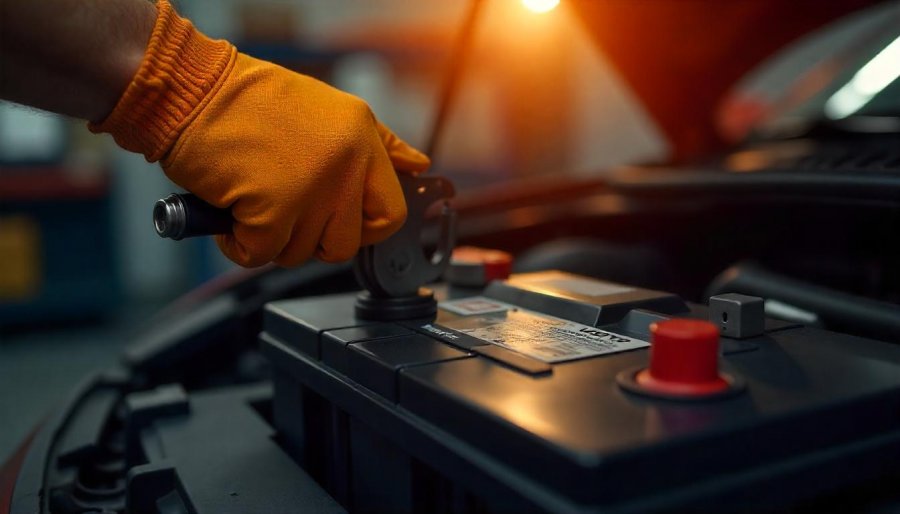
Creating a Simple Routine to Keep Your Battery in Top Shape
Establishing a routine system for checking your car battery doesn’t have to be complicated or time-consuming. The key is to make it a habit so it becomes second nature, seamlessly fitting into your regular vehicle care. Start by choosing a specific day each month—perhaps the first weekend or a mid-week evening—that works with your schedule. Mark it on your calendar or set a reminder on your phone. Consistency is what counts; the more often you check, the more familiar it becomes, and the easier it is to spot small issues before they grow into roadside emergencies.
Begin each check with a quick visual inspection of the battery terminals. Look for any signs of corrosion—those white or greenish deposits that can build up over time. If you notice any buildup, it’s simple to clean off using a mixture of baking soda and water, along with a wire brush. Clearing corrosion helps maintain a solid electrical connection, which is essential for reliable starts. Also, make sure the battery is securely mounted in its tray. Loose fittings can cause vibrations that may damage internal components over time, shortening the battery’s lifespan and leading to unexpected failures.
Next, check the battery’s charge level with a multimeter or a dedicated battery tester. When the engine is off, a healthy battery should read around 12.6 volts. If your reading is significantly lower—especially under 12 volts—it’s a sign that the battery is losing its ability to hold a proper charge. Conducting this simple test regularly, especially before long trips or during cold weather, can help you catch signs of decline early. Addressing these issues before they cause a breakdown saves you time, money, and stress later on.
Pay attention to how your vehicle responds during these routine checks. Notice if it takes longer than usual to start, if headlights seem dimmer, or if electrical features like the radio or climate controls act up. These signs often point to a weakening battery. Addressing them early—by cleaning terminals, tightening connections, or testing the voltage—can prevent unexpected failures at inconvenient times. Incorporating these observations into your routine transforms maintenance from a chore into an intuitive part of vehicle care.
To streamline the process, develop a simple checklist that covers key steps: inspecting terminals for corrosion, cleaning as needed, tightening connections, and testing the voltage. Keep this checklist in your glove box or attach it to your garage wall so you’re reminded each month. Over time, performing these checks becomes automatic, saving you effort and making it easier to maintain a clear picture of your battery’s health. Small, consistent actions add up, providing peace of mind and helping you avoid the stress of sudden breakdowns.
Remember, routine battery checks aren’t about complex procedures—they’re about consistent, attentive care. A few minutes each month can reveal early signs of trouble, giving you the chance to act before a small issue becomes a major problem. By making these checks a regular part of your vehicle maintenance, you’re not just preventing breakdowns—you’re ensuring worry-free driving whenever you hit the road. With a little discipline and awareness, keeping your battery in top shape becomes a simple, effective way to extend your vehicle’s reliability and your peace of mind.