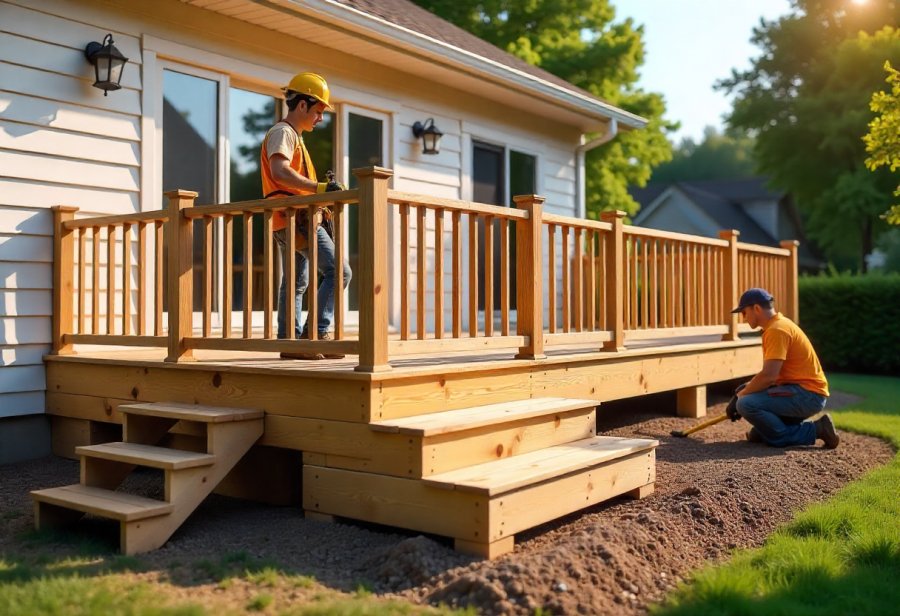
Transforming Toronto yards into inviting outdoor retreats is about more than just aesthetics—it’s a delicate balance of beauty, sustainability, and client satisfaction. As urban spaces evolve, homeowners seek outdoor environments that are not only visually stunning but also eco-friendly and resilient against Toronto’s climate. Native plants, sustainable materials, and thoughtful design principles foster landscapes that support regional ecosystems and require minimal maintenance. Yet, achieving this harmony involves careful assessment, strategic planning, and adaptive implementation. How can designers and homeowners create outdoor spaces that are both captivating and ecologically responsible? The answer lies in embracing innovative trends like smart irrigation, permeable surfaces, and personalized features, all rooted firmly in regional realities. As landscape practices advance, the challenge remains: how to craft outdoor retreats that stand the test of time, nurture well-being, and honor the environment—making every yard a lasting sanctuary of beauty and sustainability.
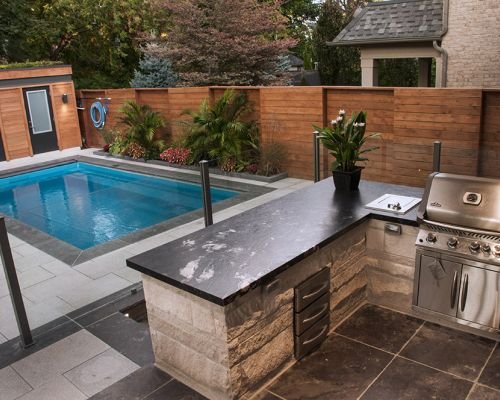
Transforming Toronto Yards into Inviting Outdoor Retreats
Transforming residential yards into inviting outdoor retreats has become a priority for Toronto homeowners seeking to make the most of their spaces. As urban living intensifies and indoor areas become more limited, outdoor spaces are evolving from simple grass patches into essential extensions of the home. These yards are no longer just for aesthetics—they’re places to relax, entertain, and reconnect with nature, making thoughtful design more important than ever.
Creating a beautiful outdoor retreat in Toronto involves balancing visual appeal with practicality. It’s about more than planting pretty flowers; it’s about designing spaces that are welcoming, functional, and sustainable. A well-planned yard can boost property value, provide a peaceful escape from city life, and support local ecosystems—all while standing up to Toronto’s distinct climate challenges.
Toronto’s cold winters and humid summers demand durable, adaptable landscaping. Native plants are key—they’re naturally suited to survive our weather with minimal fuss, requiring less water and maintenance. Incorporating them not only makes yards more resilient but also enhances regional biodiversity, transforming outdoor spaces into eco-friendly havens that thrive year-round.
Designing a successful yard starts with understanding each space’s unique conditions—soil, sunlight, drainage—and translating that knowledge into a clear vision. Whether homeowners want a low-maintenance garden, a family-friendly area, or a native plant sanctuary, a thoughtful approach ensures the final result is cohesive, inviting, and adaptable across seasons. From initial assessment to final touches, every step aims to create a landscape that reflects both personal style and regional ecology.
Ultimately, transforming a yard in Toronto is about more than aesthetics. It’s about creating spaces that support a sustainable lifestyle, foster well-being, and stand the test of time. When rooted in regional realities and ecological principles, these outdoor retreats become lasting, meaningful places that enrich daily life and the environment alike.
Core Principles for Sustainable and Beautiful Landscapes in Toronto
Creating a beautiful and sustainable outdoor space in Toronto starts with understanding some core landscape design principles that work well in our region. Balance is fundamental; evenly distributing visual weight across the yard helps create harmony and a natural flow. When plants, features, and furniture are thoughtfully arranged, the space feels inviting rather than cluttered, making it easier for homeowners to enjoy daily life or host gatherings.
Focal points are another key element. These are standout features like a striking tree, a water feature, or a sculpture that immediately draw the eye. When placed strategically, focal points anchor the design, providing visual interest and guiding the viewer’s gaze through the yard. This helps establish a cohesive look and prevents the space from feeling disjointed.
Flow plays a crucial role in landscape design. Pathways, plantings, and zones should connect seamlessly, encouraging movement that feels natural and intuitive. Well-designed pathways not only help visitors navigate easily but also make the yard appear larger and more accessible. Proper flow ensures the space supports both practical use and aesthetic appeal, making it more enjoyable year-round.
Native plants are central to sustainable landscaping in Toronto. These species are adapted to our cold winters and humid summers, requiring less water, fewer chemicals, and minimal maintenance. Incorporating native plants supports local biodiversity, making your yard more resilient and ecologically balanced. They tend to look more natural, blending seamlessly into the landscape and reinforcing a regional sense of place.
Eco-friendly practices extend beyond plant choices. Using sustainable materials like recycled pavers or reclaimed wood reduces environmental impact. Permeable surfaces help manage rainwater runoff, easing Toronto’s drainage challenges. These approaches not only make landscapes more durable but also foster healthier ecosystems, aligning beauty with environmental responsibility.
Designing with regional climate and native flora in mind ensures your yard remains resilient and attractive through every season. Resilient plants survive Toronto’s weather fluctuations with minimal fuss, saving time and resources. By integrating balance, focal points, flow, native planting, and sustainable materials, homeowners can craft outdoor spaces that are both stunning and eco-conscious—spaces that reflect the region’s character while supporting ecological health.
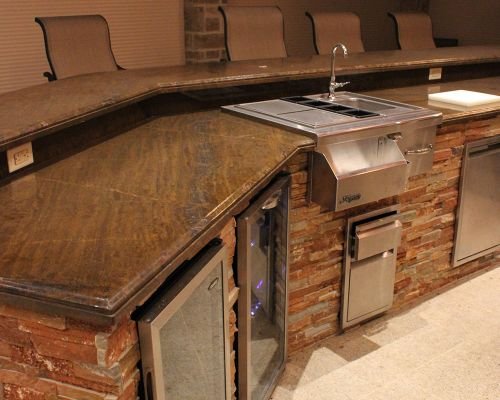
Effective Strategies for Yard Renovation Success
Transforming a yard into a beautiful, sustainable outdoor retreat begins with understanding the unique conditions of the space. Homeowners and designers should start by assessing soil quality, sunlight patterns, drainage, and existing plants. This initial step helps identify potential issues like poor drainage or unsuitable soil, allowing for smarter, tailored decisions throughout the process. Knowing these details ensures that every element—plant choices, hardscape materials, and layout—will thrive in Toronto’s climate and support long-term sustainability.
Once the site’s characteristics are clear, setting realistic goals keeps the project focused. Whether a homeowner desires a low-maintenance garden, a family-friendly space, or a native plant sanctuary, clarifying these priorities early on guides the design process. Gathering inspiration from local landscapes, magazines, or online sources helps refine the vision, making the final plan both achievable and aligned with personal preferences.
Developing a detailed design plan is the next crucial step. This goes beyond selecting plants and materials; it involves creating a blueprint that balances beauty, function, and eco-friendliness. Sketches or digital renderings help visualize how different elements will come together, emphasizing good flow—paths that guide naturally, focal points that draw the eye, and plantings that create harmony. When each component supports the overall concept, the yard feels cohesive and inviting.
Implementation requires careful coordination. Clearing the site, grading the soil, and preparing foundations set the stage for planting and hardscape installation. Regular communication between designers, contractors, and homeowners helps catch issues early and prevent delays. Quality checks at each stage ensure the project stays on track, transforming plans into a seamless, polished landscape.
Eco-friendly practices should be integrated at every phase. Reusing materials like reclaimed wood or recycled pavers minimizes environmental impact. Installing permeable paving helps manage rainwater runoff, easing Toronto’s drainage challenges. Selecting native plants suited to the local climate reduces watering and maintenance needs, making the landscape more resilient and easier to care for over time.
Flexibility during construction can be a game-changer. Unexpected issues—such as soil conditions differing from initial assessments or supply delays—require adaptable solutions. Staying open to adjustments and maintaining clear communication help keep the project moving smoothly. Regular site visits and quick responses to challenges ensure the finished yard aligns with the original vision and accommodates unforeseen circumstances, resulting in a durable, beautiful outdoor space that truly fits the homeowner’s lifestyle.
Practical Steps to Planning and Executing Outdoor Makeovers
Planning a yard transformation begins with a clear-eyed assessment of the space. Homeowners and designers should evaluate soil quality, sunlight exposure, drainage, and the condition of existing plants. Understanding these factors early helps identify potential issues, like poor drainage or unsuitable soil, which can be addressed before moving forward. This step ensures that every design decision—plant selection, hardscape choices, and layout—aligns with the environment, setting the stage for a successful transformation.
Once the site conditions are understood, setting realistic goals keeps the project focused. Whether the aim is a low-maintenance garden, an entertaining area, or a native plant haven, clarifying priorities from the start directs the entire process. Gathering inspiration from local landscapes, magazines, or online ideas refines the vision, making it achievable and aligned with personal tastes. Clear goals help prevent scope creep and keep the project on track.
Developing a detailed design plan follows. This isn’t just about choosing plants or materials; it’s about creating a comprehensive blueprint that balances aesthetics, functionality, and eco-friendliness. Visual tools like sketches or digital renderings help homeowners see how different elements will come together. Emphasizing good flow—paths that guide naturally, focal points that attract the eye, and harmonious plantings—ensures the yard feels cohesive and inviting rather than disjointed.
Implementation requires careful coordination and communication. Clearing the site, grading the soil, and preparing foundations set the groundwork for planting and hardscape installation. Regular updates and collaboration between designers, contractors, and homeowners help catch issues early, preventing delays and costly mistakes. Maintaining quality checks throughout each stage guarantees the project remains aligned with the plan, turning a raw space into a polished landscape.
Eco-friendly practices should be woven into every step. Reusing materials like reclaimed wood or recycled pavers minimizes environmental impact, while permeable paving manages rainwater runoff effectively. Selecting native plants suited to Toronto’s climate reduces watering needs and maintenance, boosting resilience. These choices create a landscape that’s not only beautiful but sustainable, supporting regional ecosystems and reducing ongoing effort. The result is a space that looks great and operates efficiently over time.
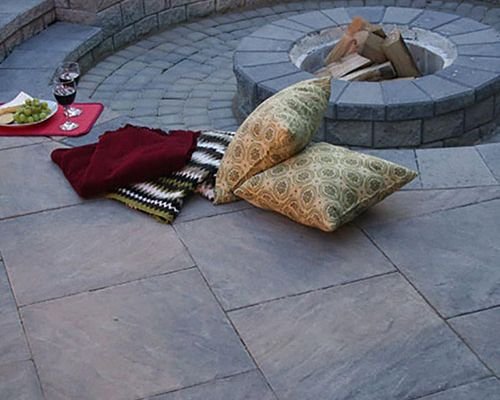
Future Trends and Lasting Insights for Toronto Landscapes
As landscape practices evolve, the focus on blending innovation with sustainability continues to shape successful yard transformations in Toronto. New technologies like smart irrigation systems, permeable paving, and eco-friendly materials make it easier to craft outdoor spaces that are both beautiful and environmentally responsible. These advancements help homeowners reduce water consumption, lower maintenance needs, and support local ecosystems—all while creating visually striking landscapes that stand the test of time.
Homeowners are increasingly seeking personalized outdoor retreats that combine natural beauty with modern convenience. Features such as integrated lighting, outdoor kitchens, and smart connectivity are becoming more common, transforming yards into extensions of everyday life. This trend reflects a desire not just for aesthetic appeal but for functional spaces that encourage more outdoor activity, relaxation, and social connection, all tailored to individual lifestyles.
Staying adaptable will be key to long-term success amid these shifting trends. As new ideas and technologies emerge, designers and homeowners must remain open to experimenting with approaches suited to Toronto’s unique climate and ecological conditions. Embracing innovation while respecting regional realities ensures outdoor spaces remain resilient, vibrant, and sustainable for decades to come.
Native plants and eco-conscious materials will continue to influence landscape design in Toronto. They offer practical solutions for supporting biodiversity, conserving resources, and maintaining low-maintenance gardens that thrive naturally. This approach aligns with regional efforts to promote environmental health, enabling homeowners to enjoy lush, colorful yards without excessive effort or expense. It also fosters a deeper connection to the local landscape, reinforcing regional identity.
Looking ahead, digital tools and smart technologies will further transform how landscapes are designed and maintained. Virtual design platforms, remote irrigation controls, and real-time monitoring systems will make planning and upkeep more precise and accessible. These innovations not only enhance the quality of final landscapes but also encourage ongoing sustainable practices, extending the beauty and health of outdoor spaces well into the future.
The key to resilient, inspiring outdoor retreats in Toronto lies in balancing innovation with ecological responsibility. When design strategies are rooted in regional needs and ecological balance, yards become more than just beautiful spaces—they turn into sustainable retreats that support wellbeing and environmental health. By embracing these principles, homeowners and designers can create outdoor environments that are as enduring as they are inspiring, ensuring that every yard remains a vibrant, welcoming sanctuary for years to come.