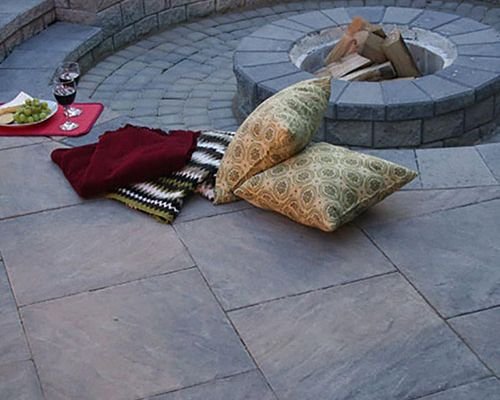
Transforming Toronto yards into stunning, sustainable retreats is more than just planting greenery—it’s about balancing beauty with environmental responsibility. As urban challenges grow, homeowners and designers are turning to eco-friendly practices that support local ecosystems, conserve resources, and create resilient outdoor spaces. The future of landscape design in Toronto hinges on native plants, stormwater management, and innovative materials that enhance both aesthetic appeal and ecological health. But how can these principles be seamlessly integrated into everyday life? As technology advances, so does the potential for smarter, more adaptable yards that foster biodiversity and withstand climate shifts. Will our outdoor spaces evolve into self-sustaining havens that reflect our environmental values while enriching our lifestyles? The answer lies in thoughtful planning, collaborative design, and a commitment to long-term resilience—transforming ordinary yards into vital, vibrant landscapes that serve both people and nature.
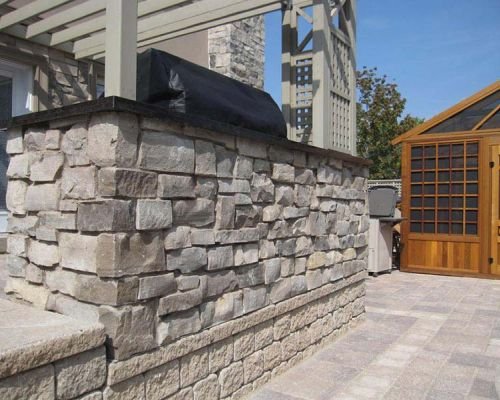
Transform Your Toronto Yard Into a Sustainable Sanctuary
Creating outdoor spaces that are both beautiful and sustainable has become a central focus for homeowners and landscapers in Toronto. As the city continues to grow and face environmental challenges, designing yards that blend aesthetics with eco-friendly practices is more important than ever. A thoughtfully crafted outdoor area can transform a simple backyard into a personal retreat while supporting local ecosystems and conserving resources.
Transforming Toronto yards goes beyond planting greenery or laying paving stones. It involves creating environments that reflect individual tastes yet prioritize resilience and ecological health. Increasingly, homeowners want gardens that look great and also help manage water, support wildlife, and require less maintenance. Incorporating native plants, stormwater management features, and sustainable materials makes these goals achievable.
This shift toward eco-conscious design isn’t just a passing trend; it aligns with Toronto’s broader efforts to promote sustainability and urban green spaces. Well-designed outdoor areas can reduce urban heat, improve air quality, and even boost mental well-being. As residents seek to make their homes more environmentally friendly, the focus on yard transformations that balance beauty and responsibility continues to grow.
Understanding Toronto’s unique climate is key. With cold winters and humid summers, choosing native plants and weather-resistant materials ensures the landscape remains vibrant year-round. Features like rain gardens and permeable paving naturally manage stormwater, reducing runoff and erosion. These strategies make yards more sustainable and easier to care for over time.
Effective yard transformation starts with clear communication and collaboration between homeowners and designers. Developing a plan that reflects personal style while incorporating environmental principles ensures each project is tailored, functional, and resilient. This partnership helps yards withstand Toronto’s changing weather and ecological demands, creating outdoor spaces that truly serve their owners.
Prioritizing sustainability alongside aesthetics turns yards into more than just beautiful backgrounds. They become functional retreats that enhance quality of life, support local biodiversity, and contribute to Toronto’s green future. This integrated approach makes yard transformations meaningful parts of responsible living in the city.
As we explore the core principles of sustainable landscape design, it’s clear that thoughtful planning and eco-friendly practices form the foundation of successful transformations. Balancing beauty with sustainability sets the stage for outdoor spaces that are inspiring, resilient, and capable of thriving in Toronto’s dynamic environment.
Core Principles That Power Eco-Friendly Landscape Design
Sustainable landscape design is rooted in a handful of core principles that guide the creation of outdoor spaces that are both beautiful and environmentally responsible. At the heart of these principles is the use of native plants, which are naturally adapted to Toronto’s climate. They require less water, fertilizers, and maintenance, making them a resource-efficient choice that supports local wildlife and promotes resilience. Incorporating native species helps create gardens that thrive year-round, reducing the need for chemical interventions and excessive watering.
Water management is another critical element. Techniques such as rainwater harvesting, smart irrigation systems, and rain gardens help handle stormwater naturally. These methods reduce runoff, prevent erosion, and lower water bills, all while making landscapes more resilient to Toronto’s seasonal fluctuations. Using permeable materials like recycled pavers or gravel allows rainwater to seep into the ground, supporting groundwater recharge and minimizing the risk of urban flooding.
Eco-friendly materials further reinforce sustainability. Recycled, locally sourced, and permeable options not only lessen environmental impact but also lend a natural look that complements native plantings. These materials support water infiltration and soil health, creating a cohesive aesthetic that emphasizes harmony with the environment. Choosing sustainable pathways, patios, and outdoor furnishings ensures the landscape remains low-impact over time.
Designing for biodiversity is essential. Planting a variety of native flowers, shrubs, and trees attracts pollinators like bees and butterflies, enhancing local ecosystems. Creating habitats such as birdhouses or insect hotels adds ecological layers, transforming yards into vibrant mini-ecosystems. These practices not only elevate visual appeal but also help restore ecological balance within urban settings.
Soil health often gets overlooked but is fundamental to sustainable landscaping. Healthy soil supports vigorous plant growth with fewer chemical inputs. Techniques like composting, mulching, and avoiding soil compaction naturally improve soil quality. When soil is rich and balanced, plants become more resistant to pests and drought, reducing maintenance and extending the lifespan of the landscape.
Energy-efficient features such as solar lighting or outdoor heaters complement these principles. These elements cut down on energy consumption and support a greener lifestyle. When integrated with native plants, water-saving strategies, and sustainable materials, they help craft outdoor spaces that are not only beautiful but also aligned with Toronto’s environmental goals.
By adhering to these foundational principles, landscape designers and homeowners can create outdoor environments that are resilient, functional, and visually appealing. This approach fosters a seamless balance between aesthetic appeal and ecological responsibility, ensuring each yard transformation enhances both the environment and the homeowner’s experience.
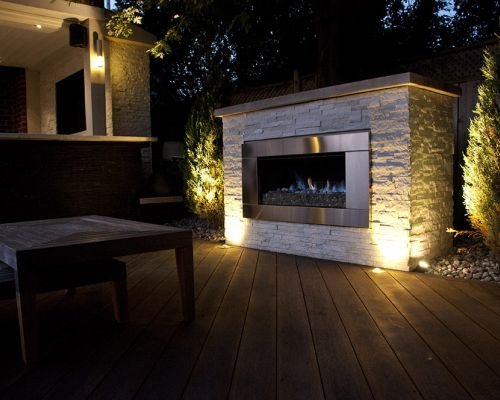
Turning Green Ideas Into Reality: Practical Strategies for Sustainable Landscaping
Turning sustainable landscape ideas into a thriving outdoor space begins with thoughtful planning. Start by thoroughly assessing the site—examine soil quality, observe sunlight patterns, and identify natural features like slopes or existing vegetation. This understanding guides decisions on plant placement, material selection, and design layout, ensuring the project aligns with both environmental goals and the homeowner’s vision. Developing a detailed plan that emphasizes native plants, water-efficient systems, and eco-friendly materials lays a strong foundation for success.
During implementation, attention to detail is crucial. Proper planting techniques—such as correct depth, spacing, and soil preparation—support healthy, resilient growth. Installing efficient irrigation systems like drip lines or rain sensors conserves water while maintaining plant health. Using recycled or locally sourced materials for paving and outdoor structures reduces environmental impact and enhances the landscape’s natural aesthetic. Precise execution during installation ensures the landscape remains durable and easy to maintain over time.
Clear communication with clients throughout each phase keeps the project aligned with expectations. Sharing visual plans, progress updates, and being receptive to feedback allows for adjustments that better support sustainability principles and personal style. This collaborative approach minimizes surprises and ensures the final result reflects both the homeowner’s preferences and eco-conscious objectives. Flexibility during installation helps address unforeseen site conditions or challenges, allowing for creative solutions that maintain environmental integrity.
Focusing on durability and low-maintenance features creates landscapes that stay beautiful with minimal effort. Selecting hardy, climate-appropriate plants reduces the need for frequent watering or replacements. Incorporating permeable paving and natural mulches supports stormwater management naturally, preventing erosion and enriching soil health. These choices contribute to a landscape that remains vibrant and functional over the long term, with less ongoing intervention.
Sustainable landscaping doesn’t end once installation is complete. Regular maintenance—such as seasonal pruning, watering, and soil enrichment—keeps plants healthy and the space visually appealing. Educating homeowners on simple, eco-friendly practices empowers them to care for their yard responsibly, extending the project’s positive impact. This ongoing attention ensures the landscape continues to support ecological health while fulfilling aesthetic and functional expectations.
When design and installation work seamlessly together, the result is a resilient outdoor space that balances beauty with environmental responsibility. Every element, from native plantings to eco-friendly materials, contributes to a landscape that is both stunning and sustainable. This harmony between form and function creates a retreat that enriches the homeowner’s lifestyle and supports Toronto’s ecological health, demonstrating that thoughtful, eco-conscious design can truly transform outdoor spaces into lasting, vibrant environments.
Applying Eco-Conscious Practices to Real-World Projects
Applying sustainable landscape principles in a real project begins with a thorough site assessment. Understanding the soil quality, natural drainage patterns, sunlight exposure, and existing features allows designers and homeowners to make informed decisions about plant choices, placement, and materials. This initial step ensures the design aligns with environmental goals while reflecting the homeowner’s vision, creating a strong foundation for success.
Once planning is complete, attention to detail during execution becomes crucial. Proper planting techniques—such as planting at the correct depth, maintaining appropriate spacing, and preparing the soil—support healthy, resilient growth. Installing efficient irrigation systems like drip lines or rain sensors conserves water and reduces waste, keeping plants well-hydrated with minimal effort. Using recycled or locally sourced materials for paving and outdoor structures not only reduces environmental impact but also enhances the landscape’s natural aesthetic.
Clear communication with clients throughout each phase helps keep the project on track and aligned with expectations. Sharing visual plans, progress updates, and being open to feedback allows for adjustments that better support sustainability principles and personal style. Flexibility during installation is essential, as unforeseen site conditions or challenges may require creative solutions, ensuring the project remains true to its ecological and aesthetic intent.
Focusing on durability and low-maintenance features creates landscapes that stay vibrant with less effort. Choosing hardy, climate-appropriate plants reduces the need for frequent watering or replacements. Incorporating permeable paving and natural mulches supports stormwater management naturally, preventing erosion and improving soil health. These thoughtful choices contribute to a landscape that remains attractive and functional over time with minimal ongoing intervention.
Sustainable landscaping doesn’t end once installation wraps up. Regular maintenance—such as seasonal pruning, watering, and soil enrichment—keeps plants healthy and the space looking its best. Educating homeowners on simple, eco-friendly practices empowers them to care for their yard responsibly, extending the project’s positive impact. This ongoing attention ensures the landscape continues to support ecological health while fulfilling aesthetic and functional needs.
Seamless coordination between design and installation results in a resilient outdoor space that balances beauty with environmental responsibility. Every element, from native plantings to eco-friendly materials, plays a role in creating a landscape that is both stunning and sustainable. This harmony between form and function transforms yards into retreats that enrich daily life and contribute to Toronto’s ecological resilience.
Finally, adaptability is key to long-term success. As conditions change, flexible features like modular planting beds, green walls, or adjustable water features help landscapes evolve without losing their sustainability edge. Maintaining open dialogue throughout the project and beyond allows for ongoing adjustments, ensuring the yard remains vibrant, functional, and aligned with ecological principles for years to come.
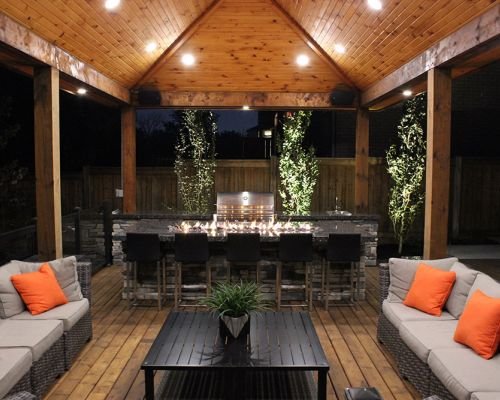
Future Visions: Innovations Shaping Toronto’s Green Outdoor Spaces
Looking ahead, the future of sustainable landscape design in Toronto is poised to be both innovative and transformative. Advances in technology are making it easier for homeowners and designers to incorporate smart solutions, such as irrigation systems that automatically adjust watering based on weather conditions and soil moisture levels. These tools not only conserve water but also ensure plants receive exactly what they need, making eco-friendly practices more effective and accessible.
Beyond technology, there’s a growing emphasis on regenerative practices that actively restore soil health and foster biodiversity. Future designs aim to go beyond mere sustainability, focusing on revitalizing ecosystems and creating healthier habitats for native plants and wildlife. This shift reflects a deeper understanding of how outdoor spaces can contribute positively to urban ecology, transforming yards into vibrant, resilient environments that support local biodiversity.
Design trends are increasingly blending natural elements with smart solutions. Native plants will remain foundational, thriving naturally in Toronto’s climate and requiring less maintenance over time. Rainwater harvesting systems and permeable paving will continue to grow in popularity, helping manage stormwater locally and reducing the risk of erosion. These features do more than serve functional needs—they enhance aesthetic appeal by integrating seamlessly into the landscape’s natural look and feel.
As climate challenges intensify, landscape design will become more adaptive and responsive. Expect to see modular features like flexible seating, green walls, and innovative water elements that can be tailored to evolving needs. New materials, such as recycled composites and biodegradable options, will support sustainability without sacrificing durability or style. This adaptability ensures yards remain beautiful and functional, even as environmental conditions shift.
Community involvement and local policies will play an increasingly influential role. Regulations that encourage eco-friendly practices will promote wider adoption of green infrastructure. Shared spaces designed to foster biodiversity and social connection will become more common, turning yards into communal and ecological assets. These developments aim to create landscapes that prioritize ecological health while reflecting personal and community identities.
Designers will also embrace a balanced approach that integrates cutting-edge technology with foundational principles like native planting, resource conservation, and soil health. The goal is to develop outdoor environments that are not only visually stunning but also resilient, low-impact, and capable of adapting to Toronto’s evolving climate. This ongoing innovation pushes yards beyond traditional boundaries, transforming them into smarter, greener retreats.
Every project becomes an opportunity to advance sustainability, ensuring outdoor spaces thrive well into the future. As homeowners grow more conscious of their ecological footprint, their yards will serve as living proof that beauty and responsibility can coexist. The future landscape of Toronto’s outdoor spaces will be defined by thoughtful adaptation, where technology, ecology, and design come together to create resilient, inspiring retreats for generations to come.