Discover how customized telephony solutions are transforming business communication—are you unlocking the full potential of Grandstream’s innovative devices? This guide explores how tailored systems, seamlessly integrating advanced IP phones like the GRP series with centralized management via GDMS, can streamline workflows, boost efficiency, and enhance customer interactions. As organizations grow more complex, the importance of adaptable, secure, and scalable communication tools becomes clear—offering smarter call routing, real-time monitoring, and effortless deployment across multiple locations. Real-world case studies highlight tangible benefits, from retail to healthcare, illustrating that personalized setups lead to faster service, fewer errors, and improved collaboration. But with future trends pointing toward AI, IoT, and 5G-driven high-quality multimedia communication, the question remains: are your current systems prepared to evolve? Embracing these innovations today ensures your organization remains competitive, responsive, and ready for the future of intelligent, hybrid communication environments.
Transforming Business Communication with Customized Telephony Solutions
Customized telephony solutions are changing the way businesses communicate by offering systems tailored precisely to their unique needs. Instead of relying on one-size-fits-all setups, these solutions focus on optimizing key features like call routing, voicemail management, and conferencing to fit the way a company operates daily. Whether a retail store needs quick access to customer data or a healthcare provider requires secure, compliant channels, personalized systems make interactions smoother, faster, and more reliable.
As organizations grow and evolve, the importance of adaptable communication tools becomes even clearer. Customized telephony not only enhances call quality but also streamlines workflows by integrating seamlessly with existing software such as CRM and ERP systems. This integration allows staff to access critical information during calls, reducing errors and saving valuable time. The right tailored setup helps organizations respond swiftly to customer needs, improve internal collaboration, and stay competitive in a fast-paced business landscape.
Choosing the right devices and management platforms is fundamental to successful deployment. Grandstream offers a versatile range of IP phones designed for scalability and flexibility, supporting a variety of business sizes and requirements. Their cloud-based management system, GDMS, simplifies the process by enabling remote configuration, updates, and monitoring. This centralized control makes large-scale rollouts across multiple locations straightforward, reducing on-site support and ensuring consistency in performance and security.
Strategic planning is key when implementing customized telephony solutions. Starting with a clear assessment of your organization’s specific communication pain points ensures the system addresses real needs. Phased implementation allows for testing and adjustments, minimizing disruptions and encouraging user adoption. Training staff on new features and encouraging personalization further enhances the system’s effectiveness, leading to increased productivity and better service delivery.
In the long run, these tailored solutions can adapt to your organization’s changing demands. As your business expands or shifts focus, your telephony infrastructure can scale and evolve accordingly, supported by tools like GDMS. This flexibility ensures your communication environment remains aligned with your operational goals, helping you maintain a strategic edge. Ultimately, customized telephony isn’t just about technology—it’s about creating smarter, more responsive communication that drives growth and success.
Empowering Connectivity with Grandstream Devices and Technologies
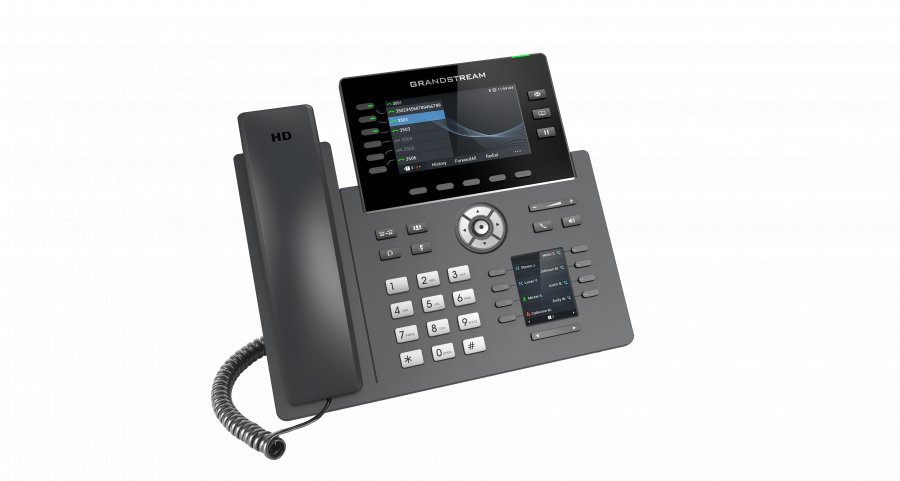
Grandstream’s range of telephony devices plays a vital role in enabling highly customizable business communication systems. Their IP phones, especially the GRP series, are engineered for flexibility and large-scale deployment, making it easy for organizations of all sizes to tailor their setups to specific needs. These devices feature high-resolution displays, programmable keys, and support multiple voice codecs, ensuring clear and efficient communication tailored to unique workflows.
One of the key strengths of Grandstream devices is their compatibility with cloud management platforms like GDMS. This centralized system allows administrators to configure, update, and monitor hundreds or even thousands of phones remotely. Such streamlined management simplifies large-scale rollouts, minimizes on-site support, and ensures devices are always running the latest features and security updates. This approach provides a level of control that keeps deployments consistent and secure across multiple locations.
Supporting Power over Ethernet (PoE), Grandstream devices are quick to install and easy to relocate. PoE eliminates the need for separate power supplies, reducing clutter and simplifying wiring. This feature is especially beneficial when deploying multiple phones across various sites, enabling fast setup and flexibility as your organization evolves. The hardware’s durability and built-in network optimization features, like Quality of Service (QoS), ensure that voice traffic remains crisp and uninterrupted, even during busy network periods.
Beyond basic calling functions, many models support video capabilities and multiple lines, allowing businesses to expand their communication channels without hardware replacements. Security features, including encrypted calls and authentication protocols, make these devices suitable for sensitive environments such as healthcare or finance. The modular design also supports gradual upgrades, letting organizations start with essential models and scale as their needs grow.
Integration with existing business applications enhances the usability of Grandstream devices. They can connect seamlessly with CRM and ERP systems, providing context-aware calling and quick access to vital information. Customizable interfaces and programmable keys enable users to personalize their devices for maximum productivity, fitting into broader strategies to improve communication efficiency and user satisfaction.
Robust hardware combined with cloud management tools simplifies large-scale deployment and ongoing maintenance. Businesses can quickly roll out uniform devices across multiple sites, confident that security policies and configurations are consistent. This scalability supports growth without sacrificing control or performance, turning a hardware upgrade into a strategic advantage.
Ultimately, Grandstream’s telephony devices form the backbone of tailored, reliable, and scalable communication systems. Their thoughtful design, security features, and management capabilities make them ideal for organizations seeking to craft personalized, future-proof communication environments. Leveraging these tools allows businesses to adapt swiftly to changing demands while maintaining high standards of call quality and security.

Strategic Steps for Effective Implementation of Customized Telephony Systems
Deploying customized telephony systems begins with a clear understanding of your organization’s specific communication needs. Start by analyzing current workflows, identifying pain points, and pinpointing features that will deliver tangible improvements—be it smarter call routing, quick access to customer data, or secure channels. This foundation ensures that the chosen devices and management tools align perfectly with your operational goals, avoiding costly mismatches down the line.
Once your needs are defined, selecting the right Grandstream devices becomes straightforward. Their scalable IP phones and cloud management platform, GDMS, are designed to support organizations of all sizes. A phased rollout approach minimizes disruptions; begin with a small deployment, gather user feedback, and adjust as needed before expanding. This gradual process helps staff adapt comfortably and ensures the system is fine-tuned to actual usage patterns.
Centralized management tools like GDMS are essential for maintaining consistency across multiple locations or large fleets. They allow remote configuration, firmware updates, and troubleshooting, significantly reducing the need for on-site support. Regular security patches and updates keep the system safe and reliable without interrupting daily operations. This centralized control simplifies long-term maintenance and ensures your communication infrastructure scales smoothly with your business.
Training staff effectively boosts system adoption and maximizes benefits. Clear instructions on features like voicemail, speed dials, and conference calls help users get the most out of their devices. Encouraging personalization of interfaces not only improves usability but also fosters confidence and efficiency. When employees understand how to leverage their tools fully, internal workflows become more streamlined, and customer interactions improve.
Monitoring the system’s performance and gathering ongoing feedback are vital for sustained success. Use analytics to spot call bottlenecks, identify usability issues, and uncover opportunities for improvement. Regular check-ins with staff help address concerns early and adapt features to evolving needs. This proactive approach transforms your telephony setup into a dynamic, adaptable asset that supports growth and operational excellence.
Planning for future growth and technological advances is crucial. As your organization expands or industry standards shift, your telephony system should evolve seamlessly. A strategic approach—focused on assessment, device selection, management, and continuous support—ensures your communication environment remains flexible, secure, and aligned with your long-term goals. This ongoing process turns your initial investment into a resilient foundation for future success.
Real-World Success Stories: How Organizations Leverage Tailored Solutions
Many organizations have seen firsthand how tailored telephony solutions can transform daily operations. A retail chain, for instance, implemented personalized Grandstream IP phones across its stores, equipping them with quick-access buttons for customer data and support lines. This setup simplified customer service, reduced wait times, and boosted overall satisfaction. Employees could connect to support channels swiftly, creating a smoother shopping experience and more efficient service.
In healthcare settings, clinics adopted Grandstream’s secure, HIPAA-compliant devices, enabling encrypted calls and seamless integration with their CRM systems. This not only protected patient confidentiality but also improved staff coordination. Medical professionals accessed patient records during calls effortlessly, speeding up diagnoses and enhancing patient care. The result was a more streamlined workflow, fewer errors, and less administrative hassle, allowing healthcare providers to serve more patients effectively.
Manufacturing companies managing multiple large facilities also benefited from deploying Grandstream’s mass deployment devices. Centralized management through GDMS allowed IT teams to configure and monitor hundreds of phones across different sites from a single dashboard. This quick setup facilitated rapid scaling without compromising security or call quality. As internal communication strengthened, downtime decreased, and production workflows became more seamless, supporting overall operational efficiency.
These real-world examples highlight how customization directly addresses industry-specific needs. Retailers enjoy faster, customer-focused communication; healthcare providers prioritize secure, compliant channels; manufacturers require reliable internal networks. Tailored setups led to measurable improvements—shorter wait times, fewer errors, and better team collaboration—demonstrating that strategic telephony investments pay off in tangible ways.
Seeing these successes underscores that investing in customized telephony isn’t just a tech upgrade; it’s a strategic move. Aligning communication systems with operational needs drives growth, enhances service quality, and boosts internal efficiency. When organizations leverage solutions like Grandstream’s flexible devices and management tools, they build resilient, future-ready communication environments that support long-term success.

Future Trends Shaping Intelligent and Personalized Telephony Ecosystems
Future developments in telephony are shaping a more intelligent and adaptable communication landscape. Artificial intelligence is increasingly embedded into systems, enabling smarter call routing, voice recognition, and personalized user experiences that learn and improve over time. This evolution allows businesses to deliver more relevant, efficient interactions, reducing wait times and elevating customer satisfaction. AI-driven analytics also offer deeper insights into call patterns and employee performance, empowering companies to refine their communication strategies with greater precision.
Meanwhile, the expansion of the Internet of Things (IoT) is opening new possibilities for interconnected communication. Telephony devices will soon seamlessly connect with other smart systems within a business, such as security cameras, access controls, and automation tools. This interconnectedness streamlines workflows and automates routine tasks, freeing staff to focus on higher-value activities. Imagine a scenario where a device automatically adjusts call routing based on occupancy sensors or security alerts—these integrations will become more common as IoT’s presence grows.
The user interfaces of telephony devices are also set to undergo significant changes. Touchless controls, voice commands, and customizable dashboards will make devices more intuitive and accessible. Such advances improve usability, allowing users to tailor their experience based on roles and preferences. For example, a sales team member might access CRM data through voice commands, while a technician personalizes their device for troubleshooting—both enhancing efficiency and user satisfaction.
With the rollout of 5G networks worldwide, the potential for high-quality, real-time video calls and richer data sharing will expand dramatically. Faster, more reliable connections will support seamless multimedia communication, making remote collaboration feel more natural. This evolution enables organizations to blend voice, video, and data flows that align closely with their workflows, creating more dynamic and responsive communication channels.
These innovations are pushing organizations toward highly personalized, efficient, and intelligent communication ecosystems. Companies that stay ahead by integrating emerging tools will be better positioned to serve customers, foster internal collaboration, and adapt swiftly to industry shifts. Embracing these trends early ensures your telephony infrastructure remains future-proof, scalable, and capable of supporting increased customization.
Investing in future-ready telephony solutions means more than just keeping pace; it’s about gaining a strategic edge. Partnering with providers like Grandstream, which focus on integrating these advanced features into their devices and management platforms, will be essential. Building flexible, adaptable infrastructure now prepares your business to incorporate new technologies seamlessly as they become available, without disrupting current operations.
Looking ahead, the goal is to create communication environments that are not only scalable and secure but also deeply personalized and intelligent. Organizations that proactively adopt these innovations will find their systems evolving from basic tools into powerful assets supporting growth, innovation, and competitive advantage. Staying curious and open to new developments will keep your communication infrastructure resilient, efficient, and ready for whatever the future holds.