In an age dominated by screens and digital connection, could the simple act of tending a garden together unlock deeper bonds and foster emotional healing? This compelling exploration reveals how shared outdoor activities go beyond planting flowers or vegetables—they create moments of patience, teamwork, and honest communication. Historically rooted in community and therapeutic traditions, gardening has evolved into a modern tool for reducing stress, boosting mood, and strengthening relationships. Whether in a backyard, balcony, or community space, small, manageable projects like herb pots or vegetable patches can serve as powerful rituals of connection. As we nurture living things side-by-side, we cultivate trust, resilience, and mutual care—reminding us that growth takes time, both in plants and in relationships. Could embracing these shared routines help bridge the emotional distance created by technology, turning gardening into a timeless pathway for healing and human connection?
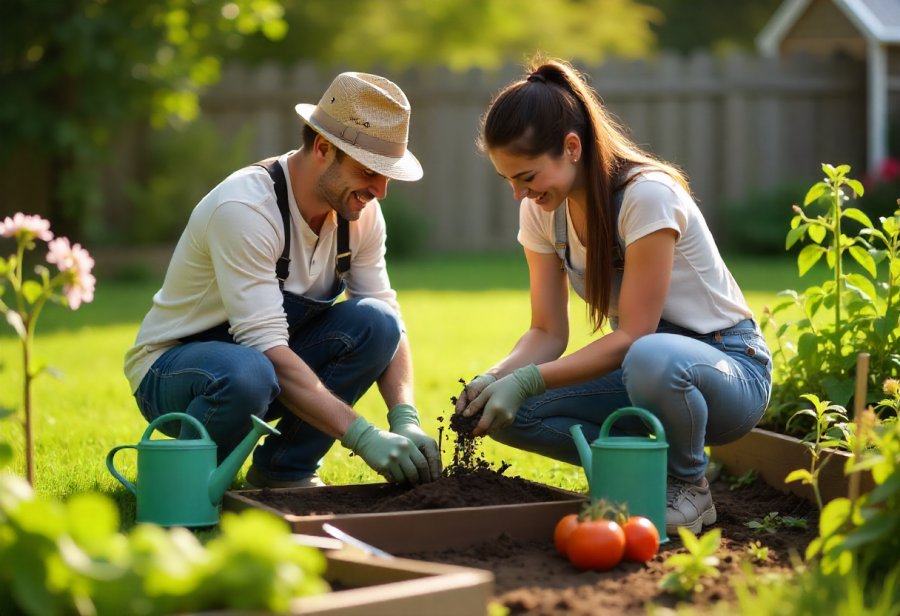
Reconnecting in a Digital Age: The Power of Gardening Together
In today’s fast-paced digital world, it’s easy to feel disconnected from those around us. We spend hours scrolling through social media, replying to messages, or watching screens, often at the expense of meaningful face-to-face interactions. This constant exposure to technology can create a sense of distance, even among people who care deeply for each other. Amid this noise, a simple activity like gardening together offers a grounding way to reconnect and rebuild those bonds.
Sharing a garden project isn’t just about planting flowers or vegetables; it’s about creating space for patience, teamwork, and honest conversation. When we work side-by-side in the soil, we engage our senses and focus on the present moment. These shared efforts—planting seeds, watering rows, tending to growth—become opportunities for genuine connection without the need for elaborate words or explanations.
Gardening as a bonding activity is surprisingly accessible. Whether you have a backyard, a balcony, or access to a community garden, it can be adapted to different spaces and lifestyles. It’s a low-pressure way to spend quality time together, fostering trust and understanding through shared effort. Even small projects, like container gardens or herb pots, can serve as meaningful rituals that bring people closer.
Beyond the activity itself, gardening taps into the restorative power of nature. Being outdoors, working with your hands, and nurturing living things helps reduce stress and boost emotional well-being. When done in tandem, these benefits are amplified—creating a calming space where emotional healing can take root. It’s a gentle reminder that growth takes time, patience, and care—both for plants and relationships.
Looking back through history, gardening has long served as a social and healing tool. From ancient community gardens to modern therapeutic programs, the act of tending to plants has always fostered cooperation and shared purpose. Today, these traditions continue to evolve, blending old-world charm with new tools and ideas, making gardening a timeless way to connect.
In a world increasingly dominated by virtual interactions, gardening offers a tangible way to slow down and focus on each other. It creates a space for open dialogue, mutual reliance, and emotional support. By tending to a garden together, we nurture not only plants but also the human connections that give our lives meaning. In this simple act, growth—both personal and communal—becomes possible.
Roots of Bonding: The History and Evolution of Gardening as a Therapeutic Practice
Gardening’s role as a social activity dates back thousands of years, serving as a natural way for communities to come together through shared effort. In ancient societies, communal gardens and shared plots weren’t just about growing food—they were lively social spaces where cooperation and connection thrived. For example, in ancient Greece, public gardens acted as gathering spots for citizens to relax, exchange ideas, and strengthen social bonds. Similarly, traditional Chinese gardens were carefully designed as tranquil retreats that promoted harmony and social interaction. These examples highlight that working side-by-side in the soil has long been a universal method of fostering human connection.
Over time, the purpose of gardening evolved alongside society. As industrialization and urban living increased, mental health professionals began recognizing its calming and restorative effects. The emergence of horticultural therapy in the 20th century marked a turning point, transforming gardening from a leisure activity into a formal therapeutic practice. Tending plants became a way to promote emotional resilience, reduce stress, and rebuild social bonds, with the soil and living things serving as healing agents. This shift made gardening a powerful tool for emotional recovery and social reintegration.
Sharing gardening tasks naturally encourages connection and teamwork. Whether planting seeds, watering, or pruning, these activities require coordination and mutual effort. Working closely in the soil creates opportunities for patience and reliance, fostering trust over time. Watching plants grow through collective effort provides a clear sense of achievement, reinforcing the bonds of cooperation. These core elements—collaborative effort, shared responsibility, and nurturing life—transform gardening into a social act that strengthens emotional ties.
As societies and lifestyles have changed, so has the way we approach gardening as a bonding activity. In the past, community and family gardens were central to daily life, serving as communal hubs. Today, urban environments and busy schedules have shifted focus, but the spirit of shared gardening persists. Modern tools like garden planning apps and online forums connect enthusiasts across distances, keeping the tradition alive in new forms. This blending of old-world charm with technological innovation demonstrates that the essence of gardening as a unifying practice continues to adapt and endure.
The growing recognition of gardening’s social and therapeutic benefits has led to widespread adoption. Community gardens in cities offer accessible spaces for people to come together and nurture resilience. Formal programs like horticultural therapy are used in hospitals, senior centers, and rehab facilities to promote emotional healing and social inclusion. Scientific studies increasingly show that gardening reduces stress, boosts mood, and deepens social bonds. These developments confirm that gardening remains a versatile and effective way to foster connection, healing, and well-being.
Beyond its historical and therapeutic roots, modern perspectives emphasize the mental health benefits of shared gardening. Psychologists recommend outdoor activities like gardening to help manage stress and build resilience. Working side-by-side outdoors creates a natural environment for mindfulness and honest communication. The act of nurturing life together reminds us that growth takes time—both in plants and in relationships. Patience, gentle effort, and routine are the keys to deepening bonds, making gardening a simple yet powerful means of emotional support.
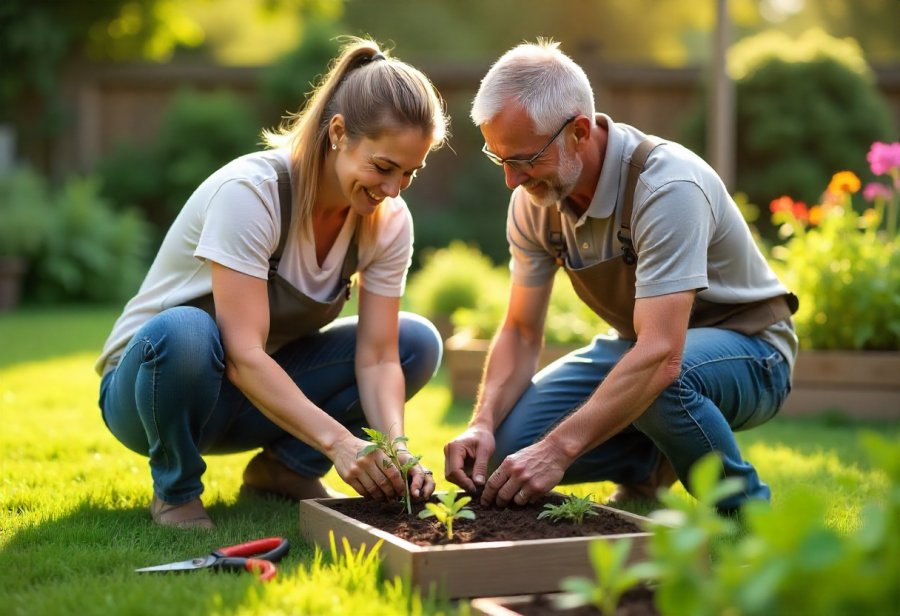
Modern Perspectives: How Shared Gardening Boosts Mental Health and Relationships
Today, experts increasingly see shared gardening not just as a relaxing pastime but as a practical tool for mental health and relationship strengthening. Spending time outdoors tending to plants creates a calming environment that encourages mindfulness, helping people step out of their busy minds and focus on the present moment. This sense of focused attention reduces stress and cultivates a peaceful mental space, making it easier to connect with others on a deeper level.
Research supports the idea that gardening can lower cortisol levels and improve mood. When couples or friends work together to plant, nurture, and harvest, they experience a shared purpose that enhances their bond. Achieving collective goals, like growing vegetables or blooming flowers, offers a sense of accomplishment and mutual pride. Many community programs now incorporate gardening as a way to foster social inclusion and emotional well-being, recognizing its power to bring people closer.
The concept of gardening as outdoor therapy has gained solid footing among mental health professionals. It’s seen as an accessible, low-pressure activity that naturally promotes open communication and trust. When people work side-by-side—watering, pruning, planting—they develop patience and reliance on each other, qualities that strengthen relationships. These shared physical efforts often lead to honest conversations and genuine connection, even among those who might find it hard to open up elsewhere.
However, some critics note that gardening isn’t a cure-all. While it offers significant emotional benefits, it should complement other treatments rather than replace professional therapy or medication for serious mental health issues. The degree of benefit varies depending on individual preferences, physical abilities, and environmental factors. Still, many agree that, when part of a broader approach, gardening provides a gentle, effective way to nurture emotional resilience and social bonds.
Media portrayals continue to shape positive perceptions of gardening’s role in well-being. TV shows, social media stories, and documentaries highlight how tending plants can bring peace and foster connection. These narratives emphasize gardening as a restorative activity that can help manage stress and emotional setbacks, making it seem accessible and appealing to a broad audience. This visibility encourages more people to explore the mental health benefits of shared outdoor work.
Across cultures, the idea of shared gardening as a form of emotional support remains strong. From community rice paddies in Asia to urban gardens in Western cities, this activity acts as a universal bridge, connecting people through a common purpose. It’s a quiet, enduring way to foster social bonds, cultural continuity, and resilience. As awareness grows, more recognize gardening not just as a hobby but as a pathway to emotional healing and human connection in our increasingly digital world.
In essence, current perspectives highlight gardening as a simple yet powerful way to promote mental health and deepen relationships. It offers a natural setting for mindfulness, patience, and honest communication, making it an effective tool for emotional growth. Whether in a backyard, balcony, or community lot, shared gardening routines create opportunities for connection that can last a lifetime. This gentle, ongoing act of caring for plants mirrors the nurturing needed to sustain human bonds, reminding us of the healing power of nature when shared with others.
Practicing Connection: Practical Steps to Grow Bonds Through Gardening
Starting small makes shared gardening approachable and enjoyable, especially for those new to it. Opt for simple projects like planting herbs in pots or creating a small vegetable patch—tasks that are straightforward and give everyone a clear role. When each person has a specific task, whether preparing the soil, planting seeds, or watering, it encourages teamwork and keeps the focus on collaboration rather than perfection. These manageable steps quickly build confidence and make the activity feel rewarding rather than overwhelming.
Choosing easy-to-grow plants like lettuce, radishes, or basil can boost motivation. They thrive with minimal fuss and provide quick results, giving everyone a sense of accomplishment. Setting shared goals—like watching the first sprouts or harvesting fresh produce—adds purpose and excitement to the process. Establishing routines, such as watering on weekends or checking the garden together each week, creates regular opportunities for connection and conversation, turning gardening into a bonding ritual integrated into daily life.
Creating a relaxed environment is key. Emphasize enjoying the process rather than stressing over perfect results. Celebrate small wins, like a healthy sprout or a blooming flower, and view setbacks as part of learning. This mindset fosters patience and openness, making it easier for everyone to share their thoughts and feelings. Remember, the goal isn’t just growing plants but nurturing relationships through shared effort and gentle patience.
Real-life examples demonstrate how simple acts can deepen bonds. A couple might start with planting tomatoes, spending weekends digging, watering, and watching their plants flourish. Over time, these shared efforts cultivate patience and open dialogue. Friends managing stress may create a flower bed together, finding calm and companionship in tending their garden side-by-side. Even a windowsill herb garden with a child transforms daily nurturing into a meaningful connection. These small, manageable projects prove that gardening doesn’t need to be complicated to be impactful.
Stay mindful of potential pitfalls to keep the experience positive. Taking on too much at once or ignoring individual preferences can lead to frustration. Rushing tasks or setting unrealistic expectations might dampen enthusiasm. Instead, remain flexible and attentive to each person’s comfort, ensuring everyone’s contributions are valued. Using helpful resources like beginner guides, planting checklists, or local workshops can make the process smoother and more enjoyable. When patience, fun, and teamwork stay at the core, gardening becomes a rewarding activity that strengthens bonds and nurtures growth—both of plants and relationships.
Ultimately, the key is to focus on shared effort and joy. Keep activities simple, celebrate progress, and stay flexible. Whether tending a small herb pot or a vegetable patch, these routines foster opportunities for connection and conversation. As you nurture plants together, you also cultivate patience, trust, and mutual care—building a foundation for deeper bonds that can flourish long after the last seed is planted.
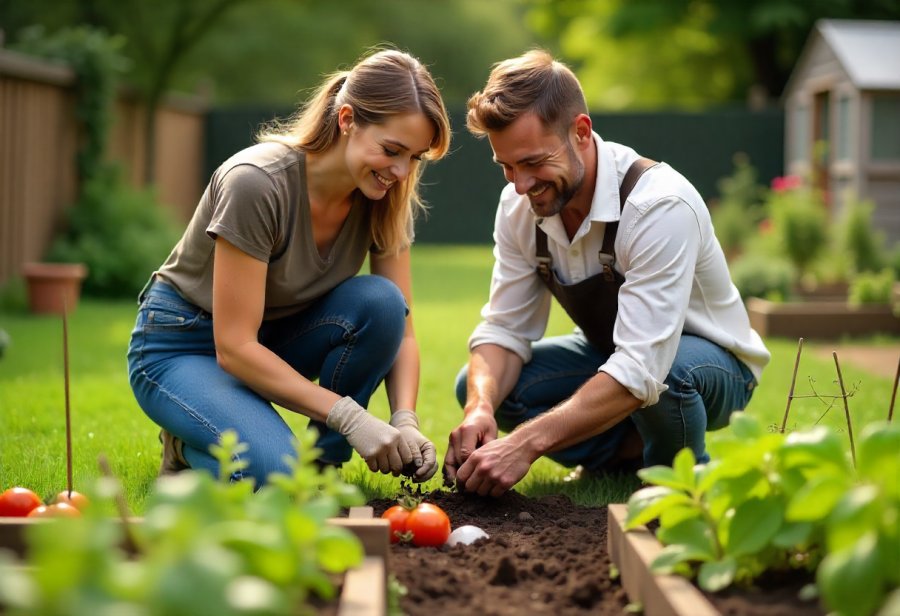
Embrace Growth: Cultivating Stronger Bonds and Emotional Resilience Through Gardening
Sharing gardening as a way to build stronger bonds and support emotional well-being goes beyond just a pleasant activity—it’s backed by real benefits. When people work outdoors together, tending to plants and nurturing life, many find themselves feeling calmer, happier, and more connected. It’s not simply about getting hands dirty; it’s about creating space for patience, teamwork, and honest communication. These shared moments, built through collective effort, help deepen trust and understanding, making relationships more resilient over time.
Gardening offers a gentle form of therapy that easily fits into daily life. It encourages us to slow down and focus on the present, which can significantly reduce stress and anxiety. For couples and friends, planting and caring for a garden becomes more than just a task—it turns into a shared achievement that fosters pride and mutual care. Watching plants grow and flourish through teamwork provides a visual reminder that progress takes time and effort, reinforcing the bonds we nurture along the way.
The beauty of gardening lies in its accessibility. You don’t need a sprawling yard or advanced skills—simple projects like a windowsill herb garden or a small vegetable patch can become meaningful rituals. The key is to choose manageable tasks and set shared goals, like waiting for the first sprouts or harvesting fresh herbs. Routine activities—watering, weeding, or pruning—offer regular opportunities for connection and conversation, weaving bonding moments into everyday life.
Gardening naturally cultivates mindfulness and patience. As you tend to plants, focusing on their growth and health, worries often fade into the background. This calm, attentive state opens the door for honest, open dialogue. Caring for life together reminds us that growth, whether personal or relational, requires time and gentle effort. Patience becomes a vital ingredient, helping relationships deepen gradually but surely.
Gardening isn’t a cure-all, but it’s a powerful complement to other forms of emotional support. It’s a simple, affordable activity that encourages connection and resilience—especially vital in today’s digital age where face-to-face interactions can be limited. Sharing this activity can spark conversations that might otherwise be difficult, bridging gaps and fostering understanding in a natural way.
Making gardening a regular part of your routine can lead to lasting benefits. Even dedicating a few minutes each week to tending your shared space creates a rhythm of connection and purpose. Over time, these small routines build a foundation of trust and patience, helping relationships flourish and emotional resilience strengthen. It’s about creating a space where caring and consistency become habits, nurturing both plants and bonds alike.
The act of caring for a garden together also reminds us of the importance of nurturing what matters most—our relationships. Every seed planted and every weed pulled is a small step toward greater trust and mutual support. As the garden grows, so does our capacity for patience, empathy, and connection. These are the true harvests of shared effort—lasting, meaningful, and deeply nourishing.
If you’re inspired to start, keep it simple and enjoy the process. Focus on the joy of shared effort and the small victories along the way. Remember, it’s not about perfection but about connection, patience, and care. With consistency and an open heart, gardening can become a meaningful pathway to stronger bonds and a more emotionally resilient you. Let the act of tending your garden be a gentle reminder that growth—whether in plants or in relationships—takes time, patience, and love.