Underground street racing is more than a pursuit of speed; it’s a vibrant subculture rooted in adrenaline, loyalty, and resilience. Beneath city lights and neon glows, racers forge bonds that transcend rivalry—creating a brotherhood defined by shared risks, craftsmanship, and defiance. This clandestine world, born from urban rebellion and innovation, transforms streets into high-stakes arenas of skill and identity. Despite legal threats, racers adapt with technological savvy, secret meetups, and a fierce sense of community. Their passion fuels local economies, inspires careers, and shapes neighborhoods—yet also stirs tension and conflict. What drives this relentless pursuit of speed and brotherhood? How does this dangerous culture reinforce urban resilience and personal belonging? As the scene evolves, one thing is clear: in these shadows, loyalty and resilience run deep, proving that even in secrecy and peril, the bonds forged on the asphalt are unbreakable.
Brotherhood and Culture Ignite the Night Streets
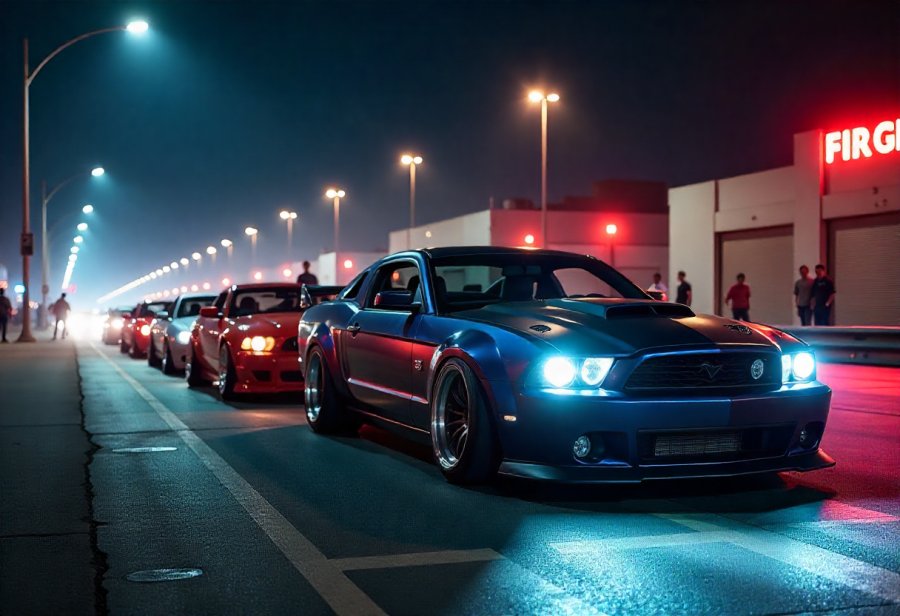
Underground street racing isn’t just about hitting top speeds; it’s a vibrant subculture fueled by adrenaline, technical skill, and a deep sense of community. As darkness blankets the city, hidden spots come alive with the roar of engines and the flicker of neon lights, creating a scene charged with anticipation and rebellion. These races happen away from the eyes of authorities, built on trust and brotherhood among racers who share a passion for speed and defiance. It’s more than just a competition—it’s a lifestyle rooted in loyalty, respect, and the thrill of pushing boundaries together.
The streets transform into an electric playground, illuminated by street lamps and city glow, where sleek, modified cars line up at the start. Drivers, diverse yet united by their love for the craft, stand ready, engines revving in unison. These moments forge bonds far stronger than mere rivalry; they create a sense of family built on shared experiences, late-night tuning sessions, and mutual protection in dangerous situations. Every custom paint job, tinted window, and polished chrome reflects their personalities and pride, turning each race into a visual statement of loyalty and identity.
Loyalty is the heartbeat of underground racing. Racers depend on each other not just for support during a race but for lifelong trust. Crews become like families, built through countless hours of tuning, exchanging secrets, and standing together against risks and authorities. These relationships deepen with each shared victory, setback, and late-night conversation. The brotherhood forged in these high-stakes moments transcends asphalt, shaping a resilient community that finds purpose and belonging amid urban chaos.
Despite the risks and legal hurdles, the scene continues to thrive. Modern technology—encrypted messaging, online groups, and hidden meeting spots—keeps racers connected and adaptable. They blend traditional modifications with high-tech upgrades, always pushing limits while maintaining their core values of loyalty and resilience. For many, underground racing is more than just speed; it’s a declaration of independence, a way to carve out space and identity in a city that never stops moving.
Night racing sessions are rituals that solidify these bonds. Crews gather to prepare cars, exchange last-minute advice, and share silent signals before launching into the chaos of the race. Afterward, the adrenaline-fueled rush often turns into laughter and stories, reinforcing a sense of family that lasts long after the engines cool. In this underground world, brotherhood runs deep, and the pursuit of speed becomes a powerful expression of connection and resilience that defines the culture at its core.
Origins of Defiance: Tracing the Roots of Underground Racing
Underground street racing didn’t just pop up overnight; its roots stretch back decades, emerging from urban neighborhoods where traditional racetracks were scarce or nonexistent. Enthusiasts started organizing unofficial races in parking lots, alleyways, and quiet city streets, driven by a desire to test their skills beyond the limits of sanctioned motorsport. These early gatherings were spontaneous and fueled by a mix of rebellion, adrenaline, and a need to challenge authority’s restrictions. Over time, what began as casual meetups evolved into more organized, yet still illegal, events that fostered a distinct subculture rooted in innovation and resilience.
As the scene grew, it became a way for young people to express their individuality through car modifications. Custom paint jobs, body kits, turbocharged engines, and electronic tuning became symbols of pride and identity. These personalized touches transformed cars into moving artworks—extensions of their owners’ personalities—while also marking their place within the underground community. The culture of technical skill and creativity became intertwined with urban storytelling, giving each vehicle a narrative of defiance and achievement.
The popularity of street racing surged through the 1970s and 80s, a period when modifications became more sophisticated and accessible. Car culture was flourishing among city youth, and street racing stood as a rebellious act of independence. Despite the inherent dangers and legal risks, racers pushed boundaries, turning neighborhoods into makeshift racetracks that challenged city authorities and law enforcement. This act of defiance reinforced the underground scene’s identity, shaping it into a symbol of resilience and resistance.
Beyond rebellion, street racing became a means for communities to carve out space and showcase ingenuity. In neighborhoods with limited resources, building and customizing cars provided a sense of achievement and pride. The secrecy and danger only deepened its appeal, turning vehicles into tools of self-assertion and urban storytelling. Each modified car told a story of creativity, resilience, and belonging—testaments to the community’s ability to adapt and thrive amid adversity.
Today, underground racing continues to evolve, blending traditional practices with cutting-edge technology. Digital platforms and social media facilitate organization, sharing tips, and connecting racers across regions. Despite the increasing scrutiny from authorities, the core values of loyalty and brotherhood remain unchanged. Racers adapt swiftly—changing locations, employing encrypted communication—to keep their culture alive. This resilience underscores the scene’s enduring importance as a space of expression, community, and defiance.
The ongoing evolution highlights that underground street racing is more than just a pursuit of speed; it’s a reflection of urban resilience and personal identity. It remains a powerful symbol of creativity and brotherhood, rooted in history but constantly adapting to new challenges. For many, it’s a way to carve out space in a city that never stops moving—a testament to the human drive to innovate, belong, and push limits, even in the face of obstacles.
Resilience on the Asphalt: The Modern Scene of Underground Speed
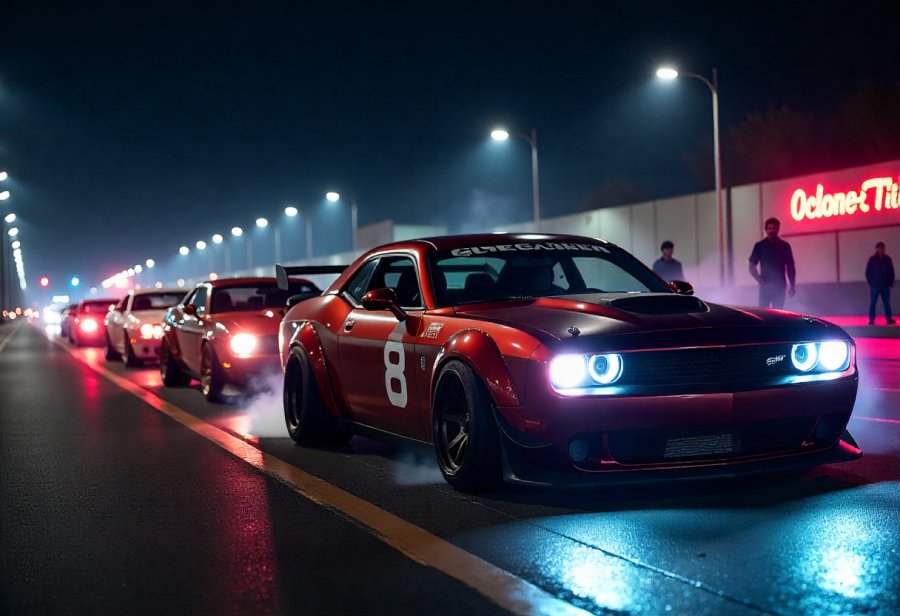
Underground street racing today remains a lively, ever-evolving scene, despite increased attention from law enforcement. Racers often gather in hidden urban spots such as abandoned warehouses, quiet alleyways, or underground parking garages—places chosen carefully to stay out of sight but still accessible for clandestine events. Organizers rely heavily on digital platforms like encrypted messaging and private online groups to coordinate meets without attracting unwanted attention. These tools keep the community connected, allowing new participants to join and veterans to stay one step ahead of authorities.
Modern racers blend traditional modifications with cutting-edge technology. High-performance parts like turbochargers, upgraded suspensions, and electronic engine management systems are common, pushing cars to their limits. Safety is gaining importance, with many crews installing roll cages, racing harnesses, and fire-resistant gear to protect participants during unpredictable, unofficial races. The shared adrenaline and collective preparation turn each race into a ritual—cars are tuned, strategies shared, and silent signals exchanged before the engines ignite.
Trust and mutual support are the backbone of underground racing. Racers depend on each other’s skills—from tuning engines to navigating routes—and often form tight-knit crews that resemble family units. These relationships deepen through late-night work sessions, secret exchanges, and shared victories, creating a loyalty that extends well beyond the asphalt. Even in the face of police crackdowns and legal threats, this sense of brotherhood keeps the scene resilient and committed.
Night races serve as more than just speed tests—they are bonding experiences. Crews gather to check their cars, exchange last-minute advice, and reinforce camaraderie before launching into the chaos of the race. The roar of engines, the flicker of lights, and the collective heartbeat of the scene heighten the sense of shared purpose. After the adrenaline fades, quiet conversations and laughter often continue, cementing the bonds forged in these fleeting moments of speed and risk.
Despite the dangers and ongoing legal challenges, underground racing continues to adapt with resilience. Locations shift, and organizers utilize encrypted channels to stay connected. The scene’s evolution incorporates high-tech upgrades while holding onto its core values of loyalty and brotherhood. Many participants turn their skills into legitimate careers or community initiatives, such as working as mechanics or hosting legal car shows, helping to reshape perceptions and foster positive growth.
Ultimately, underground street racing remains a powerful expression of urban resilience and community. It’s a space where loyalty, trust, and shared passion thrive amid adversity. For those involved, it’s more than just a pursuit of speed—it’s a vital part of identity and belonging, proving that even in secrecy and danger, the bonds forged are stronger than ever.
Investing in Velocity: The True Cost of Customizing and Competing
Modifying cars for underground street racing is a costly endeavor that often requires a significant financial commitment. Racers invest in performance upgrades like turbochargers, exhaust systems, suspension enhancements, and electronic tuning to maximize speed and handling. These parts can range from a few hundred dollars for basic improvements to several thousand for high-end components. For many, these modifications are more than just performance boosts—they’re a way to express personality and pride within the scene. Every upgrade adds a layer of individuality, turning a car into a reflection of its owner’s style and skill.
Safety gear also commands a large portion of the budget. Racers often install roll cages, racing harnesses, and fire-resistant suits to protect themselves during high-stakes runs. While essential, these upgrades are not cheap, often costing hundreds or even thousands of dollars depending on quality and specifications. Many participants see safety equipment as a necessary part of participating in a dangerous, adrenaline-fueled culture, where bravery and preparation go hand in hand.
Beyond initial upgrades, maintaining a racing-ready vehicle incurs ongoing expenses. Frequent tuning, repairs, and replacements become routine as parts wear from aggressive street use. This continuous upkeep can strain tight budgets, especially for those who race regularly. To manage costs, crews often share parts, tools, and expertise, fostering a sense of community and mutual support. This camaraderie helps keep participation accessible, encouraging newcomers to learn and grow within the scene without breaking the bank.
For many racers, their investment goes beyond money—it’s about craftsmanship and reputation. Building and fine-tuning a car becomes a shared journey, strengthening bonds within crews and establishing respect among peers. The process of customizing and optimizing a vehicle becomes part of their identity, making each dollar spent a symbol of loyalty and dedication. While some enthusiasts start with affordable modifications, the scene’s culture rewards those willing to push their budgets for the sake of performance and style.
Not everyone needs deep pockets to get involved. Many begin with simple, cost-effective upgrades—like cosmetic changes or basic performance tweaks—that still allow them to participate and connect with others. DIY tuning and maintenance are common, helping newcomers learn skills and reduce expenses. This approach keeps underground racing inclusive, nurturing talent and innovation from a diverse range of backgrounds and budgets.
Some participants manage to turn their passion into sustainable careers or community projects. Skilled mechanics and custom builders find opportunities working on street cars or organizing sanctioned events that emphasize safety and responsibility. These paths help reshape the scene’s image, demonstrating that underground culture can foster positive growth and economic opportunity when balanced with accountability. In this way, the financial commitment becomes not just an expense but an investment in community and personal development.
From Streets to Community: The Impact and Stories of Underground Racing
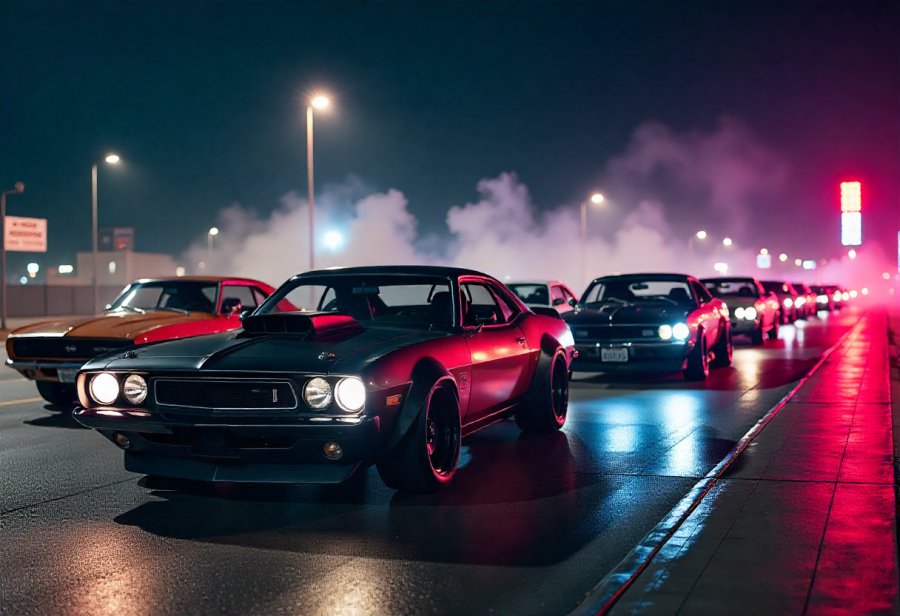
Underground street racing leaves a tangible mark on the neighborhoods where it unfolds, shaping local relationships and perceptions in complex ways. For many racers, those late-night events become a source of pride, turning their streets into symbols of resilience and ingenuity. In some communities, crews and seasoned drivers are regarded as local legends, inspiring younger generations to develop technical skills and pursue careers in automotive repair, customization, or motorsport. These bonds foster a sense of belonging, creating informal support networks that extend far beyond the thrill of the race itself.
At the same time, this culture can generate tension with residents and authorities. The noise from roaring engines and the risk of accidents often lead to complaints and crackdowns, creating a push-and-pull dynamic. Some community members admire the skill, creativity, and resourcefulness behind street racing, viewing it as a form of urban expression. Others see it as disruptive and dangerous, fueling conflicts that threaten the scene’s survival. Despite these challenges, many racers feel a deep connection to their neighborhoods, defending their activities as part of their community’s identity and spirit.
There are stories of racers who’ve successfully transformed their skills into legitimate careers or community initiatives. Some become skilled mechanics, opening local garages that serve their neighborhoods and provide steady employment. Others organize charity rides, legal car shows, or community events that bring people together in safer settings. These efforts help reshape perceptions, showing that underground racing can foster positive growth when channeled responsibly. Such initiatives demonstrate that the culture’s resilience isn’t just about defiance but also about contributing meaningfully to the community’s fabric.
In neighborhoods where street racing is part of daily life, it fosters strong bonds rooted in shared passion and mutual support. Young racers look up to seasoned veterans, learning skills and values that promote teamwork and resilience. Mentorship becomes common, with experienced drivers passing down technical knowledge and life lessons. This environment encourages a sense of pride and purpose, demonstrating that the scene is about more than just high speeds—it’s a vital social fabric that helps individuals navigate challenges and find belonging.
While the risks remain real—reckless driving, accidents, and disputes—they are met with a community’s adaptive resilience. Racers continually shift locations, improve safety measures, and use encrypted channels to stay connected. Their ability to evolve and support one another keeps the scene alive amid legal threats and social skepticism. Ultimately, underground street racing’s impact goes beyond the asphalt, shaping identities, strengthening communities, and proving that even in secrecy and danger, the bonds forged through speed and loyalty run deep, leaving a lasting imprint on urban life.
