Step into the world of the backyard mechanic, where passion, craftsmanship, and secrets intertwine within a cluttered yet soulful garage. This space is more than just a workshop; it’s a sanctuary where patience and resourcefulness breathe new life into vintage machines, revealing stories of resilience and tradition. But what hidden techniques and personal rituals lie beneath the grease and rust? As enthusiasts share triumphs and challenges—restoring everything from rusted muscle cars to forgotten motorcycles—they forge a community rooted in ingenuity and pride. With modern tools blending seamlessly with time-honored methods, the culture of restoration continues to thrive, passing down skills and secrets across generations. This spirited environment not only preserves automotive history but also cultivates resilience, patience, and belonging—raising the question: what mysteries are still hiding behind the grease, waiting for a dedicated hand to uncover them?
Discover the Sanctuary of Passion in the Backyard Garage
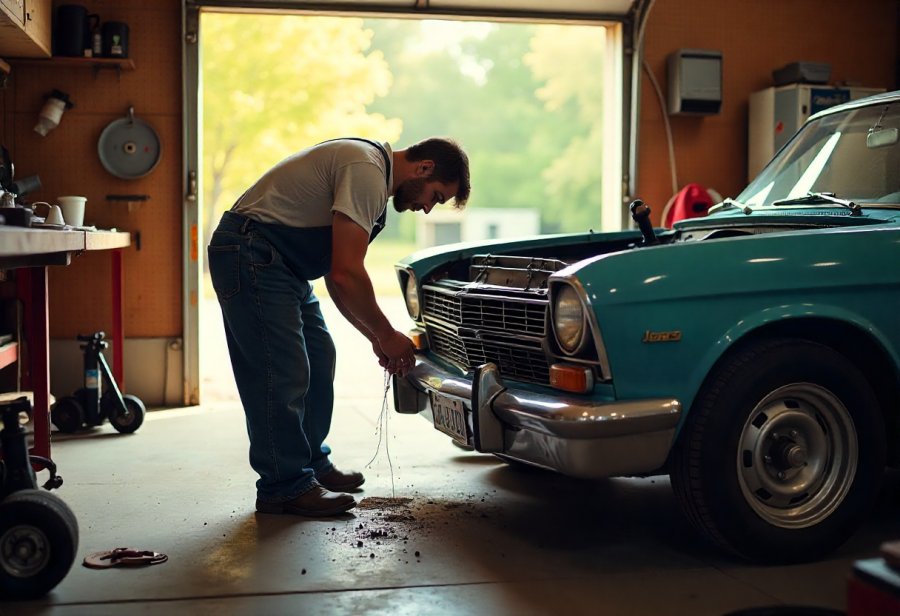
There’s something uniquely satisfying about stepping into a backyard mechanic’s garage. It’s more than just a workspace—it’s a personal sanctuary where passion for machines and craftsmanship come alive. The scent of oil, metal, and old rubber fills the air, while shelves and workbenches cluttered with tools and parts tell stories of projects past and present. This space isn’t merely for fixing vehicles; it’s where patience, skill, and love for restoring vintage machines merge into a quiet, deliberate ritual.
For many backyard mechanics, their garage offers a retreat from the chaos of everyday life. It’s a place to disconnect, focus, and bring a sense of purpose to each day. Whether resurrecting a beloved family car or tuning up a project for a show, the garage reflects their personality and values. It’s an extension of their identity—where memories are made, stories are shared, and skills are passed down through hands-on experience.
Behind these closed doors, a rich culture of tradition and ingenuity thrives. Seasoned enthusiasts often keep secret techniques—special rust-removal hacks or methods for preserving decals—that have been handed down through generations. Sharing knowledge fosters pride and continuity, transforming each project into a story of resilience and craftsmanship. These rituals and secrets elevate mechanics from simple repair work to acts of art and devotion.
The garage isn’t just about fixing cars; it’s about creating something meaningful. Every bolt tightened and every part restored becomes a small victory, fueling a lifelong passion. Working on vintage machines offers a meditative escape, a chance to reconnect with craftsmanship that’s increasingly rare in today’s fast-paced world. It’s here, amid grease stains and tools, that the love for mechanics continues to burn bright.
This sanctuary of passion is more than a workshop—it’s a space where time seems to slow down. It encourages patience, resilience, and meticulous attention to detail. Each project, big or small, carries a piece of the mechanic’s heart and history. In these garages, craftsmanship is preserved, secrets are kept alive, and the spirit of the backyard mechanic endures.
Unveiling the Culture, Tools, and Skills of Restoration
Understanding the culture of backyard machine restoration means getting a clear picture of the tools, skills, and values that shape this hands-on world. Enthusiasts often rely on a mix of vintage and modern equipment—wrenches, screwdrivers, diagnostic devices—that have been collected over years or passed down through families. Mastering these basics, like tuning engines, rebuilding carburetors, or troubleshooting electrical issues, is essential. But just as important is patience—recognizing that quality work takes time and careful attention to detail. For many, restoration is a craft rooted in resourcefulness, respect for the machine’s history, and a willingness to learn through trial and error.
This tradition stretches back to the early days of automobiles, when DIY repair was often a necessity. Back then, vehicle owners learned to fix their own cars because professional services were scarce or costly. Over time, that independence grew stronger, especially in rural and suburban areas, where a home garage became a personal workshop. As vehicles grew more complex, so did the skills needed to maintain and restore them. Today’s backyard mechanics blend traditional craftsmanship with modern techniques, keeping alive a vital piece of automotive history passed down through generations.
Restoring vintage vehicles is both an art and a science. The core toolkit includes basic wrenches, screwdrivers, pullers, and sometimes specialized tools like torque wrenches or wire brushes. Techniques such as bead blasting rust, precision machining, and polishing help bring old metal back to life. Diagnosing issues involves visual inspection and listening to engine sounds, then applying patience to repair or replace parts without losing authenticity. Each project becomes a unique challenge, combining skill, creativity, and a deep respect for the vehicle’s original design.
Approaches vary—some enthusiasts aim for authenticity, sourcing original parts to restore vehicles as close to their original state as possible. Others lean toward customization, adding modern upgrades or aesthetic touches. Both paths require understanding the options, setting clear goals, and respecting the vehicle’s history while making practical or creative modifications. Safety remains central, with experienced restorers emphasizing protective gear, proper ventilation, and organized workspaces. These practices aren’t just about safety—they’re about preserving the integrity of both the machine and the craft.
Resourcefulness is a cornerstone of this culture. Many backyard restorers refurbish used parts, repair instead of replace, and share resources within communities. Online forums, swap meets, and local clubs become treasure troves of advice and affordable parts, making restoration accessible and sustainable. This collaborative spirit fosters camaraderie and pride, passing down knowledge and ensuring the tradition continues. It’s a cycle of ingenuity, patience, and respect for history that keeps the craft alive.
All of these elements highlight that backyard restoration isn’t just about fixing machines; it’s about passing down skills, stories, and values. It’s a craft built on patience, resilience, and resourcefulness—values that extend far beyond the garage. Each project, no matter how small, contributes to a larger story of dedication and love for vintage machines, helping keep the spirit of the backyard mechanic vibrant for generations to come.
The Vibrant Present: Community, Innovation, and Passion
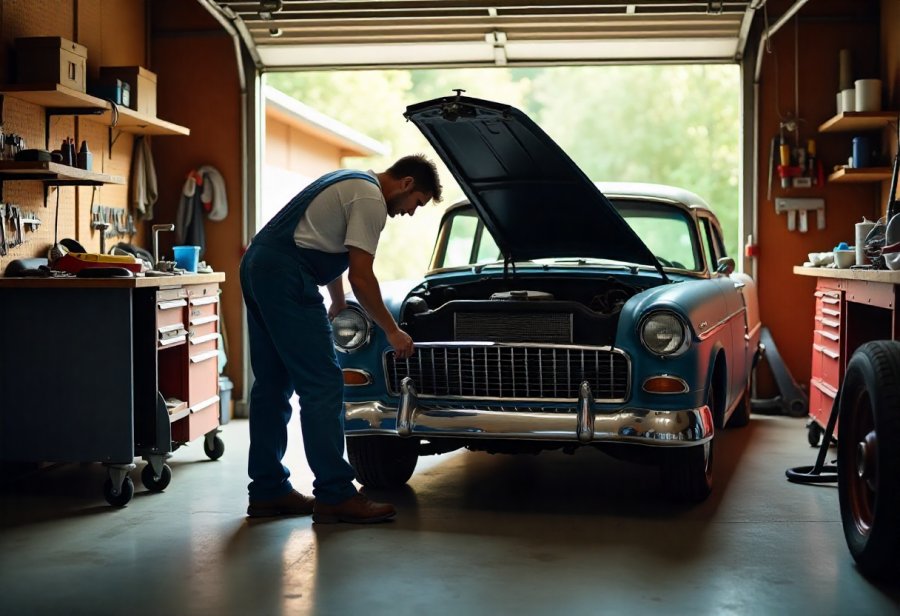
Today, the world of backyard mechanical restoration is more vibrant than ever. Enthusiasts across the country are bringing vintage cars and engines back to life, sharing their progress through online forums, social media groups, and local clubs. These spaces foster a sense of community, where advice, tips, and stories of success flow freely, inspiring others to pick up the wrench and start their own projects. Modern tools and resources have lowered many barriers, making restoration accessible to more people without sacrificing the challenge that keeps seasoned mechanics engaged.
Garages now often blend old and new equipment seamlessly. Classic wrenches and screwdrivers sit alongside cordless drills, digital diagnostic tools, and portable lighting. The environment may be cluttered, but it’s highly functional, with parts and notes scattered across workbenches. Natural light and open doors create a relaxed, inviting atmosphere that emphasizes resourcefulness over perfection. These spaces are lively hubs of passion, where each project carries personal meaning and the collective love for restoration is palpable.
Stories of transformation are everywhere. One mechanic might be painstakingly restoring a rusted muscle car, sourcing parts from junkyards and meticulously rebuilding every detail. Another could be reviving a vintage motorcycle that’s been untouched for decades, carefully sourcing original parts and restoring it to show-ready condition. These projects aren’t just about fixing old vehicles—they’re personal victories, symbols of resilience and craftsmanship that inspire others to pursue their own restorations.
The community also fiercely guards special techniques and secrets. Many seasoned restorers have favorite rust-removal hacks or methods for preserving original decals that they pass down informally. Tales of rare parts tucked away in dusty corners or clever hacks that save time and money are common. These hidden gems reveal a culture rooted in ingenuity, patience, and respect for the history embedded in each machine.
Despite the presence of professional restorers, the backyard community remains fiercely independent. The pride in doing things yourself runs deep, with a belief that hands-on work fosters a stronger connection to these machines and their stories. Online forums, clubs, and social media groups create a support network that spreads knowledge and keeps traditions alive across generations. This shared passion fuels ongoing learning and keeps the spirit of the backyard mechanic vibrant.
Safety remains central to this culture. Experienced restorers emphasize protective gear, organized workspaces, and responsible handling of chemicals and tools. These practices aren’t just about safety—they’re about preserving the integrity of both the vintage machines and the community’s values. This collective commitment ensures that the love for restoration continues sustainably, allowing the tradition to thrive for years to come.
Balancing Cost, Craftsmanship, and Budget in Restoration Projects
Restoring vintage machines and creating a dedicated garage sanctuary can add up quickly, but the total cost depends heavily on the scope of each project. Simple repairs, like replacing worn parts or performing routine tune-ups, often stay under a few hundred dollars—covering tools, consumables, and replacement components. However, tackling a full-scale restoration of a classic car or rare engine can easily push expenses into the thousands, especially when authentic parts or specialized equipment are needed. High-quality tools such as engine hoists, bead blasters, or precision measuring devices are investments that pay off over multiple projects, making them worthwhile long-term purchases.
Many backyard mechanics stay mindful of their budgets through careful planning and resourcefulness. Refurbishing used parts, repairing instead of replacing, or fabricating small components themselves are common strategies that help keep costs manageable. Sourcing parts from online marketplaces, swap meets, or local junkyards often results in significant savings, allowing enthusiasts to stretch their dollars further while maintaining quality. Sharing tips and resources within online communities or local clubs enhances this effort, fostering a culture of collective savings and support.
While some projects can become costly, many enthusiasts see the expenditure as part of the passion itself. The money invested isn’t merely for parts—it’s about the satisfaction of reviving a vintage machine and the craftsmanship involved. Restored vehicles can even appreciate in value over time, making careful budgeting a smart move that combines passion with potential investment. Knowing what to expect financially helps keep the process enjoyable and prevents surprises that could halt progress.
The level of investment varies based on goals. A show-quality restoration might require sourcing rare parts or employing professionals, which raises costs. Conversely, many backyard restorers find joy in creative cost-saving hacks—restoring used components, fabricating small parts, or trading services with fellow enthusiasts. This resourcefulness is at the heart of the culture and ensures that restoration remains accessible and sustainable for hobbyists of all budgets.
Safety and quality are also key factors influencing spending. Investing in proper protective gear—gloves, goggles, masks—and maintaining an organized, well-ventilated workspace may seem like extra expenses but are essential for preserving both the machine’s integrity and the mechanic’s well-being. These investments help prevent accidents or costly mistakes that could derail a project, ensuring that passion continues safely over time.
Unexpected costs can sneak in, whether from shipping fees, import duties, or specialized lubricants and chemicals. Experienced restorers track their expenses carefully, prioritizing critical parts and high-quality work to stay within budget. Often, patience and strategic choices—focusing on essential repairs and sourcing affordable alternatives—turn what could be an overwhelming expense into a rewarding journey of revival. Balancing passion and practicality makes vintage restoration not just feasible but deeply fulfilling.
Transformative Passion: How Garage Work Shapes Daily Life and Inspires Success
For many backyard mechanics, their garage isn’t just a workshop—it’s a space that shapes their daily lives in subtle but meaningful ways. Weekends often revolve around projects that offer purpose and a sense of achievement, providing a welcome break from digital routines. Restoring a vintage car or motorcycle becomes more than a hobby; it’s a ritual that cultivates patience, problem-solving skills, and resilience. Sharing progress with friends or online communities turns these tasks into stories of perseverance and craftsmanship that inspire others to start their own journeys.
Stories of successful restorations highlight how passion transforms old machines into symbols of resilience. One enthusiast spent months bringing a battered 1960s muscle car back to life, sourcing parts from junkyards and meticulously rebuilding every detail. When it roared again, it was more than just a vehicle—it was a testament to dedication and love for the craft. Similarly, a vintage motorcycle that had sat untouched for decades was revived into a show-stopping piece, admired at local events and sparking pride in its owner. These victories become personal milestones, proof that patience and effort turn relics into treasures.
Beyond technical skills, working on these projects teaches patience, adaptability, and resourcefulness. Facing setbacks like rusted parts or missing pieces becomes a natural part of the process. Each small victory, such as fitting a new piston or polishing a headlight, builds confidence and deepens the connection to the craft. Over time, these projects shape routines, instilling a sense of purpose and reinforcing a love for craftsmanship that extends beyond the garage walls. The act of restoring fuels a sense of pride that lasts long after the last bolt is tightened.
Community involvement amplifies this passion. Sharing tips, advice, and success stories online or at local clubs creates a sense of belonging, fostering a culture of ingenuity. Experienced restorers often pass down secret techniques—like rust-removal hacks or decal preservation methods—that add a layer of tradition. These shared knowledge exchanges keep the spirit alive, inspiring newcomers and strengthening bonds within the community. The garage becomes a hub of collective pride and continuous learning.
Ultimately, the impact of this passion reaches far beyond the workbench. It shapes character, teaches resilience, and fosters a sense of belonging. Each restored machine tells a story of perseverance and love for craftsmanship—stories that inspire others to pursue their own projects. These garages, filled with grease, tools, and memories, remain vital spaces where tradition, skill, and passion collide, keeping the spirit of the backyard mechanic alive for generations to come.
The Lasting Legacy: Secrets, Traditions, and the Spirit of the Backyard Mechanic
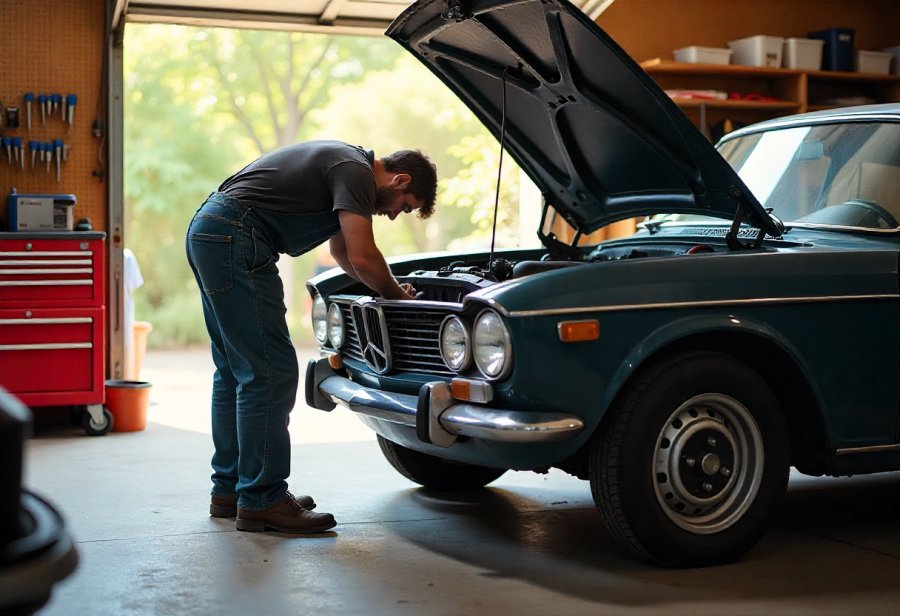
The garage of the backyard mechanic is more than just a space filled with tools and parts—it’s a sanctuary of passion and craftsmanship. Within these walls, secrets are kept, traditions are passed down, and a love for restoring vintage machines continues to thrive. Every rust remover, every carefully preserved decal, and every secret technique adds to a culture rooted in patience, resourcefulness, and deep respect for history.
This environment reflects the owner’s personality and values, transforming a simple collection of tools into a legacy. Each bolt tightened and each part restored carries a story—of resilience, family, or a lifelong obsession—that fuels the passion to keep these machines alive. The slow, deliberate process of restoration allows craftsmanship to take center stage, making the garage a space where time seems to stand still.
Beneath the grease and grit lies a community built on shared knowledge and mutual pride. Enthusiasts pass down techniques, swap parts, and celebrate each other’s progress, ensuring that the spirit of the backyard mechanic remains vibrant across generations. These traditions foster a sense of belonging and inspire newcomers, keeping the culture alive with every project undertaken.
The magic of these garages extends beyond technical skill. They are places where patience and resilience are cultivated, and where each challenge—whether rusted metal or missing pieces—is met with ingenuity. The quiet rituals of restoration become lessons in perseverance, turning old machines into symbols of love and dedication.
Behind every restored engine or vintage vehicle is a story worth telling—one of love, effort, and the joy of craftsmanship. These stories ripple outward, inspiring others to pursue their own passions and preserve the traditions that keep this craft alive. The garage, with its secrets and rituals, remains a vital space where the spirit of the backyard mechanic is kept burning bright, generation after generation.