Imagine transforming your deepest fears into newfound confidence through the essential skill of swimming—at any age. How does one take that crucial first step into the water when anxiety looms large? This inspiring guide explores not just the mechanics of swimming but the profound emotional journey from apprehension to empowerment. It traces the rich history of water safety, showcasing how modern innovations and inclusive teaching methods are making water skills accessible worldwide. Whether you’re an adult overcoming childhood fears or seeking to enhance safety and recreation, this content reveals how small, supportive steps can unlock a lifetime of enjoyment and security. As technology advances with virtual reality and smart safety devices, the future promises even greater accessibility, inclusivity, and confidence-building tools. So, what if the greatest obstacle is simply the courage to dive in? The journey to water freedom begins with that daring first splash.
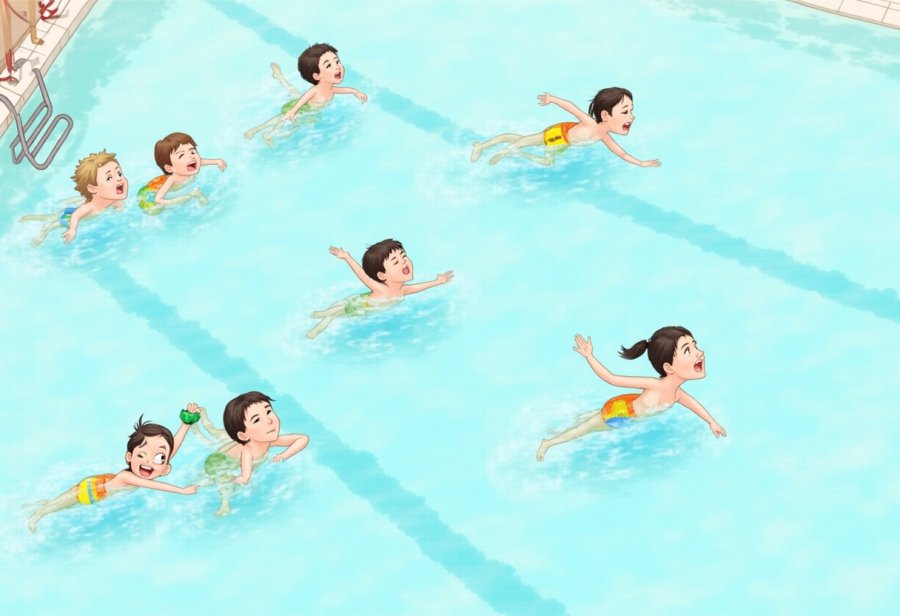
Transform Your Water Relationship: The Empowering Journey of Learning to Swim
Learning to swim is a skill that can transform how you see and experience water. It’s more than just moving your body in water; it’s about building confidence and gaining control that opens up new possibilities for fun, safety, and personal growth. Whether you’re taking your first splash or reconnecting with old skills, the process of learning to swim can be empowering at any age. Many underestimate how much this journey can change their relationship with water, especially when fears are involved. Taking that initial step might seem daunting, but the sense of achievement that comes with feeling comfortable and safe is truly rewarding.
Mastering swimming isn’t solely about perfecting strokes. It’s about cultivating water confidence that lasts a lifetime. As you learn to navigate water with ease, fears—like drowning or splashing—start to fade. This newfound confidence often spills over into other areas of life, making you more adventurous and resilient. Overcoming water-related anxieties becomes a turning point that shifts your mindset from caution to empowerment. Each small success in the water reinforces your trust in your abilities, transforming water from a source of fear into a space of freedom.
Many people still believe that swimming is only for kids or the athletically inclined, but that’s a misconception. It’s never too late to learn this essential skill. Adults who start later often bring patience and clarity that can make the process smoother. The benefits go far beyond safety—they include staying active, enjoying recreational water activities, and boosting overall confidence. Regardless of age, your body and mind are capable of learning new movements and overcoming fears, making water competence accessible to everyone.
Facing water fears can seem overwhelming at first, but it’s a natural part of the learning process. Starting small—like sitting by the pool, dipping toes, or practicing breathing exercises—can make a big difference. Supportive environments, gentle guidance, and patience are your best tools. Remember, fear often stems from the unknown, so education and gradual exposure are key. With consistent practice, what once felt intimidating begins to feel manageable, and your confidence grows alongside your skills.
Embarking on your water confidence journey doesn’t need to be complicated. The first step could be as simple as wearing comfortable swimwear and finding a supportive setting, such as a beginner’s class or a calm pool. Focus on small, achievable goals—like splashing water on your face or floating briefly—and celebrate each one. Using tools like kickboards or floatation devices can help you feel safer while building strength and technique. Every step forward brings you closer to feeling relaxed and confident in water.
Learning to swim isn’t just about mastering techniques; it’s about gaining practical skills that improve safety and everyday life. Knowing how to float, tread water, or swim to safety can be the difference in an emergency, providing peace of mind for you and your loved ones. Beyond safety, swimming opens doors to recreational activities like kayaking or snorkeling, making water a source of fun and connection. Each new skill learned boosts your confidence, turning water from a source of fear into a space of freedom.
The journey from fear to confidence is personal and unique. With patience, support, and practice, anyone can develop water skills that last a lifetime. The process might involve setbacks, but each small victory builds resilience and trust. Remember, every swimmer started somewhere, often with a mixture of nerves and curiosity. Embrace the challenge, celebrate your progress, and look forward to a future where water is a place of joy and safety—no matter your age.
Tracing the Roots: The Rich History and Evolution of Swimming
Swimming has been a vital skill for humans for thousands of years, with its roots stretching back to ancient civilizations. Early societies recognized water’s importance not only for survival and transportation but also for recreation and cultural identity. In ancient Egypt and Greece, swimming was both a practical ability and a form of training for athletes and soldiers. Over time, these basic techniques evolved into structured methods for safety and competitive sport.
The 19th century marked a turning point, transforming swimming from survival skill into an organized sport. The first formal races emerged in England, establishing standardized rules and techniques. During this period, safety became a focus, with the introduction of floatation devices and formal lessons aimed at preventing drownings. These developments helped make swimming more accessible and safer for the general public, laying the groundwork for modern instruction.
Throughout history, pioneering figures played crucial roles in shaping swimming techniques and safety standards. Swimmers like Captain Matthew Webb, who crossed the English Channel in 1875, demonstrated endurance and skill, inspiring others to pursue water proficiency. Coaches and organizations refined training methods, emphasizing technique, stamina, and safety—values still central today.
Culturally, swimming has woven itself into communities worldwide. Coastal societies depend on water skills for daily life, traditions, and festivals. In Japan, communal bathing and swimming symbolize cleanliness and relaxation, while in the Caribbean, water sports are integral to social gatherings. These cultural influences normalize water proficiency as an essential life skill, fostering safe, connected communities.
Advances in technology and teaching methods continue to evolve the landscape of swimming. Modern programs incorporate underwater sensors, virtual coaching, and safety devices that support learners. These tools help visualize progress, correct mistakes early, and build confidence more effectively. As a result, learning to swim becomes more engaging and less intimidating, encouraging more people to develop this lifelong skill.
Despite progress, challenges remain, including disparities in instruction quality and access. Some communities lack resources or face barriers to learning, which can hinder safety and confidence. Addressing these issues is vital to ensuring that everyone can benefit from the safety, recreation, and cultural connections that swimming provides.
Today, swimming is more inclusive and accessible than ever. Technology, cultural shifts, and community initiatives continue to drive progress, making water skills a universal necessity. The ongoing evolution of swimming reflects a global commitment to safety, health, and personal growth—reminding us that it’s never too late to learn, improve, and enjoy the water safely.
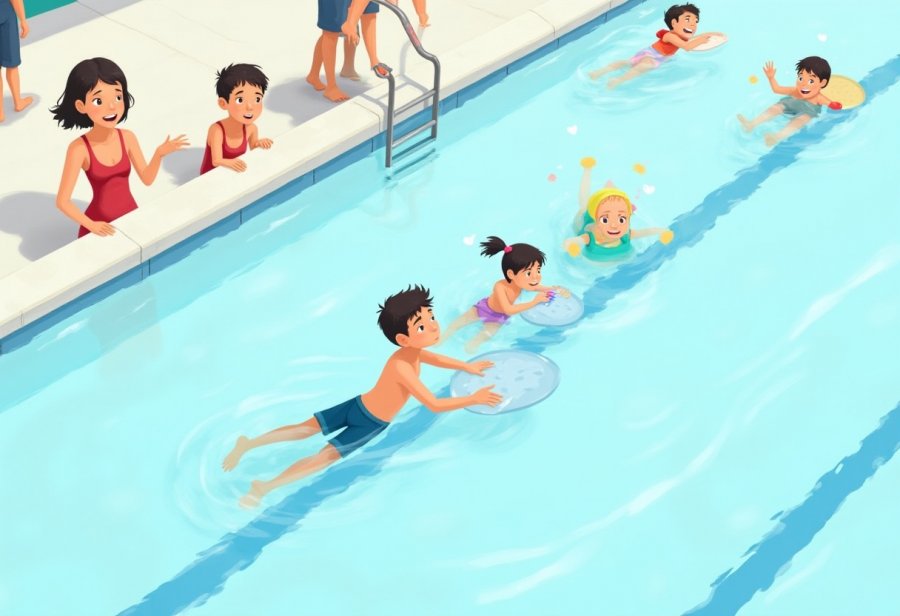
Modern Waves: How Contemporary Practices Make Swimming Accessible and Inclusive
Swimming today is more accessible and welcoming than ever before. Community pools, schools, and private programs have shifted their focus toward beginner-friendly approaches that aim to make learning less intimidating. Emphasizing safety and enjoyment over technical perfection, these classes help break down stereotypes that swimming is only for the young or athletic. As a result, people of all ages are stepping into the water with greater confidence and less fear.
Technological innovations have played a significant role in this transformation. Modern programs often incorporate tools like underwater motion sensors, waterproof cameras, and coaching apps that provide instant feedback. These advancements allow learners to see their progress clearly, correct mistakes early, and stay motivated. Combining technology with supportive instruction makes the learning process more engaging and less daunting, encouraging more people to take that first step.
Attitudes around swimming have also evolved. It’s now widely recognized as a vital life skill that promotes safety, health, and overall well-being. People no longer see water skills as just childhood activities or competitive sports. Instead, learning to swim is viewed as a lifelong journey accessible to everyone, whether for recreation, fitness, or emergency preparedness. This broader perspective motivates adults to start or revisit their water skills, even if they once felt anxious or out of place.
The environment for learning has become more positive and inclusive. Instructors focus on creating supportive atmospheres, understanding that overcoming water anxiety takes time. Group classes foster community, helping learners feel less isolated in their struggles. Many programs are now flexible, adapting schedules and lesson plans to fit different comfort levels and busy lifestyles, making water confidence more attainable.
Inclusivity is a key priority. Programs are increasingly designed to accommodate individuals with disabilities, older adults, and those with health concerns. Adaptive equipment and tailored lessons ensure that everyone can experience the benefits of swimming. This shift aims to eliminate barriers, making water safety and confidence accessible to diverse populations.
Digital platforms have expanded access beyond traditional pools. Instructional videos, online tutorials, and social media communities offer flexible, at-home guidance. Learners can revisit techniques at their own pace, connect with others on similar journeys, and build confidence outside formal classes. This democratization of learning helps dispel fears and misconceptions, making water skills feel more achievable for all.
Despite these advances, challenges remain. Variability in instruction quality can hinder progress, especially in underserved areas. Critics highlight that some programs don’t fully prepare learners for real-world emergencies, pointing to the need for ongoing improvements in safety training. Addressing these gaps is essential to ensure that everyone benefits equally from modern swimming education.
Looking ahead, innovations like virtual reality, augmented reality, and smart safety devices are set to deepen. These tools visualize strokes, provide real-time corrections, and monitor progress, making learning more personalized and effective. As technology advances, the focus stays on making water confidence an achievable goal for everyone, regardless of age or background.
Everyday Lifesavers: Practical Skills and Safety in Learning to Swim
Learning to swim offers practical skills that extend well beyond the pool. Knowing how to float, tread water, or swim to safety can be a real lifesaver during emergencies, giving you the confidence to act calmly and effectively. These abilities aren’t just theoretical—they’re tools you can rely on when it matters most, whether you’re caught in a rip current at the beach or a pool accident. Having water skills means you’re better prepared to protect yourself and others, turning potential panic into control.
Additionally, swimming boosts your ability to enjoy water-based recreation safely. Once confident in the water, activities like kayaking, paddleboarding, or snorkeling become more accessible and enjoyable. These experiences deepen your connection with nature and expand your leisure options, transforming water from a source of anxiety into a space of fun and adventure. For many, swimming opens the door to lifelong hobbies that keep you active and engaged.
For those who once feared water, learning to swim can be transformative. Take Sarah, who spent years avoiding pools out of childhood fears. After gaining basic skills, she now swims regularly and even participates in local open-water events. Her story highlights how water skills can turn anxiety into enjoyment, fostering independence and social connection. It’s a reminder that practical water skills are powerful tools for overcoming fears and broadening your horizons.
Getting started doesn’t require complicated equipment or extensive lessons. Simple practices like breathing exercises, floating, or kicking with a board build a solid foundation. Supportive tools like floatation devices help you feel safer while building strength and technique. Watching instructional videos or joining beginner classes can also boost your confidence, making the process approachable and encouraging steady progress.
Water skills are also crucial for safety in everyday situations. Knowing how to help someone in trouble—whether by performing a safe rescue or offering support—can be life-saving. Basic water safety knowledge, like recognizing drowning signs and responding quickly, empowers you to act decisively. This proactive mindset not only protects others but also enhances your own confidence in water, turning fear into preparedness.
Ultimately, learning to swim equips you with practical, lifelong skills that improve safety and enjoyment. Each new ability gained reinforces your confidence, making water a space of freedom rather than fear. Whether for emergencies, recreation, or personal growth, these skills open up a world of possibilities. With water confidence, you’re not just avoiding danger—you’re embracing water as a safe, fun, and vital part of your life.
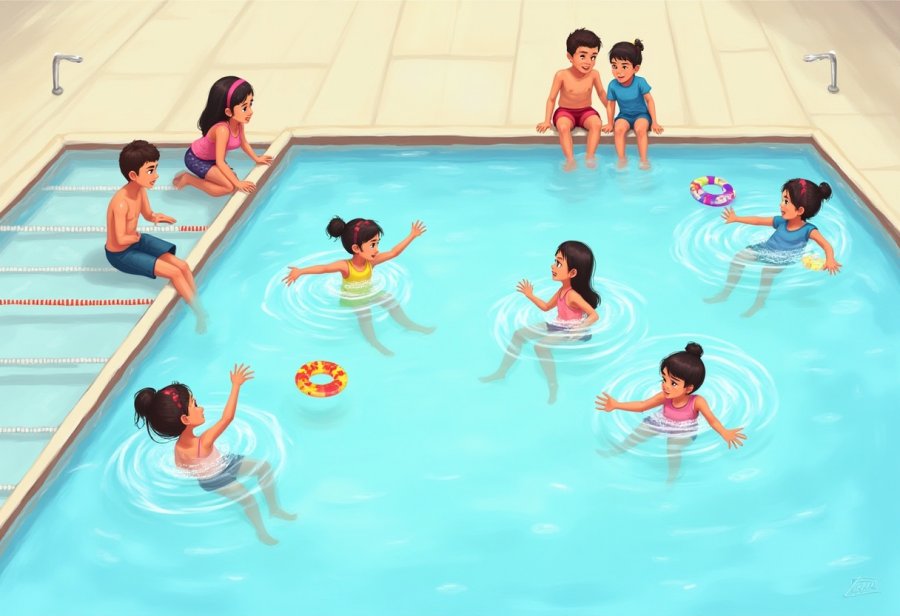
The Horizon Ahead: Emerging Trends and Innovations Shaping the Future of Swimming
The future of swimming is set to be transformed by innovative technology and a stronger focus on making water safety and confidence accessible to everyone. Virtual reality and artificial intelligence are beginning to reshape how people learn and improve their water skills, offering immersive experiences that simulate real water scenarios. These tools provide instant, personalized feedback, helping learners correct technique mistakes early and build confidence more quickly. Wearable devices are also advancing, monitoring vital signs and alerting swimmers to potential risks, making safety more proactive than ever before.
Alongside these technological advances, teaching methods are becoming increasingly flexible and tailored to diverse needs. Programs now emphasize inclusivity, designing adaptive lessons for children, seniors, and people with disabilities. This shift aims to break down barriers, ensuring that water confidence and safety are within reach for all backgrounds. Digital platforms, online tutorials, and virtual coaching are expanding access beyond traditional pools, allowing learners to revisit lessons at their own pace and build skills in comfortable environments.
As global awareness of drowning prevention grows, organizations are deploying innovative solutions like mobile apps with step-by-step guides and social media communities that foster ongoing motivation and support. These resources promote lifelong learning, emphasizing that improving water skills isn’t a one-time achievement but an ongoing journey. This blend of technology and community engagement is creating a more dynamic, inclusive landscape for swimming education.
Expect virtual reality, augmented reality, and smart safety devices to become standard tools in swim training in the coming years. These technologies will help visualize strokes, correct mistakes in real time, and monitor progress consistently, making learning more personalized and effective. Such innovations will especially benefit those who hesitate or feel left behind, accelerating their path to water confidence and safety.
Community initiatives will also play a crucial role in shaping the future of swimming. More programs are focusing on teaching water safety and emergency response skills to vulnerable populations, helping reduce accidents and foster a culture of water awareness. As these efforts expand, swimming will evolve from a childhood skill or sport into a fundamental life skill that everyone can access and benefit from.
Keeping pace with rapid technological and social change means ongoing adaptation and innovation. Combining new tools with a commitment to inclusivity and education will ensure that water confidence becomes a universal standard. The future promises a world where more people, regardless of age or background, can enjoy water safely, confidently, and with a sense of freedom.